Author: Sun WuKong
-

Tellus: The Roman Goddess of Earth Tellus, often referred to as Tellus Mater, is the Italian goddess representing mother earth. She was particularly called upon during earthquakes, which is significant given that her temple in Rome was established in 268 B.C. following a devastating earthquake during wartime. In Roman culture, she was associated with solemn…
-
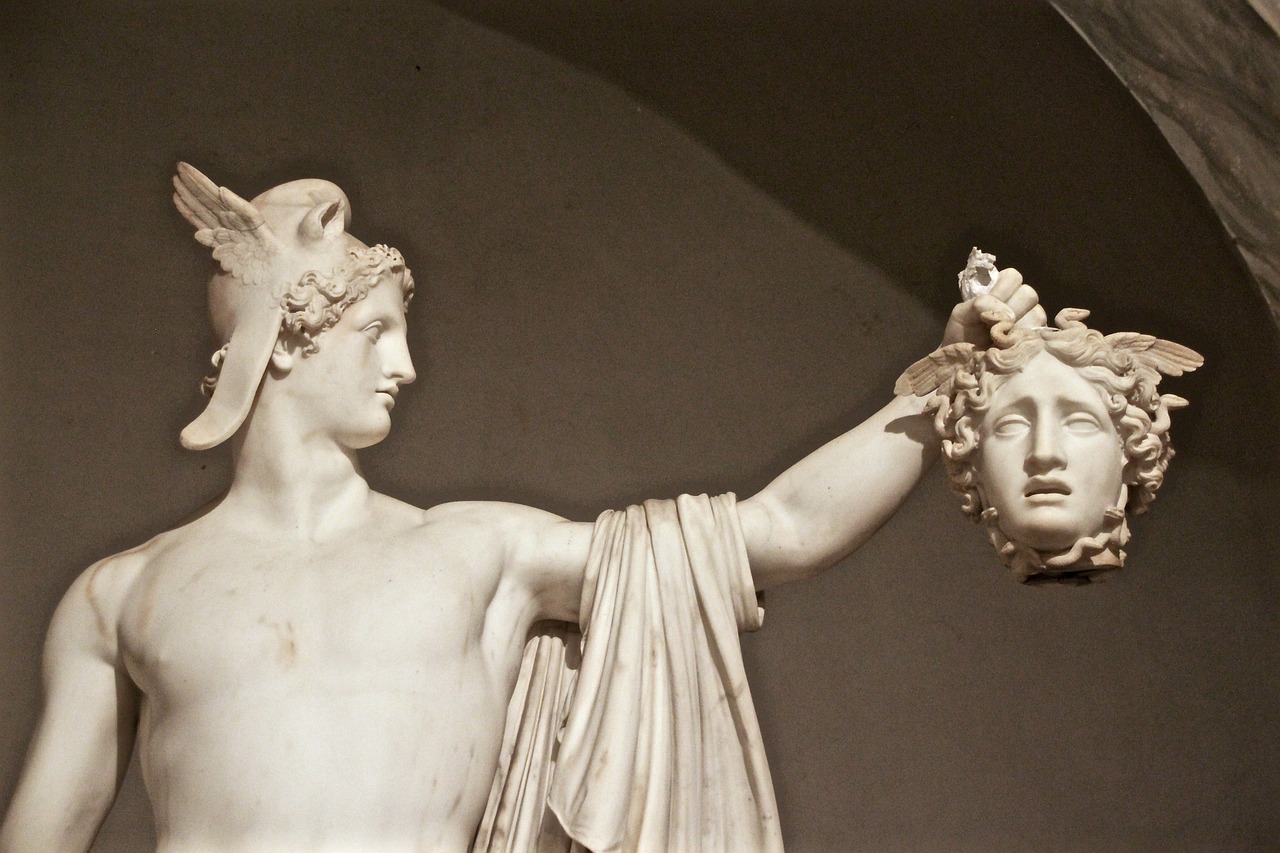
The tale of Perseus, a celebrated figure from Greek mythology, becomes intertwined with the fates of two notable women, Medusa and Andromeda, both of whom are firmly victims of circumstance, yet experience drastically different outcomes. Their stories culminate within a short timeframe, painting Perseus in conflicting shades as he tragically leads to Medusa’s demise while…
-
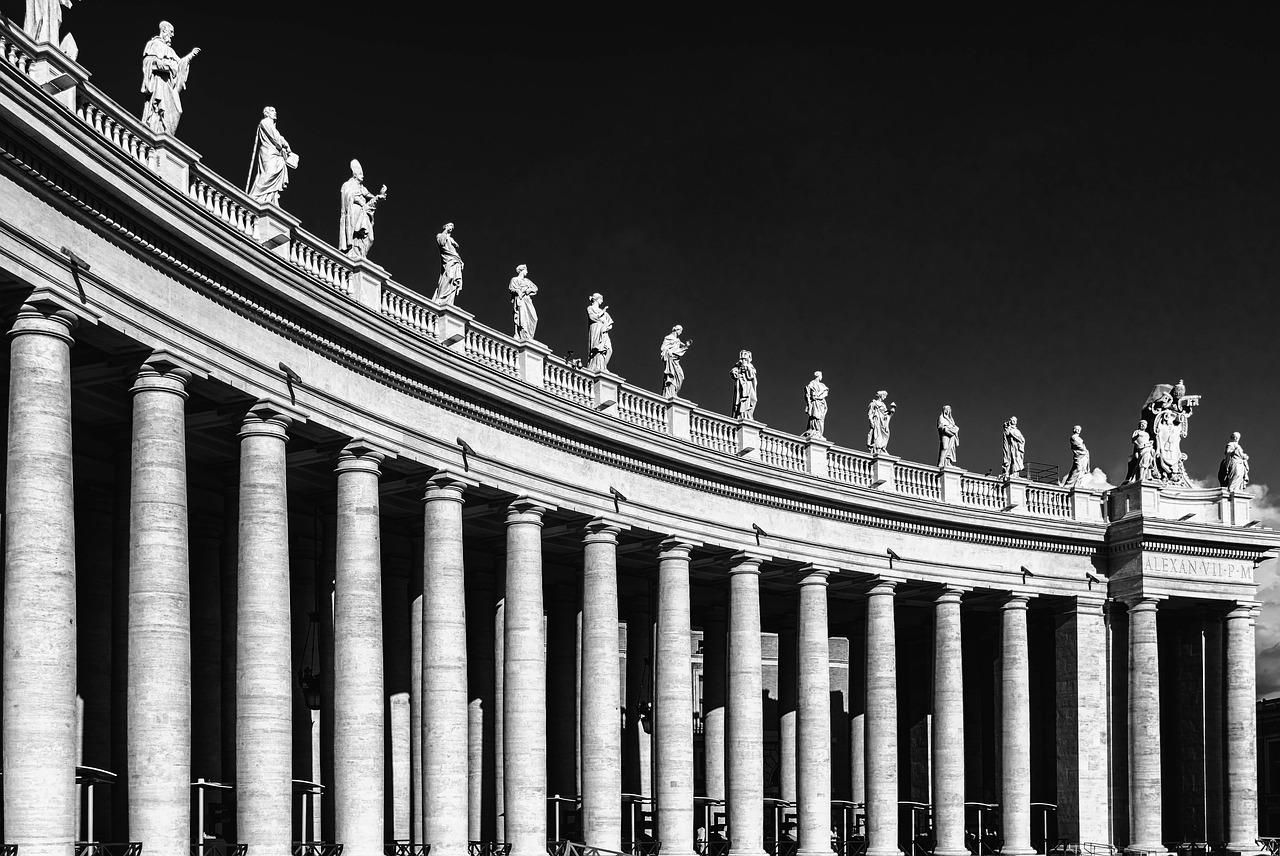
Overview of Roman Religion Roman religion encompasses the beliefs and practices of the people inhabiting the Italian peninsula from ancient times until Christianity’s rise in the 4th century CE, a period termed Classical antiquity. Cicero, a prominent orator and politician, highlighted that Romans perceived their unique wisdom in recognizing that all things are governed by…
-
In my previous discussion regarding the deity Ptah, I focused on his physical appearance and the contexts in which he was historically depicted. Today, the exploration will delve deeper into the significance of Ptah within the ancient Egyptian belief system, emphasizing his pivotal role. Ptah is predominantly recognized as a creator, not just in terms…
-
Nephthys, a prominent deity of ancient Egypt, emerged from the divine lineage of Geb (the earth) and Nut (the sky). As the fourth sibling among the celestial deities—preceded by Osiris, Isis, and Set—Nephthys is also recognized as Horus’s older sister (commonly known as Horus the Elder). As one of the earliest goddesses in the Egyptian…
-
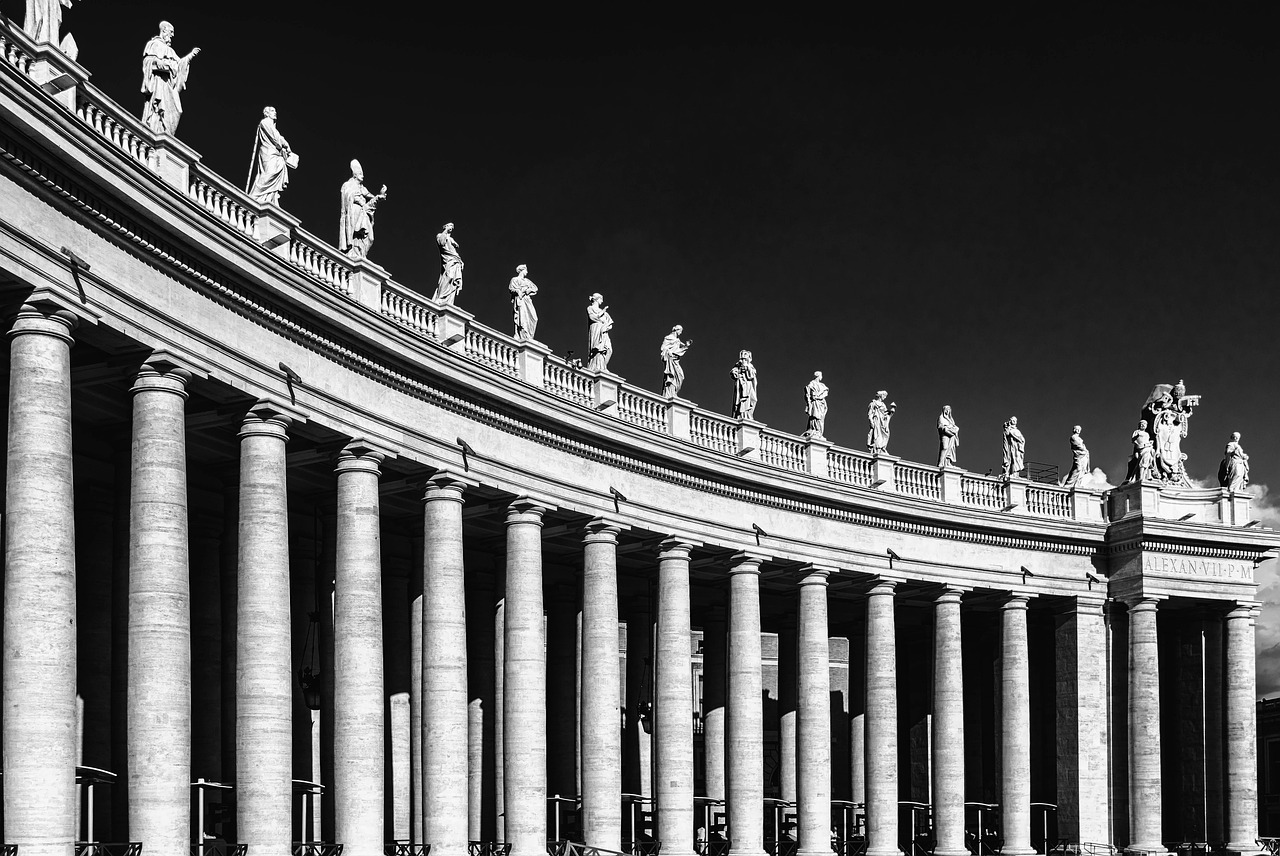
Roman Religion: Beliefs and Practices from Ancient Times Roman religion, often referred to as Roman mythology, encapsulates the beliefs and rituals practiced by the inhabitants of the Italian peninsula from antiquity until the rise of Christianity in the 4th century CE. This epoch is known as Classical antiquity. Nature and Meaning of Roman Religion The…
-
Gaea: The Primordial Goddess of the Earth Gaea, known as Gaia, served as the embodiment of Earth in Greek mythology. Recognized as one of the primordial deities, she emerged at the very beginning of creation. Revered as the universal mother, Gaea was the progenitor of numerous divine beings. Her unions with various gods led to…
-
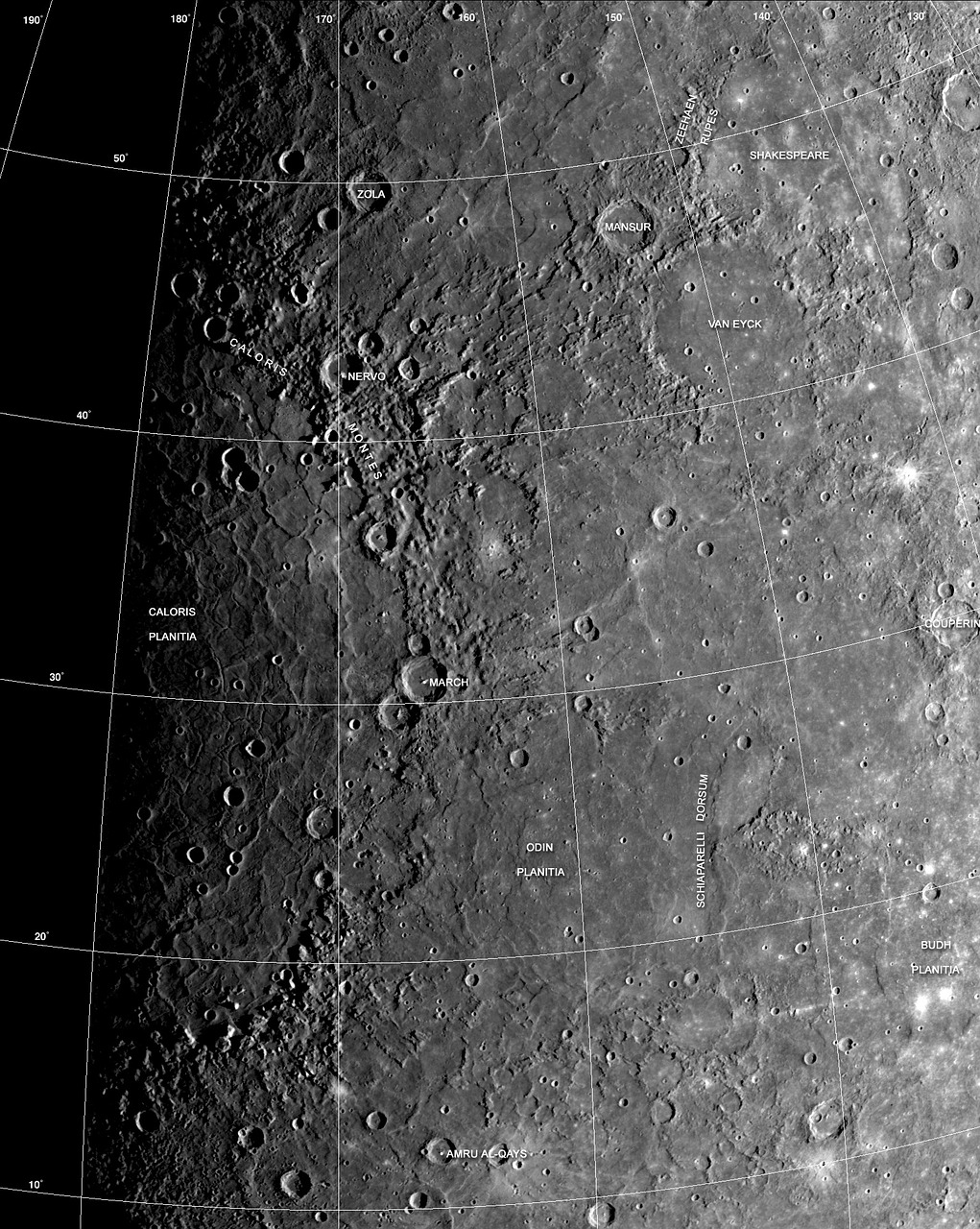
Mercury, known as Mercurius in Roman mythology, holds the title of the deity governing commerce. He serves a vital role as an intermediary between gods and humans, recognized for his remarkable speed due to his winged sandals, which also symbolize the flow of goods, messages, and people. Mercury is venerated by merchants, particularly those involved…
-
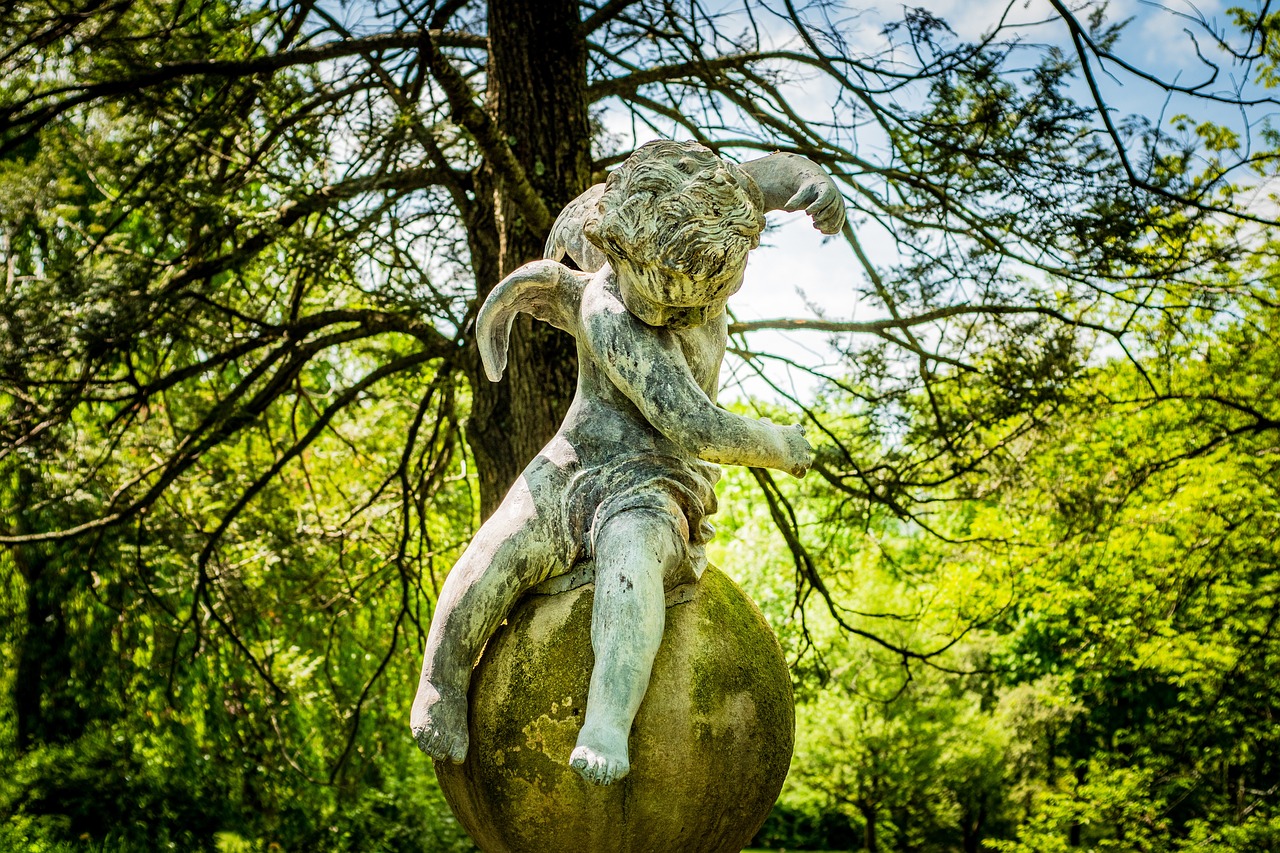
Cupid, the mythical deity of romantic passion, possesses two distinct types of arrows: one with sharp, golden tips, stirring intense desire, and another with blunt, leaden tips, evoking repulsion. In ancient Roman culture, sexual attraction was an accepted aspect of life, though it was seen as perilous if it overwhelmed one’s judgment. Cupid represents this…
-
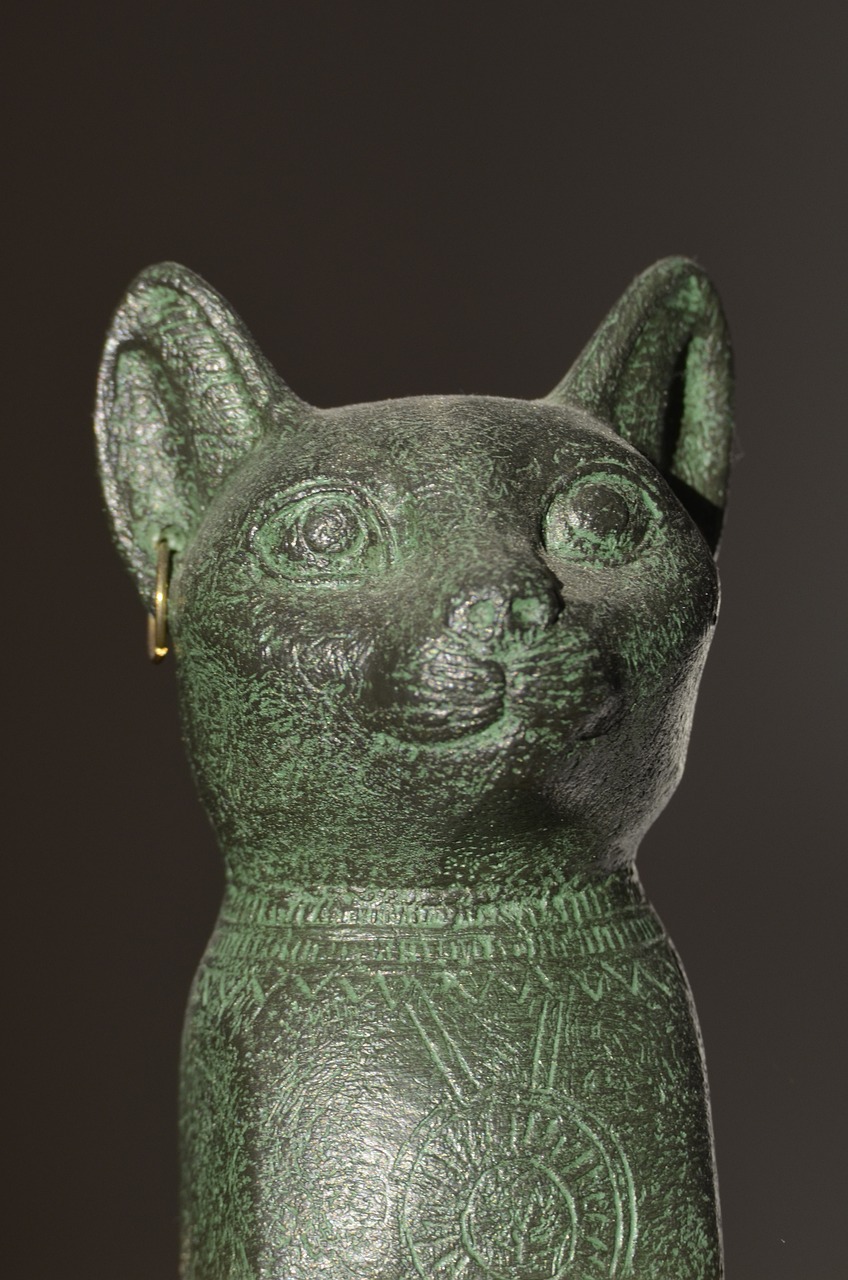
The enchanting and occasionally exotic nature of ancient Egyptian religion is epitomized by the goddess Bastet, who is prominently featured in numerous museums and exhibitions. Often portrayed as a seated cat adorned with various divine symbols such as a scarab on her head, Bastet embodies an ancient world filled with enigmatic beliefs, depicted in a…