Author: Sun WuKong
-
In the mythology of ancient Egypt, few deities evoke as much fascination and fear as Ammit, the grim Devourer of Hearts. This unique goddess, a terrifying blend of three formidable creatures—a lion, a hippopotamus, and a crocodile—played a crucial role in the ancient Egyptians’ beliefs surrounding the afterlife. Ammit: The Deity of Retribution Ammit occupies…
-
Celtic mythology is steeped in mystique, deities, and ancient narratives, with Elatha as one of its intriguing but lesser-known characters. Although not as prominent as some other figures, Elatha’s legends provide vital insights into the cultural and mystical heritage of the Celts. This exploration seeks to uncover the significance of Elatha within the realm of…
-
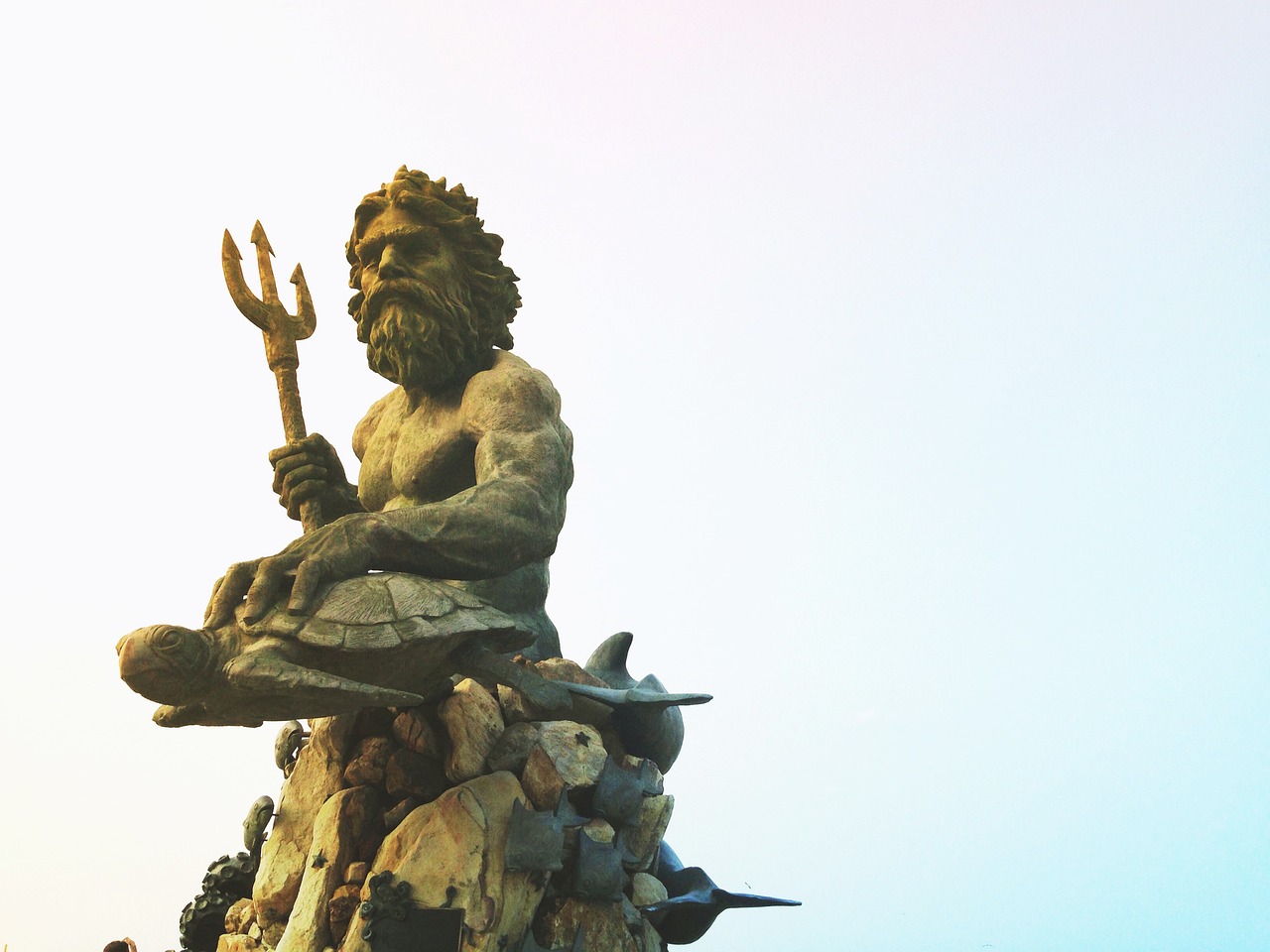
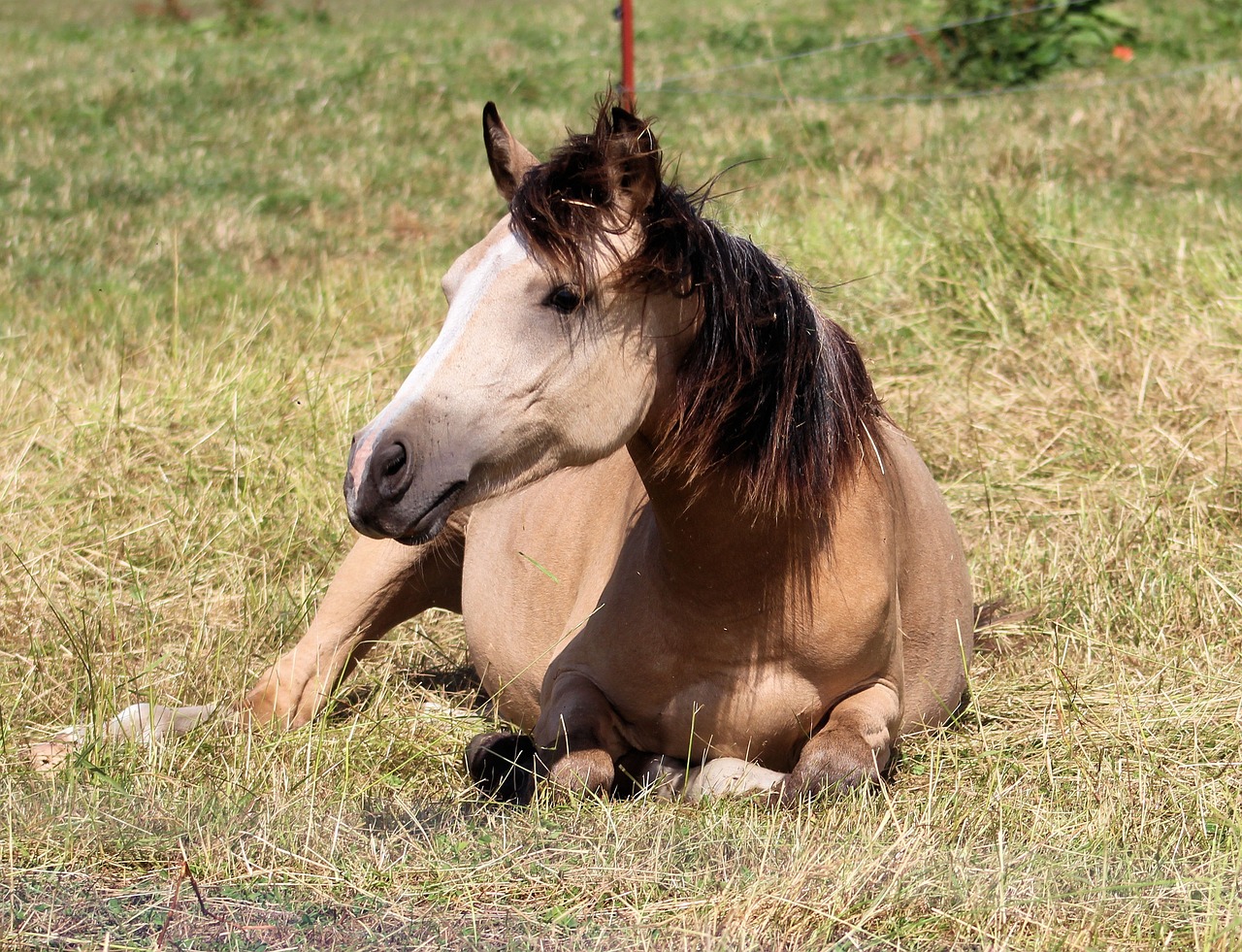
Selene: The Moon Goddess of Greek Mythology Selene, known as the Titan goddess of the Moon, was portrayed in ancient art as a captivating figure, often seen riding sidesaddle on a horse or guiding a chariot pulled by winged horses. Her lunar presence was symbolized by a crescent adorning her head, or the elegant folds…
-
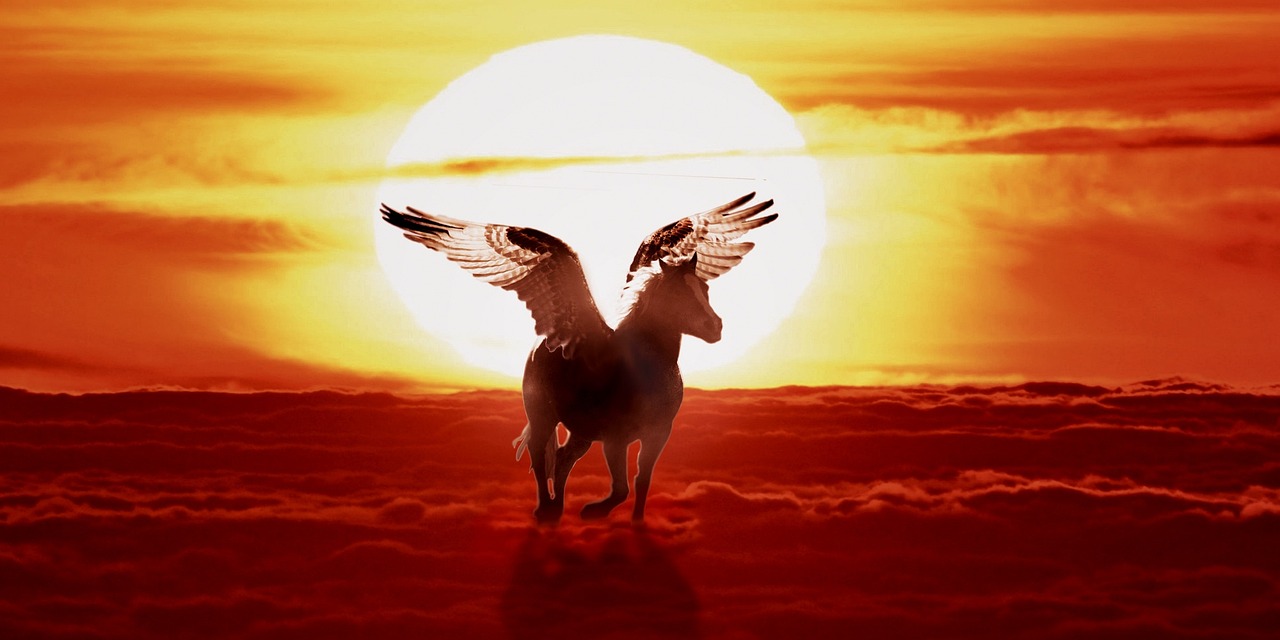
Pegasus: The Winged Horse of Greek Mythology Pegasus, known as Pêgasos in Greek, is a legendary winged horse that originated from the beheaded Gorgon Medousa (Medusa). His remarkable entrance into mythology occurred when the hero Perseus severed Medousa’s head, from which Pegasus and his brother Chrysaor emerged. Bellerophon, a Greek hero, succeeded in taming Pegasus,…
-
The Enigmatic Fortress of Dun Sgathaich on Skye The remnants of Dun Sgathaich, located on the Isle of Skye, are believed to occupy the site of the legendary fortress Dún Scáith, attributed to Scáthach, a renowned warrior queen said to have existed around 200 BC. The history of Scotland during this era is explored in…
-
The Dagda, sometimes referred to as Daghda, Daghdha, Dagdae, or Dagda Mór, stands out as a prominent figure in Irish-Celtic mythology. Classified as a remarkable warrior and leader of the Tuatha Dé Dannan, he plays a crucial role in their conquests over the Fir Bolg, the indigenous inhabitants of ancient Ireland. Another conflict arises against…
-
Ireland’s folklore is an exceptional tapestry of vibrant tales and traditions. The narratives of fairies, Leprechauns, and historic celebrations like Samhain, which has become Halloween, are woven deeply into contemporary culture. At the heart of this rich mythology lies a pantheon of early deities known as the Celtic gods and goddesses, with the Dagda occupying…
-
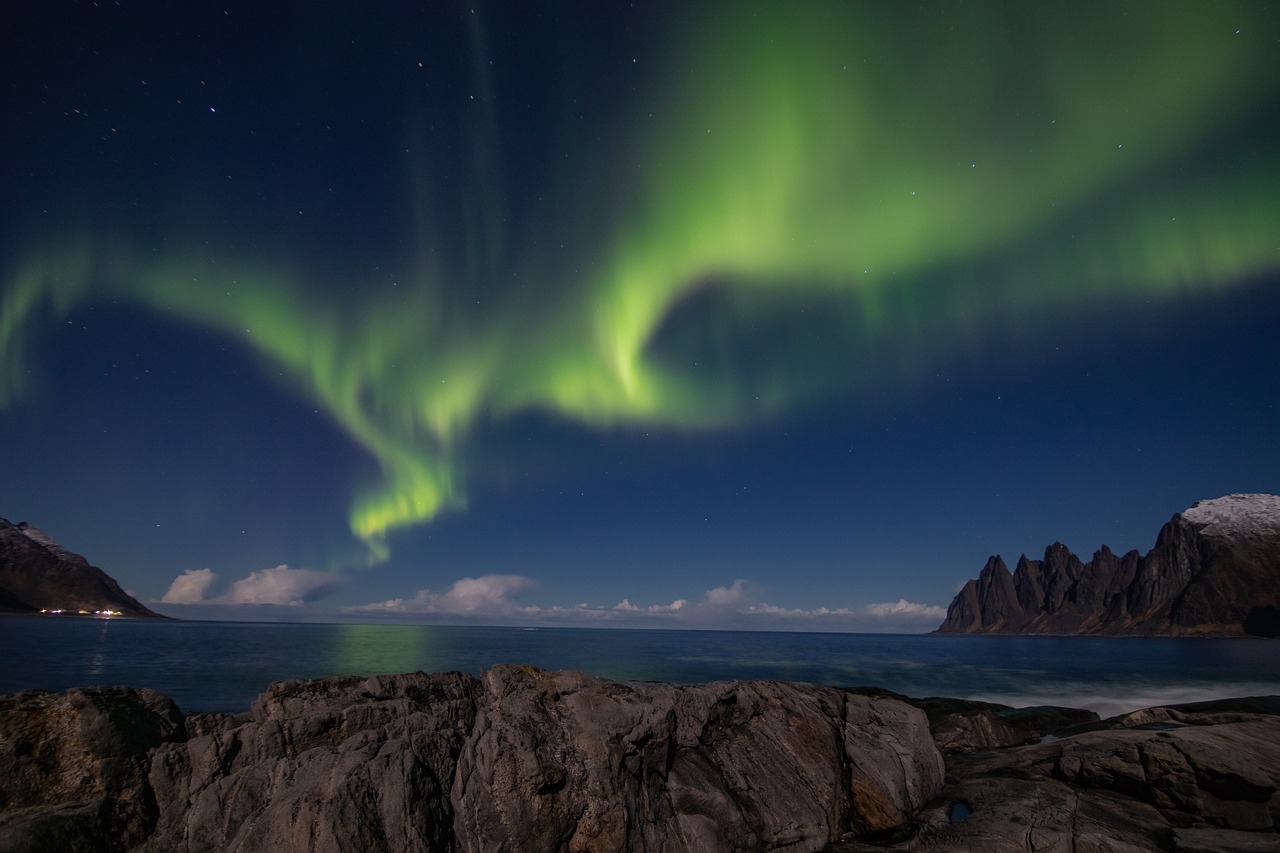
The enigmatic phenomenon known as the Aurora, often referred to in various cultures as the Valkyrior or “Dance of the Spirits,” captivates the human imagination with its ethereal beauty and mystique. Originating from the Roman goddess of dawn, Aurora, and the Greek term for the north wind, Boreas, these natural wonders are classified as the…
-
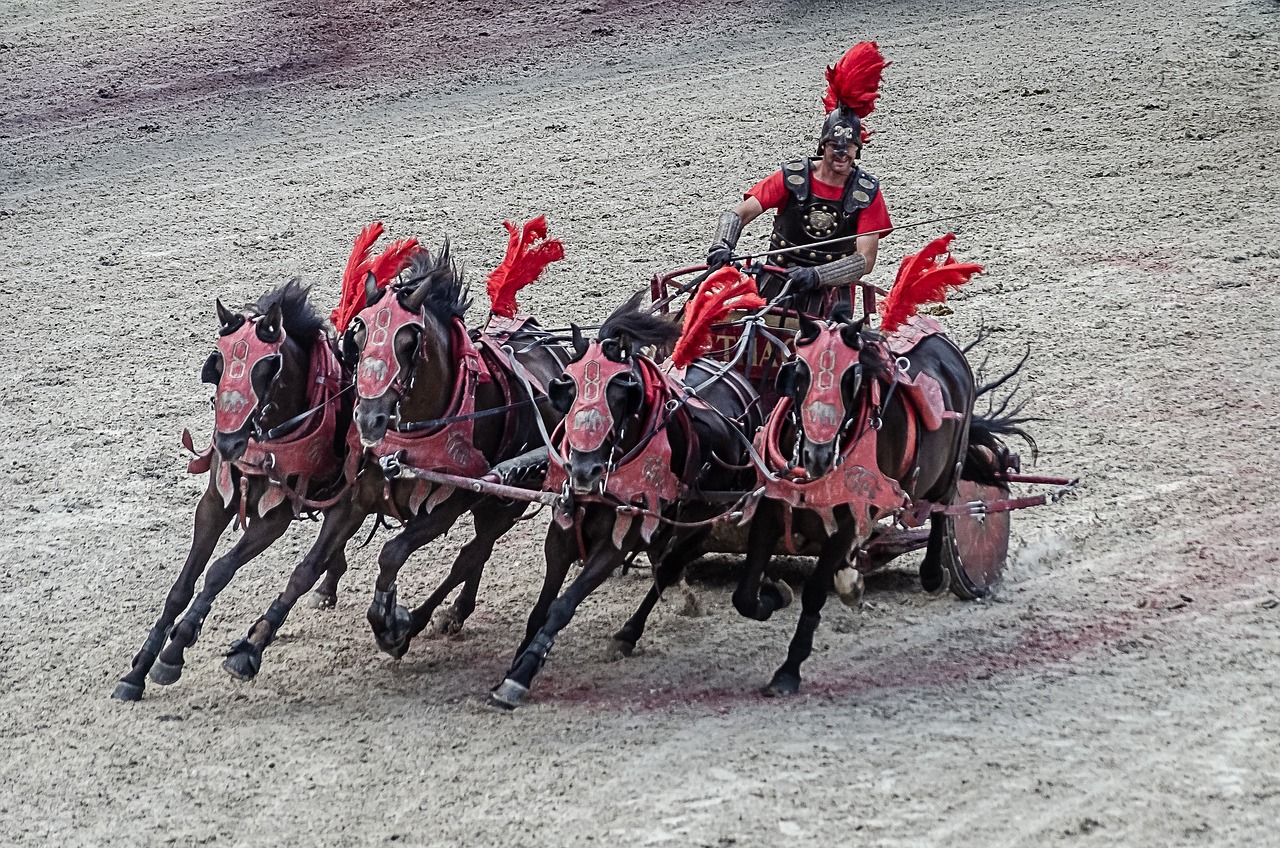
The influence of the Romans on the world was both profound and multifaceted. They introduced impressive construction techniques, advanced logistical methods, cutting-edge technology, and a structured legal system. However, one of the most significant impacts they left behind could be seen as a form of cultural assimilation that bordered on genocide. While the Romans had…
-
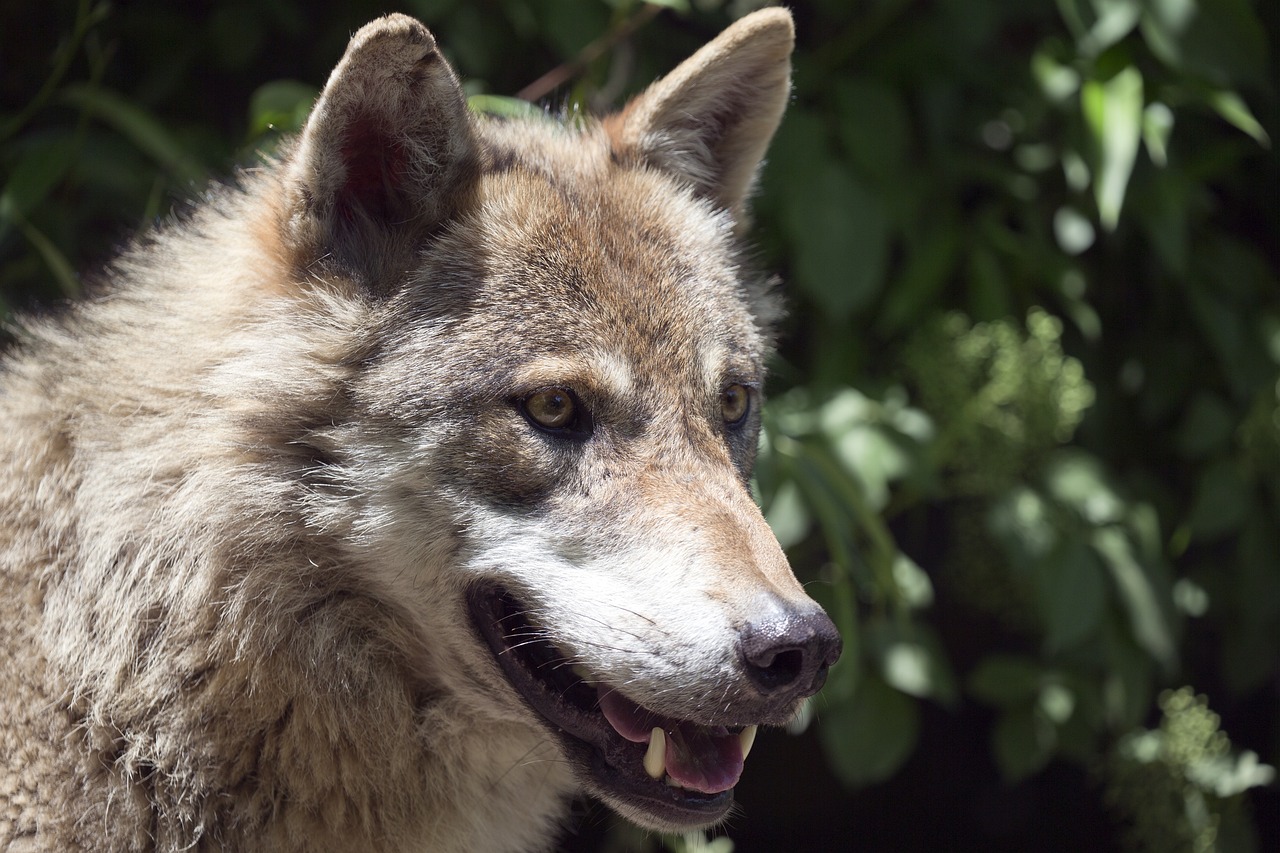
In ancient folklore, there was a Celtic goddess named Macha, a fairy woman of the Sidhe, whose tale becomes central to the renowned Irish epic, the Táin Bó Cúailnge. While many remember this narrative for its imposing curse, at its heart, it is a story about birth and the experiences that come with it. The…