Author: Sun WuKong
-

Pluto, the Roman god of the underworld (also known as Hades in Greek mythology), was one of three brothers and two sisters born to Saturn, the god of time, and Ops, the goddess of fertility and abundance. Following Saturn’s death and the downfall of the Titans, Pluto and his brothers divided their father’s dominions. While…
-
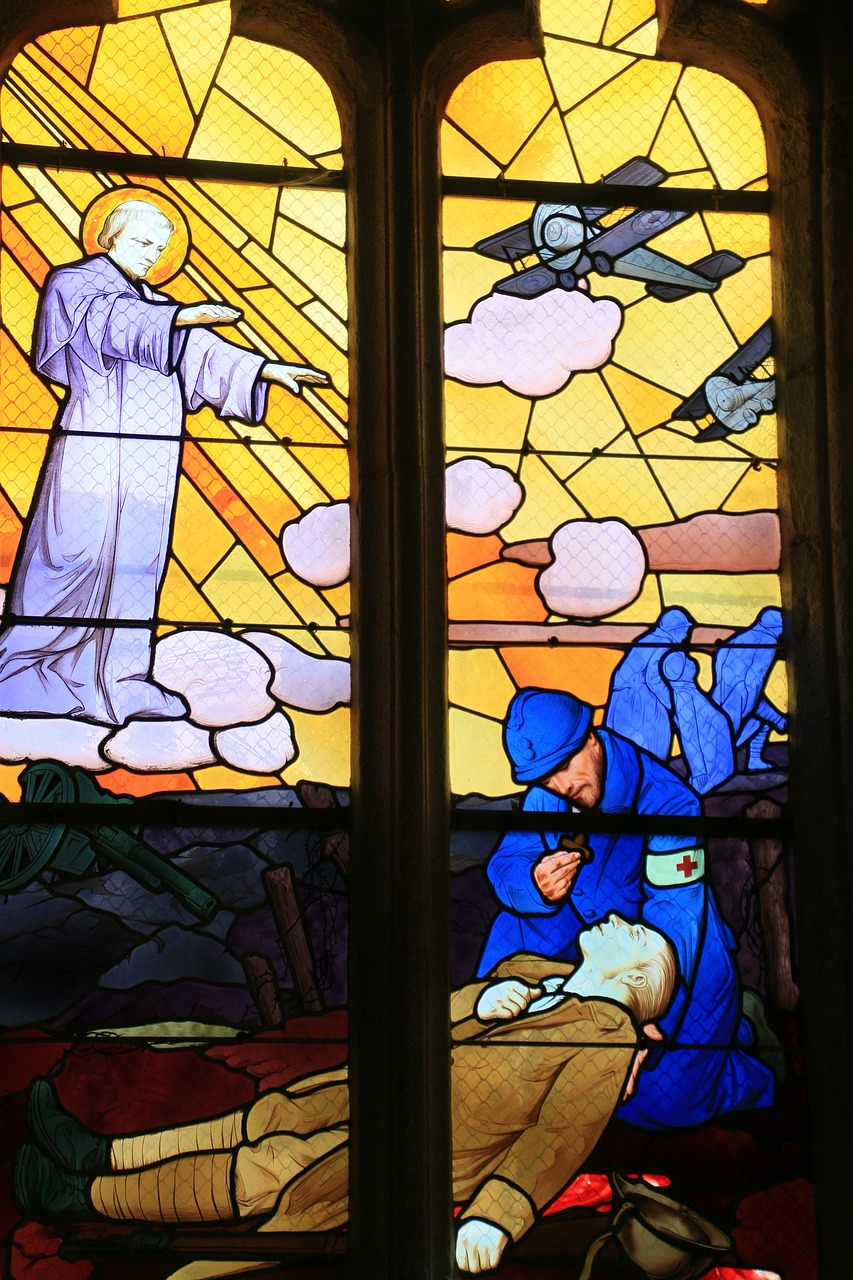
Ares, the Greek god of war, holds the distinction of being one of the least favored deities among the Olympians due to his volatile nature, fierce temperament, and insatiable appetite for battle. His infamous liaisons, such as the affair with Aphrodite, his conflicts with Hercules, and the anger he provoked in Poseidon by slaying his…
-

Gaia, often referred to as Gaea or Ge, stands as a foundational goddess within Greek mythology, symbolizing the Earth itself. Born from the primordial state of Chaos, she is regarded as both the mother goddess and the ultimate divine figure for both mortals and deities. Her lineage is significant, with all major gods and goddesses…
-
Tefnut, an ancient Egyptian goddess, embodies the principles of moisture, rain, and water. She is a pivotal member of the Heliopolitan Ennead, a collective of nine deities predominantly venerated in the city of Heliopolis. Visual representations typically show Tefnut as a woman adorned with a lioness head. Recognized among the primordial deities, she symbolizes moisture…
-
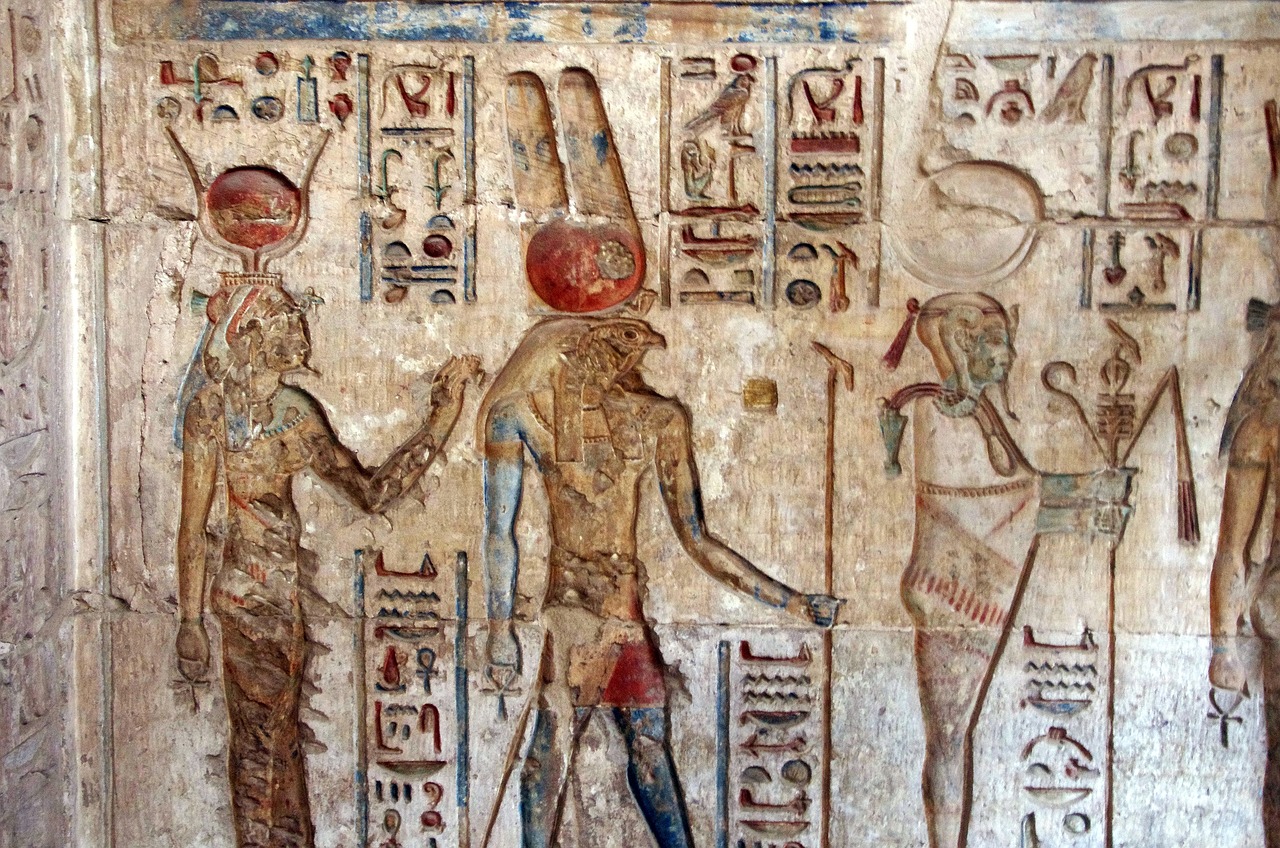
Isis, the revered deity of ancient Egypt, stands out remarkably among the pantheon for her vocal interactions with both gods and mortals. Her widespread influence and character evolved notably post-Alexander the Great’s conquest of Egypt in 332 BC, intertwining her narrative with Greek culture. This essay delves into Isis’s oral engagements recorded in pharaonic texts…
-

Vesta, a prominent deity in Roman religion, is synonymous with the Greek goddess Hestia, known as the goddess of the hearth. In early Rome, the scarcity of fire made the eternal flame vital for both domestic and communal life, elevating Vesta to a position of great importance in worship traditions, whether at home alongside the…
-

Understanding Nitric Oxide and Its Role in Erectile Function Nitric oxide (NO) is a crucial gaseous molecule formed by nitrogen and oxygen that the body produces naturally and is vital for the dilation of blood vessels, significantly impacting erectile functionality. While it’s feasible to increase nitric oxide levels through dietary choices, supplements designed to boost…
-
Background Balor was an imposing leader among the Formorians, a menacing and demonic faction oppressing the Tuatha De Danann. His demise was foretold and occurred during the fierce Battle of Moytura, where he met his end at the hands of his grandson, Lugh. The sheer size of Balor was so immense that when he fell,…
-
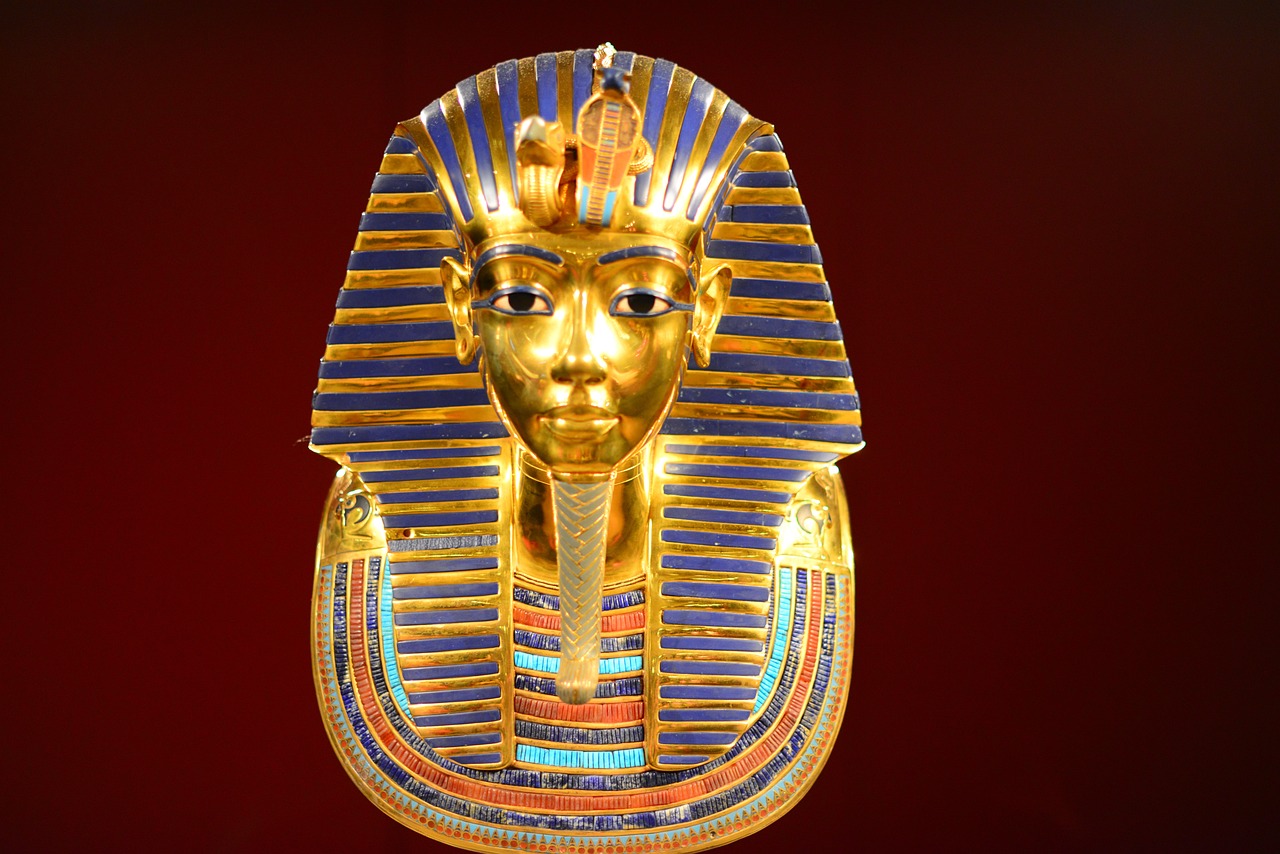
Ancient Egyptian Religion: A Complex Integration of Beliefs and Practices Ancient Egyptian religion encapsulates the indigenous beliefs that thrived from the predynastic period (circa 4th millennium BCE) until the dissolution of traditional culture in the early centuries CE. This framework is crucial to understanding the historical evolution of Egypt and its cultural nuances. While many…
-
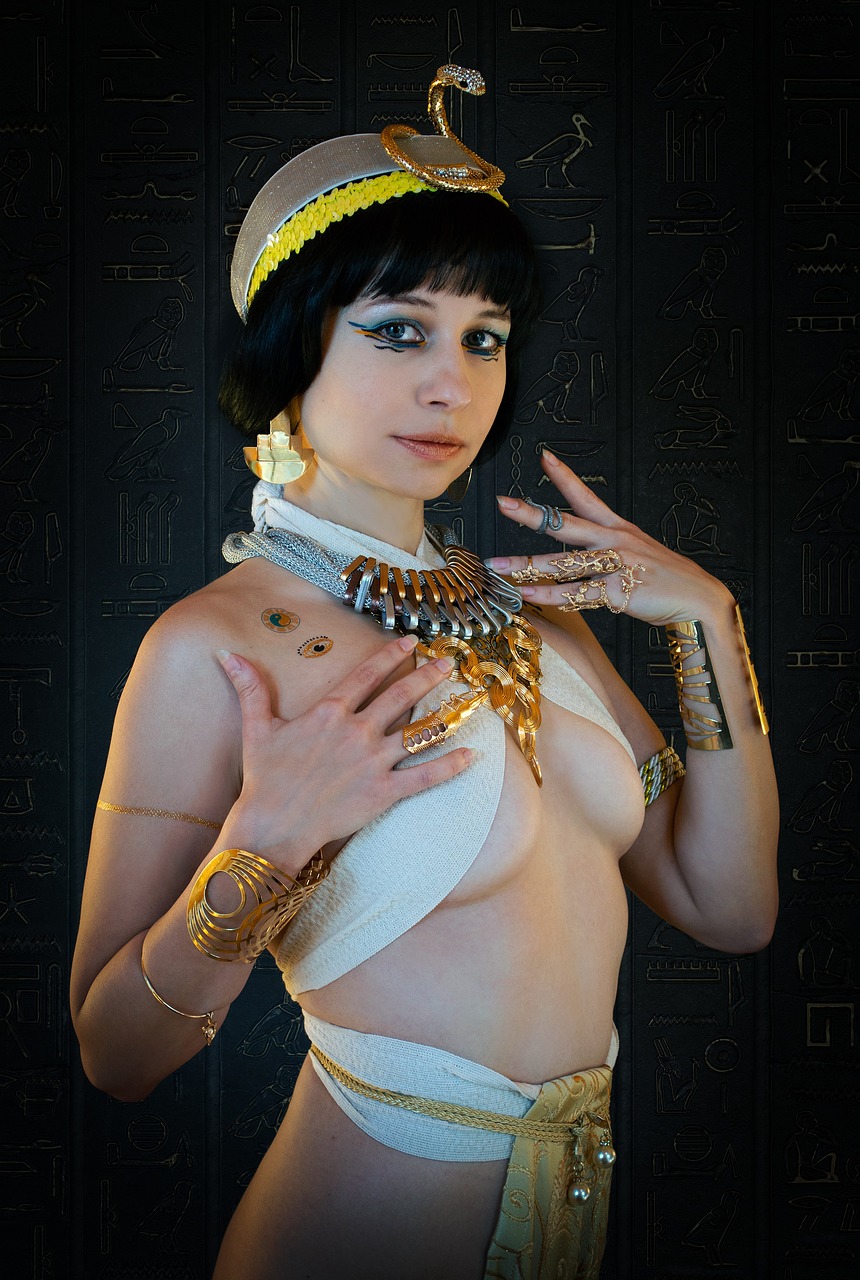
Ancient Egyptian religion represents a rich tapestry of indigenous beliefs that flourished from the predynastic era (4th millennium BCE) until the gradual decline of traditional practices in the early centuries CE. The intricacies of this faith system are woven deeply into the fabric of Egyptian society, especially from around 3000 BCE onward. It’s essential to…