Author: Sun WuKong
-
The Bennu Bird: A Symbol of Rebirth and Creation in Egyptian Mythology Overview Found in Egyptian mythology, the Bennu bird is believed to have played a pivotal role in the creation of the world. Described as a self-generated being and identified as the ba of Ra, the Bennu flew over the chaotic waters of Nun…
-
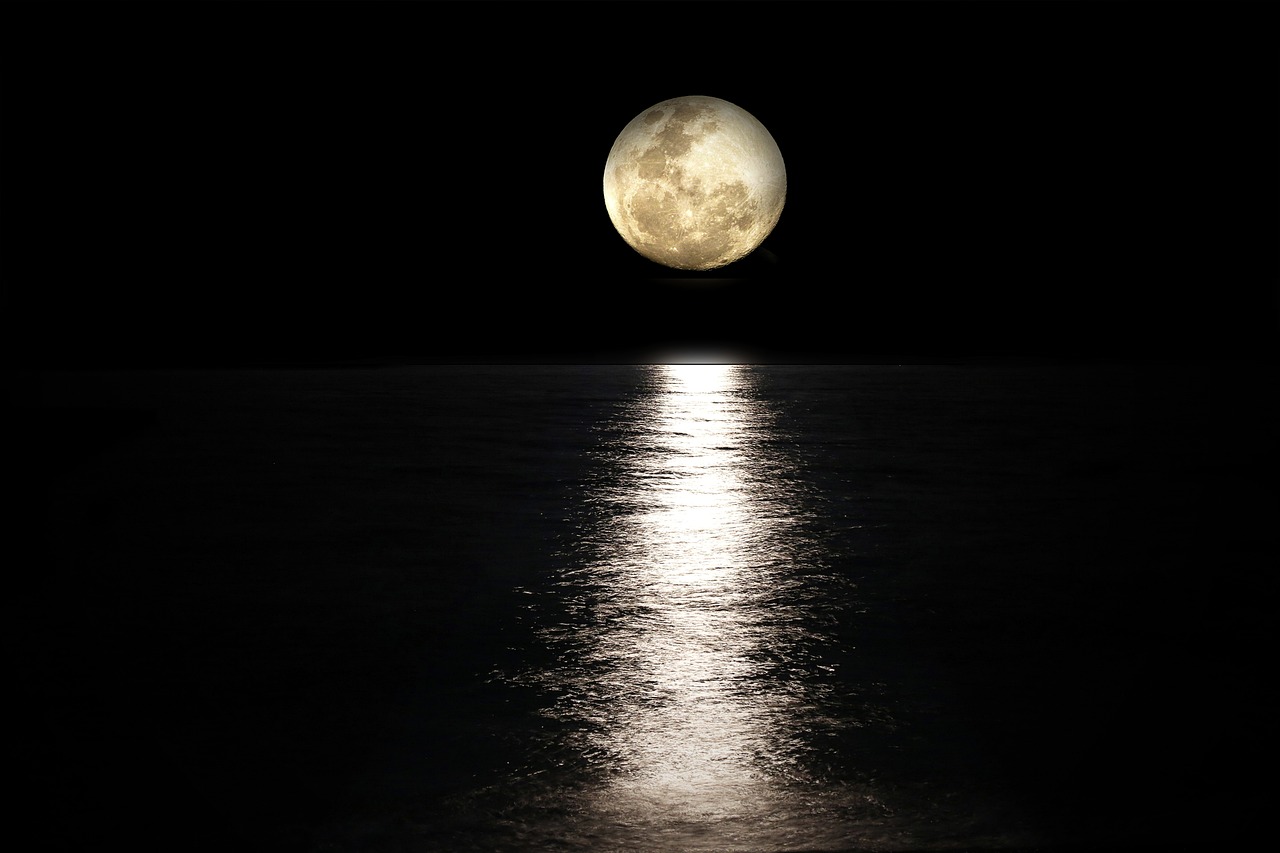
Selene, often referred to as Mene, embodies the moon’s essence within Greek mythology. Each night, she gracefully traverses the sky in her chariot, drawing the moon along with her. As the offspring of the Titans Hyperion and Theia, Selene shares familial ties with Helios, the Sun, and Eos, the Dawn, establishing her lineage from Uranus…
-
The goddess Ammit, known in various forms as Ammut or Ahemait, embodies the concept of divine retribution in ancient Egyptian mythology. She would position herself beside Ma’at’s scales, waiting to devour the souls of individuals judged unworthy. Those who faltered in the afterlife faced a dreaded second death, losing their opportunity for eternal joy in…
-
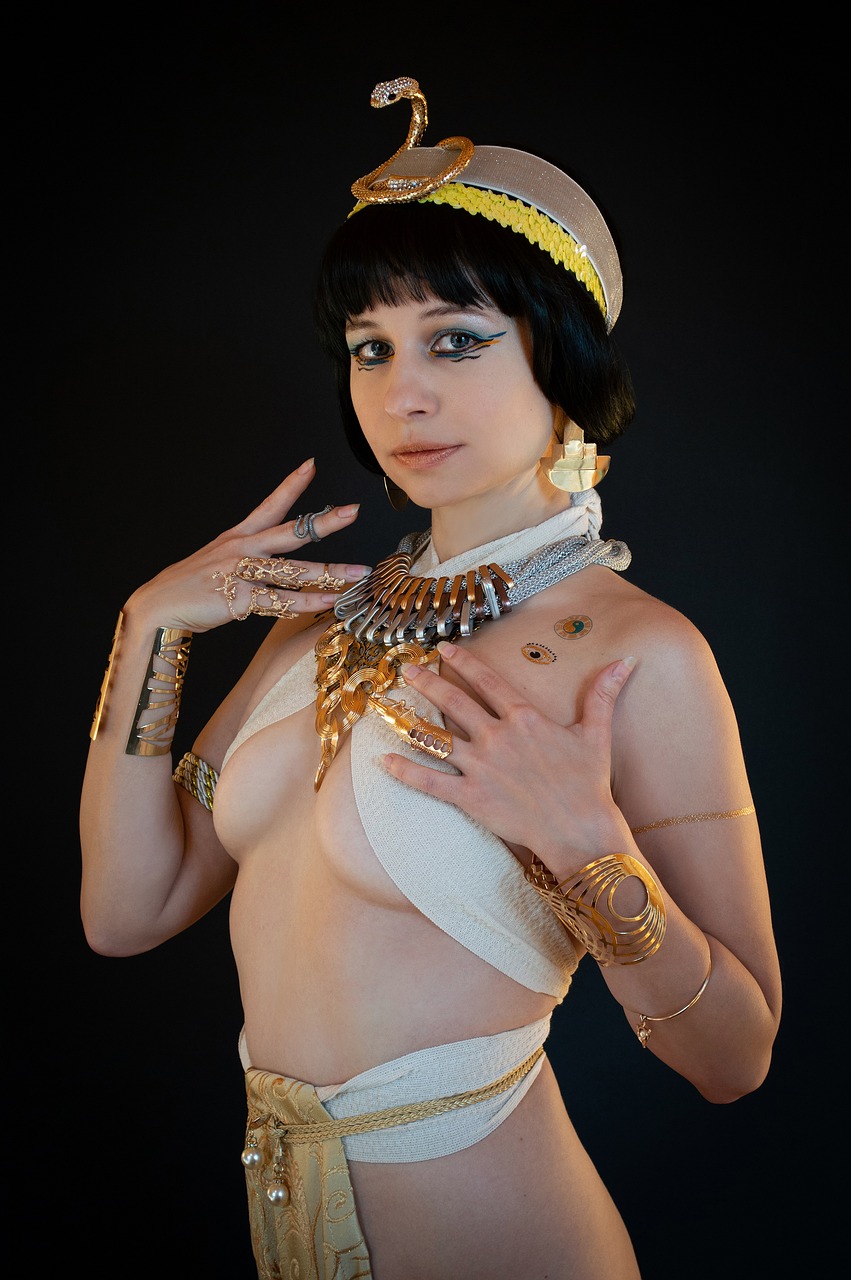
Ancient Egyptian religion encompasses the indigenous spiritual practices and beliefs that formed the foundation of ancient Egyptian culture from its beginnings around the fourth millennium BCE until the decline of traditional customs in the early centuries CE. To understand the evolution of these beliefs, one should also refer to the historical context of Egypt. Overview…
-

Overview Cú Chulainn stands as the legendary warrior-hero within the Ulster Cycle of Irish mythology. Born from a mortal mother and a divine father, he took on numerous adversaries, wielding extraordinary rage, unbelievable strength, and an indomitable spirit. His life is marked by passionate accomplishments and profound grief, making him one of the most celebrated…
-
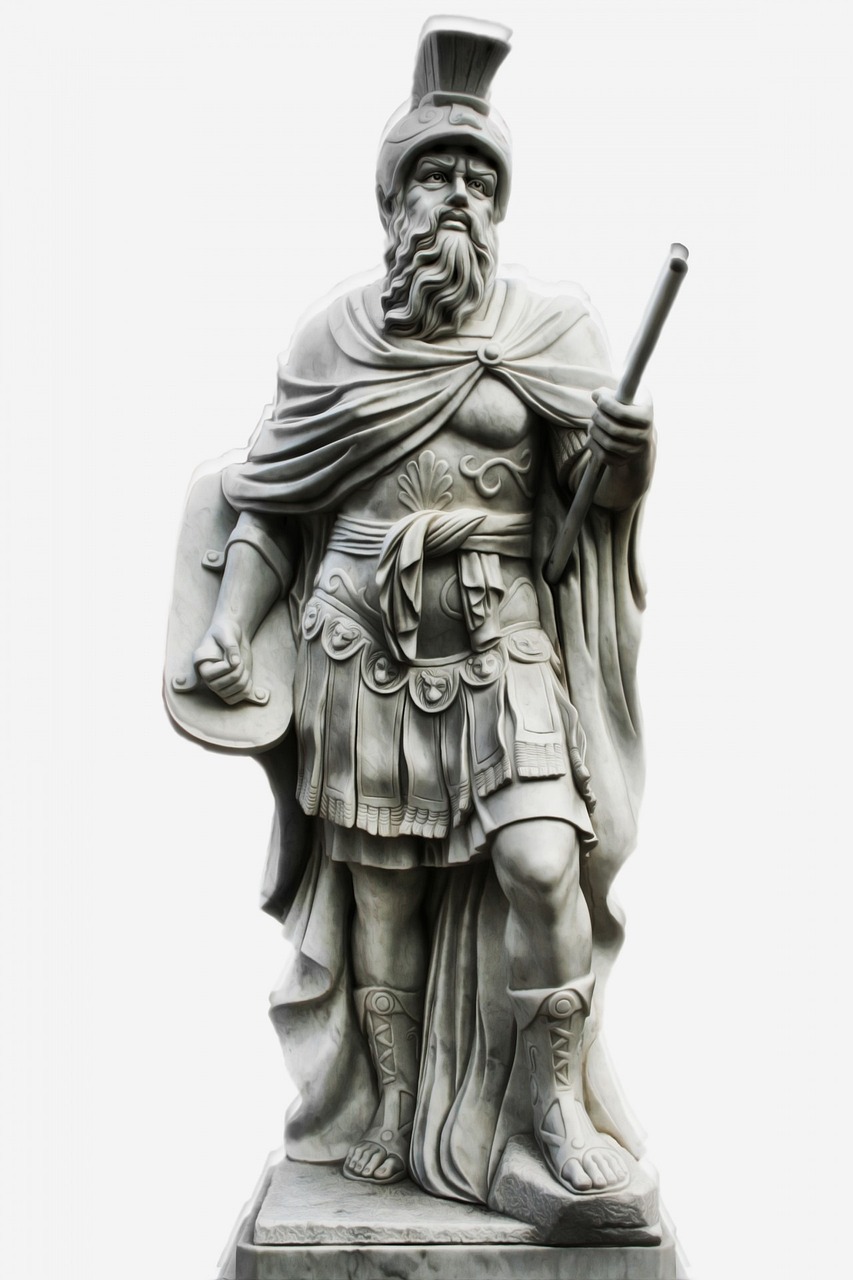
Roman Religion: A Study of Beliefs and Practices Roman religion encompassed the beliefs and rituals followed by those on the Italian peninsula from ancient times up until the rise of Christianity in the 4th century CE, a time referred to as Classical Antiquity. Cicero, the renowned orator and statesman, remarked that the Romans stood out…
-
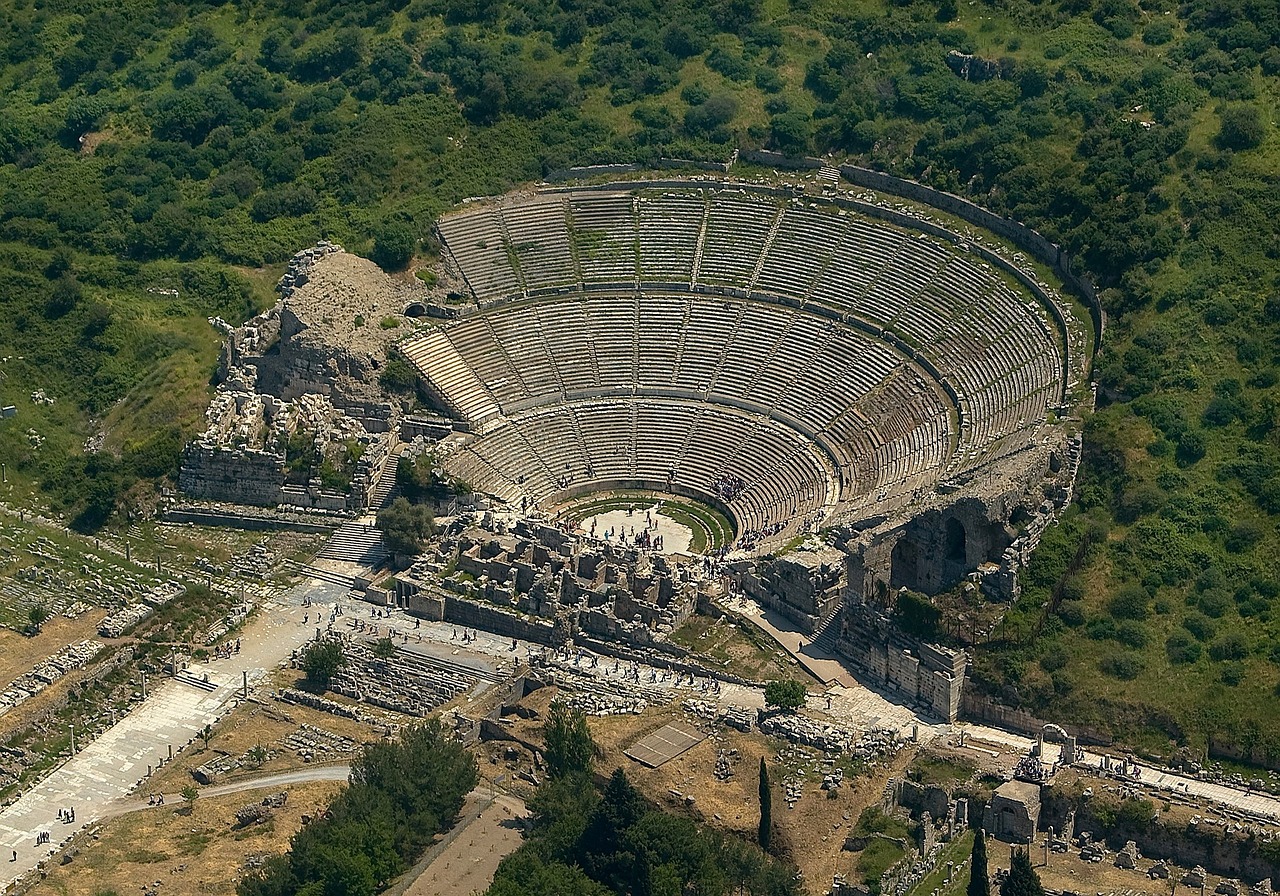
Ephesus, situated in the contemporary Izmir region of Turkey, was a significant maritime hub in the ancient era. This city served as a vital center for commerce in the Mediterranean, boasting a history that saw it controlled by various kingdoms and empires throughout the ages. Originally established around the 10th century BCE, the narratives surrounding…
-
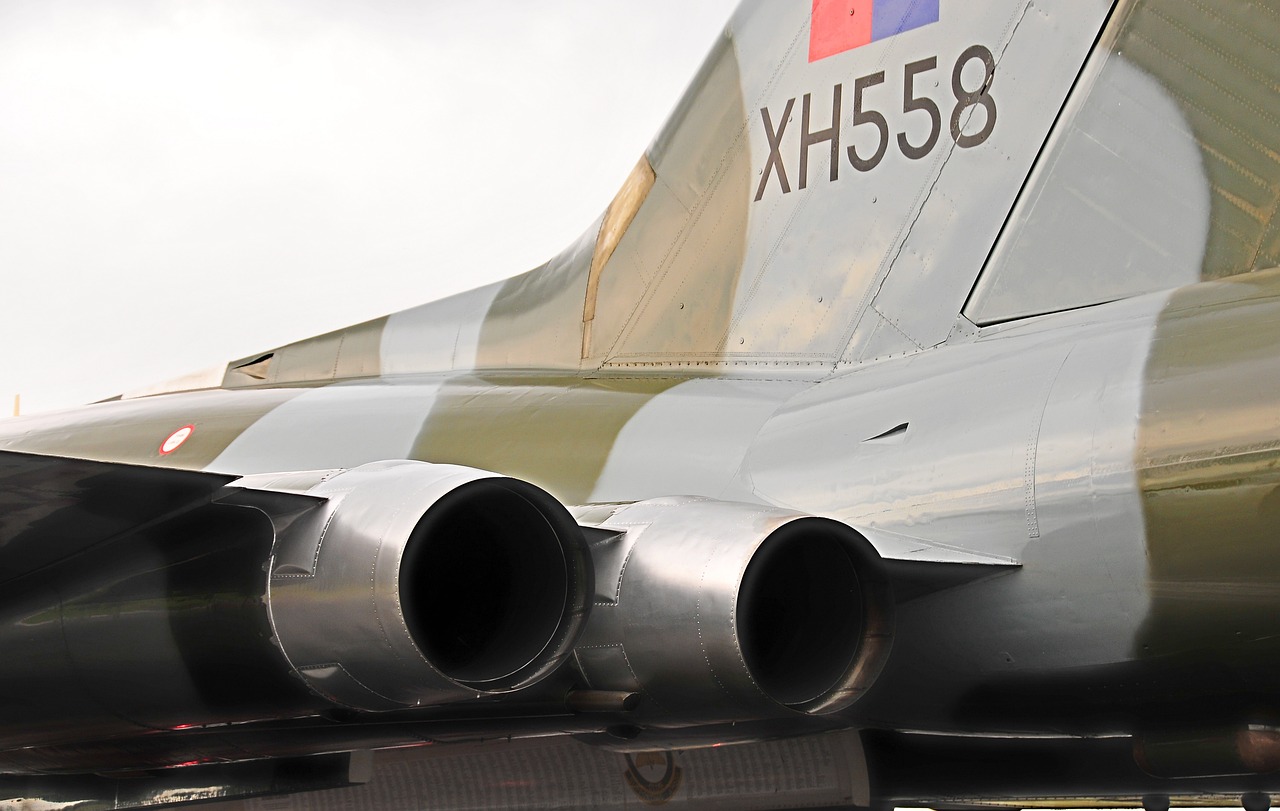
In the realm of Roman mythology, Vulcan, also referred to as Vulcanus, stands as the god of fire, metalworking, and craftsmanship. He is the Roman equivalent of the Greek deity Hephaestus. Often portrayed as a master blacksmith and artisan, Vulcan is celebrated for his skill in forging an array of metal creations, including robust weapons…
-
Accessing Content on Oxford Academic Institutional Access Oxford Academic provides access to its content primarily through institutional subscriptions or purchases. Individuals affiliated with an institution that holds an active subscription have several methods to access the material. IP Based Access Generally, access is granted across the institutional network associated with specific IP addresses. This process…
-
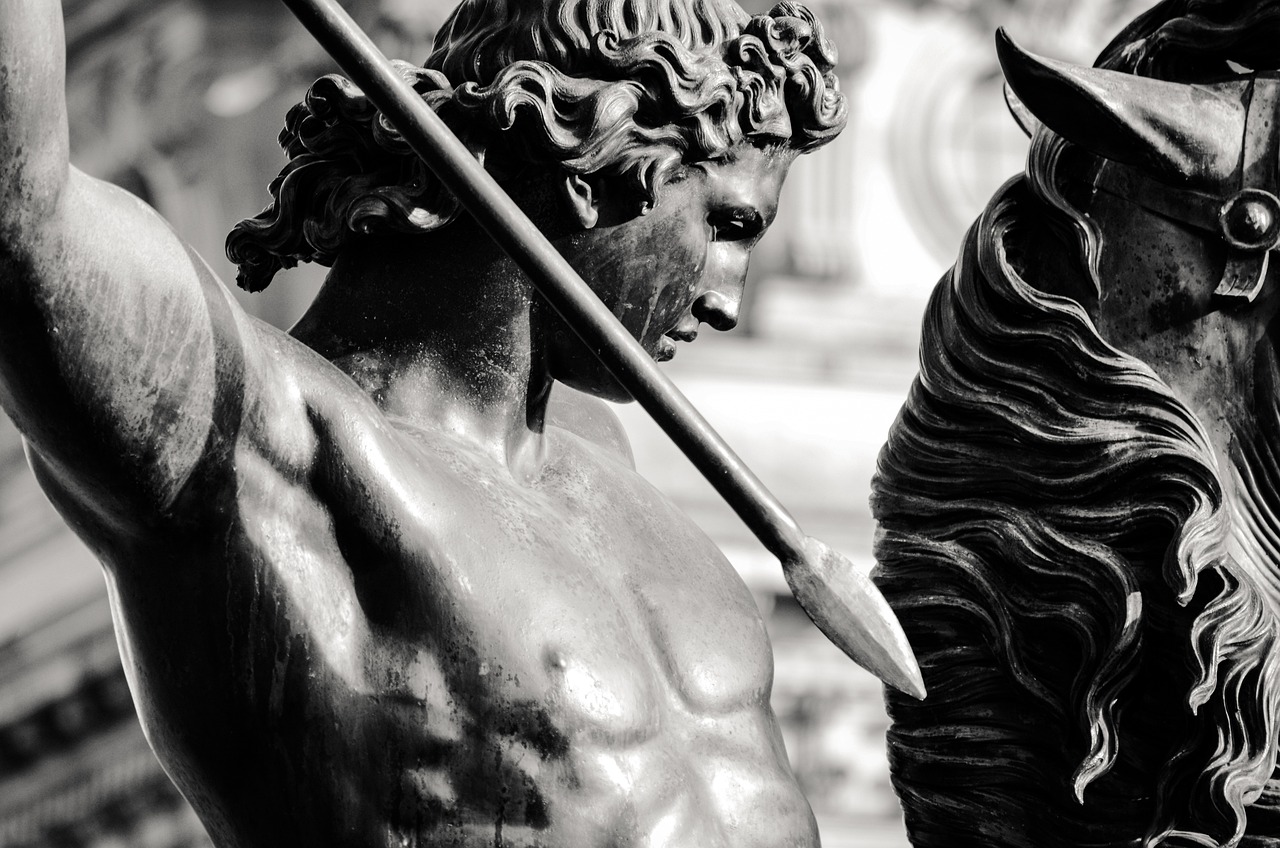
Greek mythology encompasses a rich body of narratives that explore the lives of gods, heroes, and the rituals practiced by ancient Greeks. This collection of tales has greatly influenced Western culture, resonating through literature and art across the ages. While various civilizations have created myths to elucidate natural phenomena, the narratives of the Greeks are…