Author: Sun WuKong
-

The goddess Maʽat represents the Ancient Egyptian Seven Principles of Ma’at: Truth, Balance, Order, Harmony, Reciprocity, Propriety, and Justice. It was anticipated that not only priests and Pharaohs but also their families and all community members would exemplify these principles. The ancient Egyptians believed that life should be guided by these values in every action…
-

Join renowned photographer and author of “Photographing the Aurora Borealis” on an immersive workshop designed to explore and photograph the breathtaking northern lights in Alaska. Set in Fairbanks, AK, from March 2 to March 9, 2024, the workshop accommodates a small group of up to four participants, ensuring personalized attention and instruction. The aurora borealis,…
-
Overview Hypnos, the gentle offspring of Nyx, represents the Greek deity of sleep. Frequently envisioned as a caring god, he brings serene slumber to all living creatures. However, there exists a more somber aspect to Hypnos, as he is also linked to death; his twin brother Thanatos embodies this personification. Throughout history, poets and artists…
-
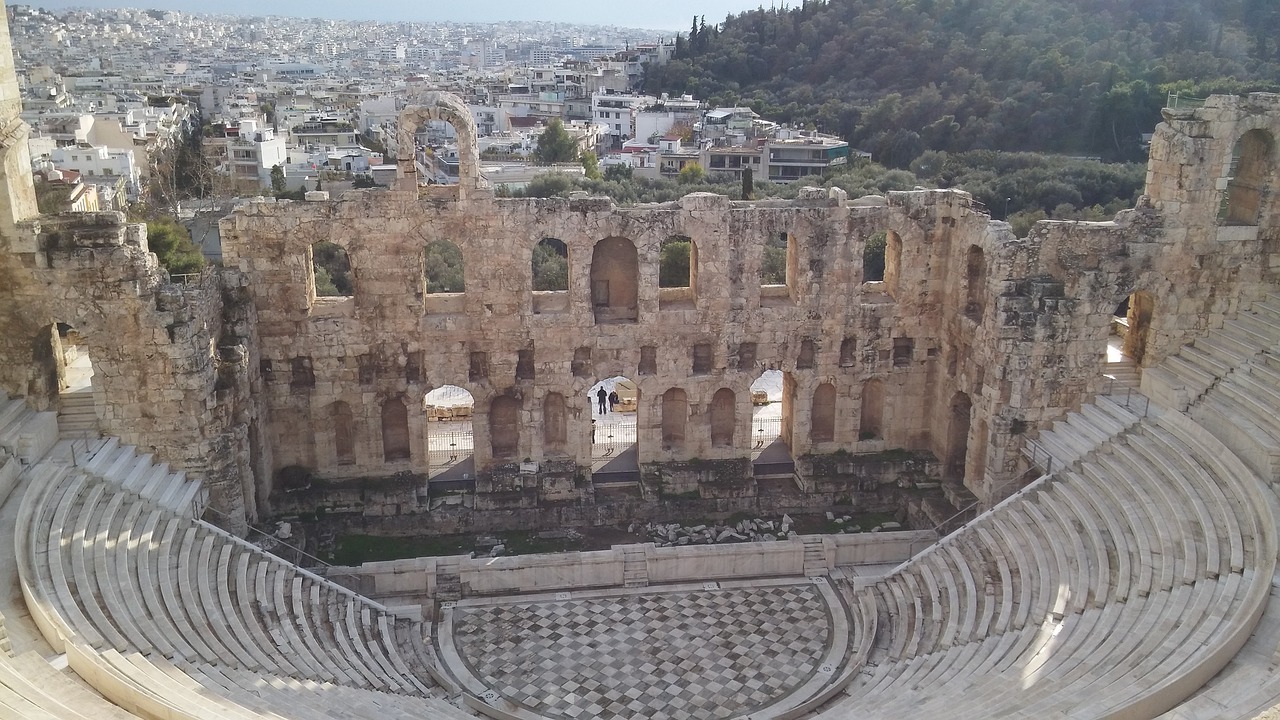
Greek mythology is a vast collection of narratives that explores the tales of gods, heroes, and various sacred practices of the ancient Greeks. This body of work, rooted in Classical antiquity, presents a blend of historical beliefs and fictional storytelling. While philosophers such as Plato recognized the fictional elements within these tales during the 5th…
-
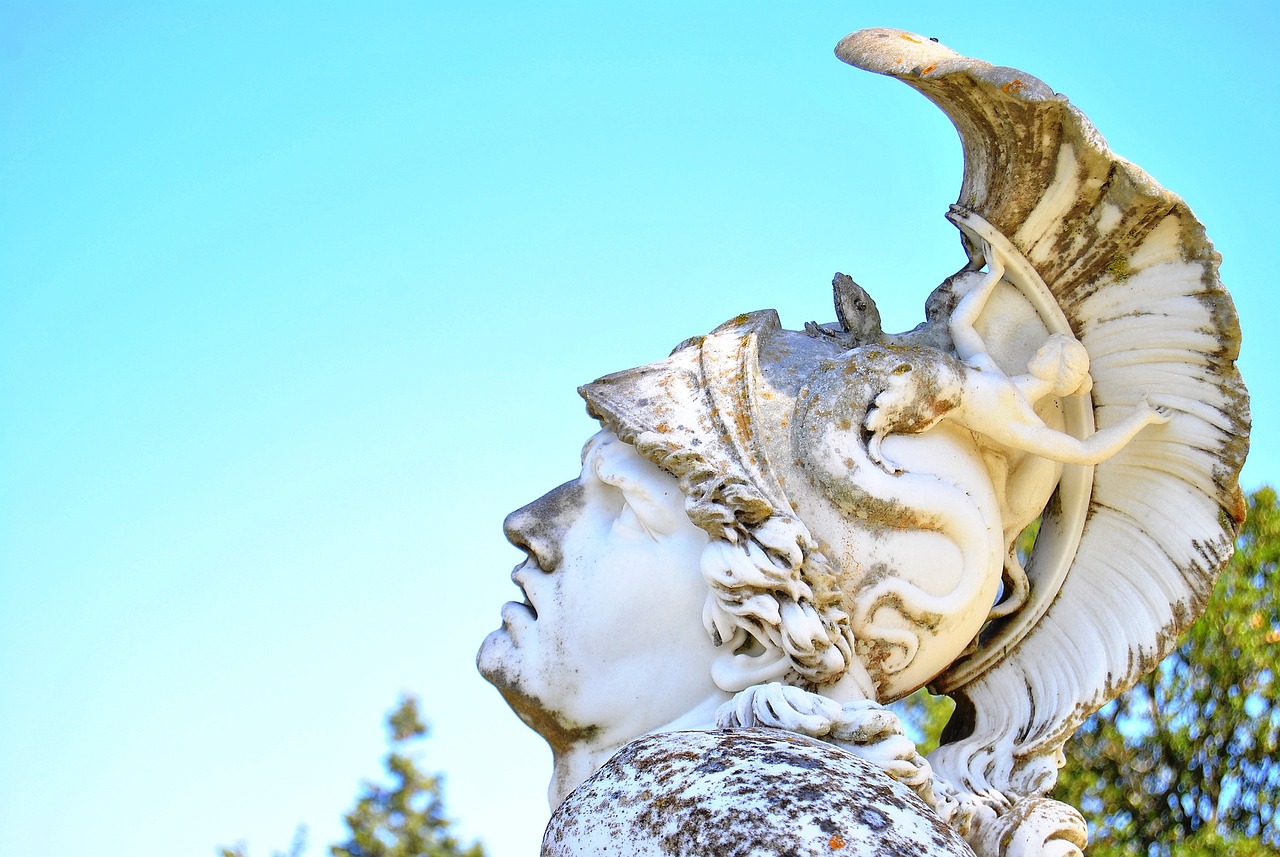
The Epic Saga of Achilles and Hector in the Trojan War As the tale of the Trojan War unfolds, it begins with the abduction of Helen by Paris, prompting her husband Menelaus to seek assistance from the Greek forces to reclaim her. This call to arms brought about the prospect of war, prompting a mixed…
-
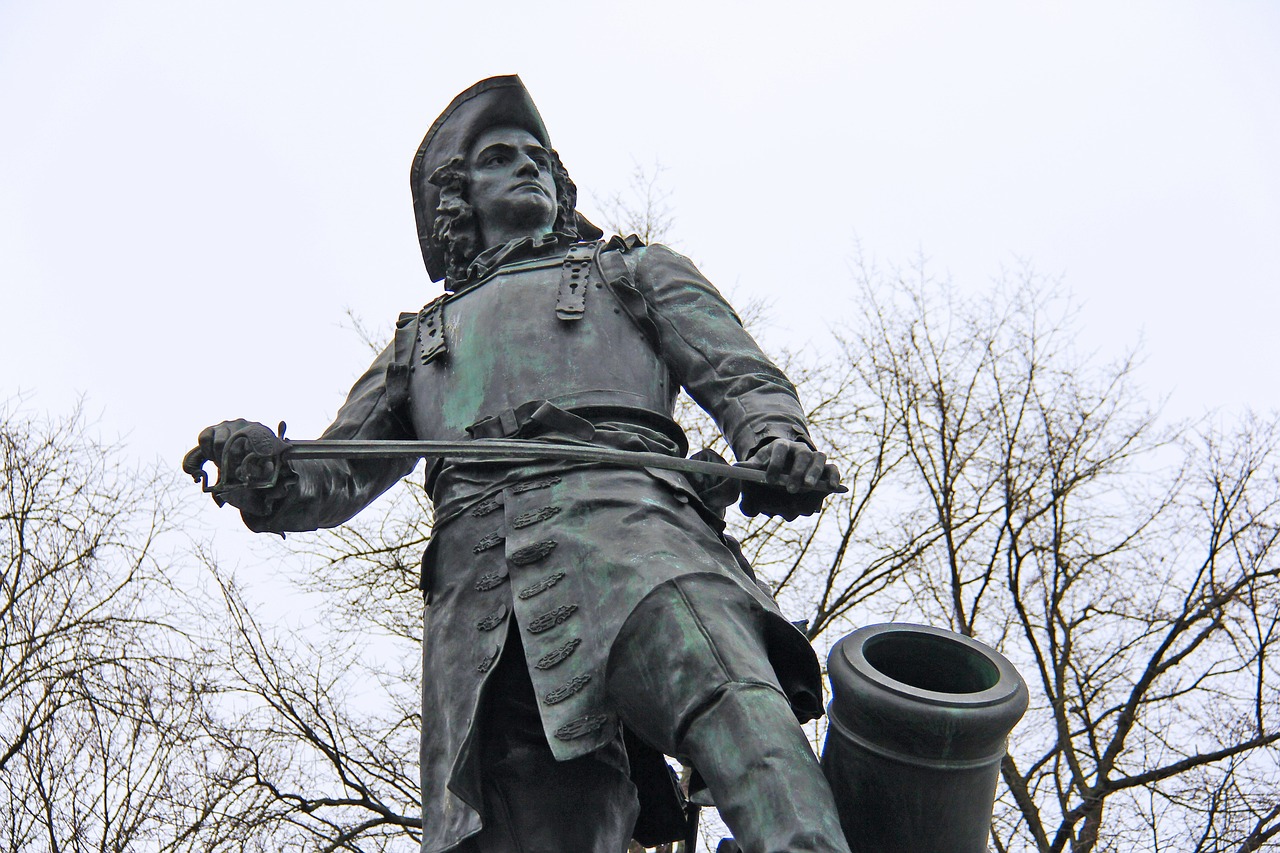
Exploring Aker: The Egyptian God of the Horizon Aker holds a prominent position in the mythology of ancient Egypt, characterized as the solar god of the horizon and a key guardian of the Underworld. This article delves into the fascinating legends and beliefs that surround this deity, as well as provides engaging facts that are…
-
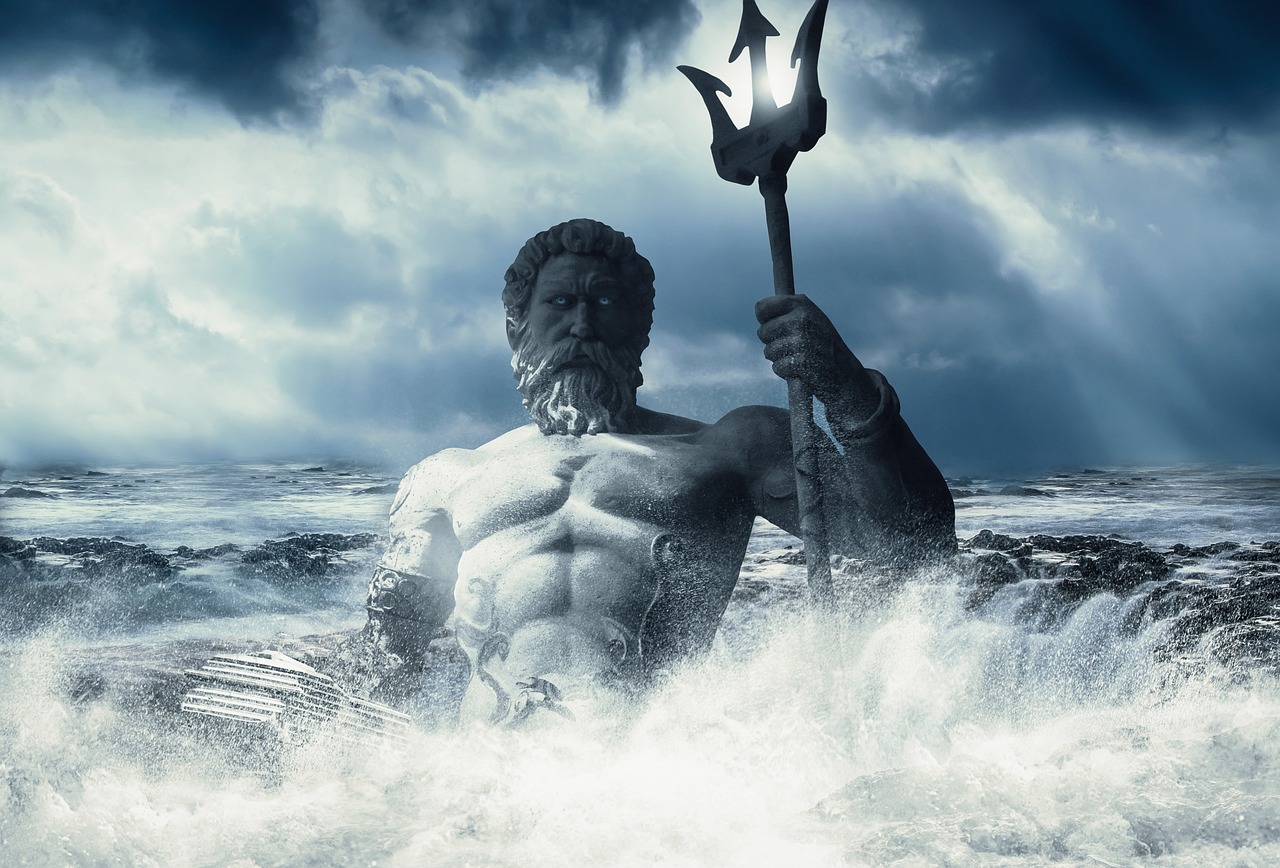
Overview of Roman Religion Known also as Roman mythology, Roman religion encompasses the beliefs and practices of the people inhabiting the Italian peninsula from ancient periods up until the rise of Christianity in the 4th century CE, referred to as Classical antiquity. The Romans, as noted by the orator Cicero, excelled in understanding a vital…
-
Cernunnos, an emblematic figure in ancient Celtic mythology, embodies the essence of nature, animal life, and fertility. Often portrayed in Celtic art donning stag antlers or horns, he typically wears a torc around his neck. Though sparse in documentation, significant artistic representations of Cernunnos can be found in various artifacts, including the Val Camonica rock…
-
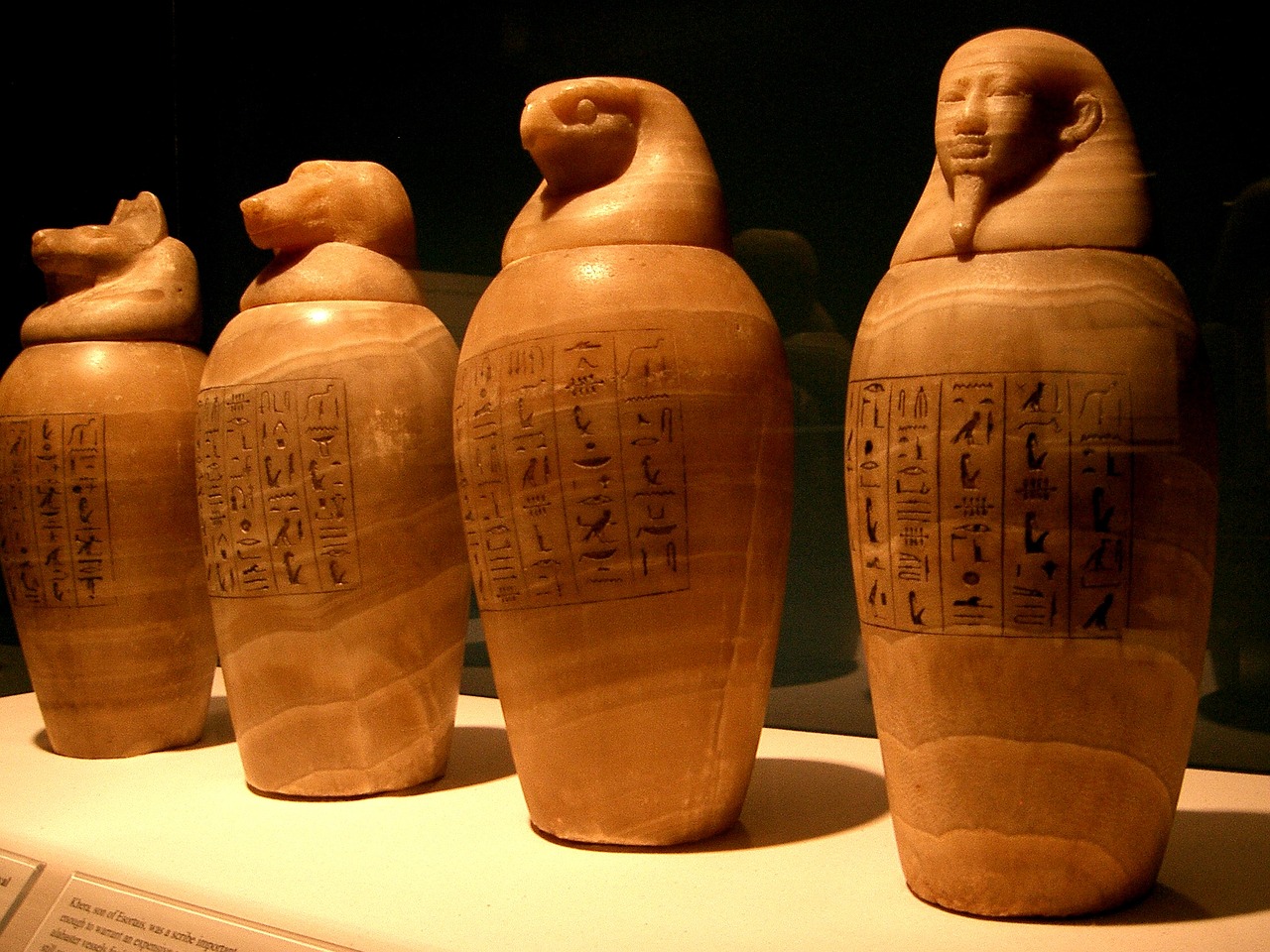
Anubis, an archetypal figure in ancient Egyptian mythology, is revered as the deity of mummification and funerary ceremonies. Often depicted safeguarding tombs, he serves as a guide for souls navigating the afterlife. This ancient god, associated with lost souls and the vulnerable, has roots that can be traced back to one of Egypt’s earliest gods,…
-

The Ingenious Figure of Hermes in Greek Mythology Introduction Hermes, often referred to as Mercury in Roman tradition, is a captivating and complex deity revered in Greek mythology. He is celebrated primarily as the swift messenger of the gods, exemplifying attributes such as agility, cleverness, and adaptability. This article explores Hermes’ origins, emblematic symbols, remarkable…