Author: Sun WuKong
-
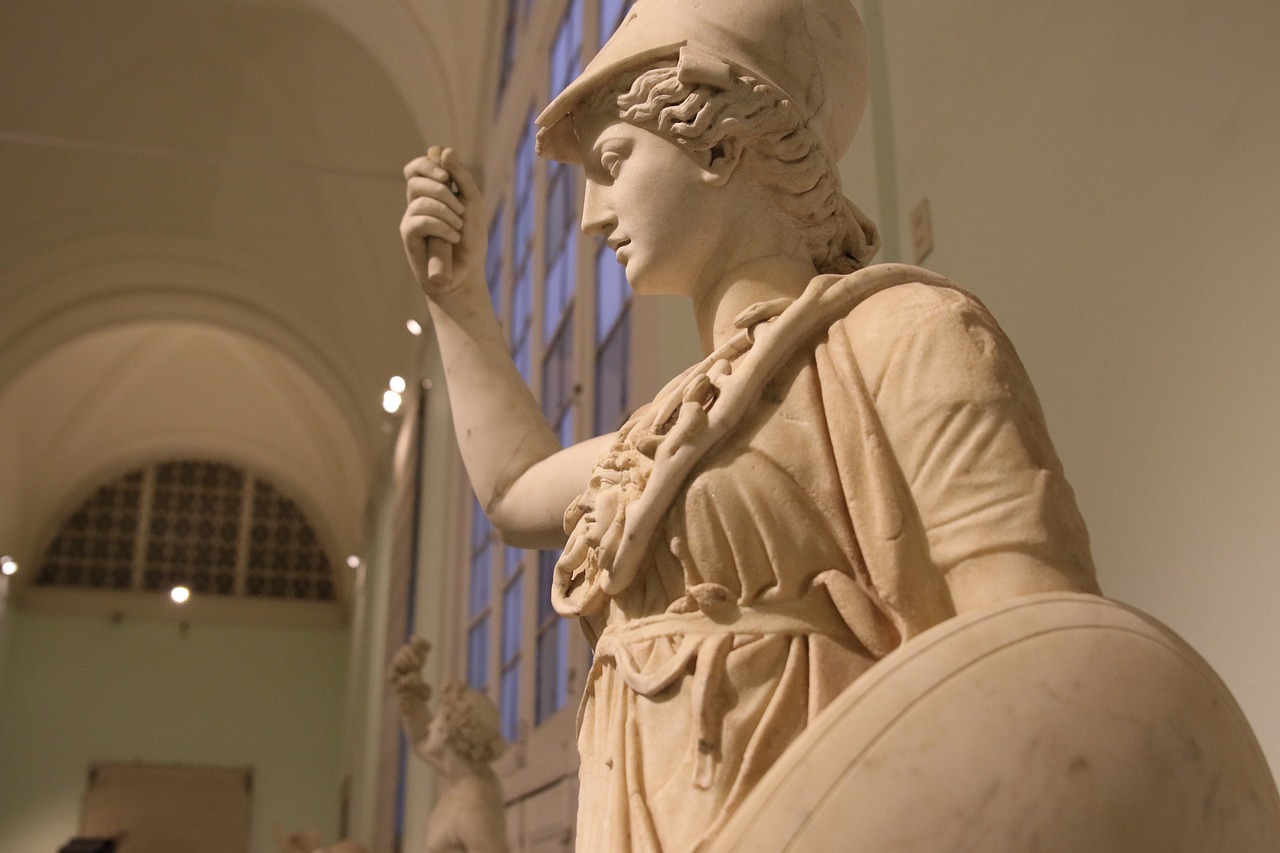
Athena, revered as the guardian deity of Athens, is intimately linked to numerous sacred symbols that signify her divine attributes. She was uniquely born from the forehead of Zeus, making her his most beloved offspring with exceptional wisdom, courage, and creativity. A lifelong maiden, Athena did not bear any children but often took notable figures…
-
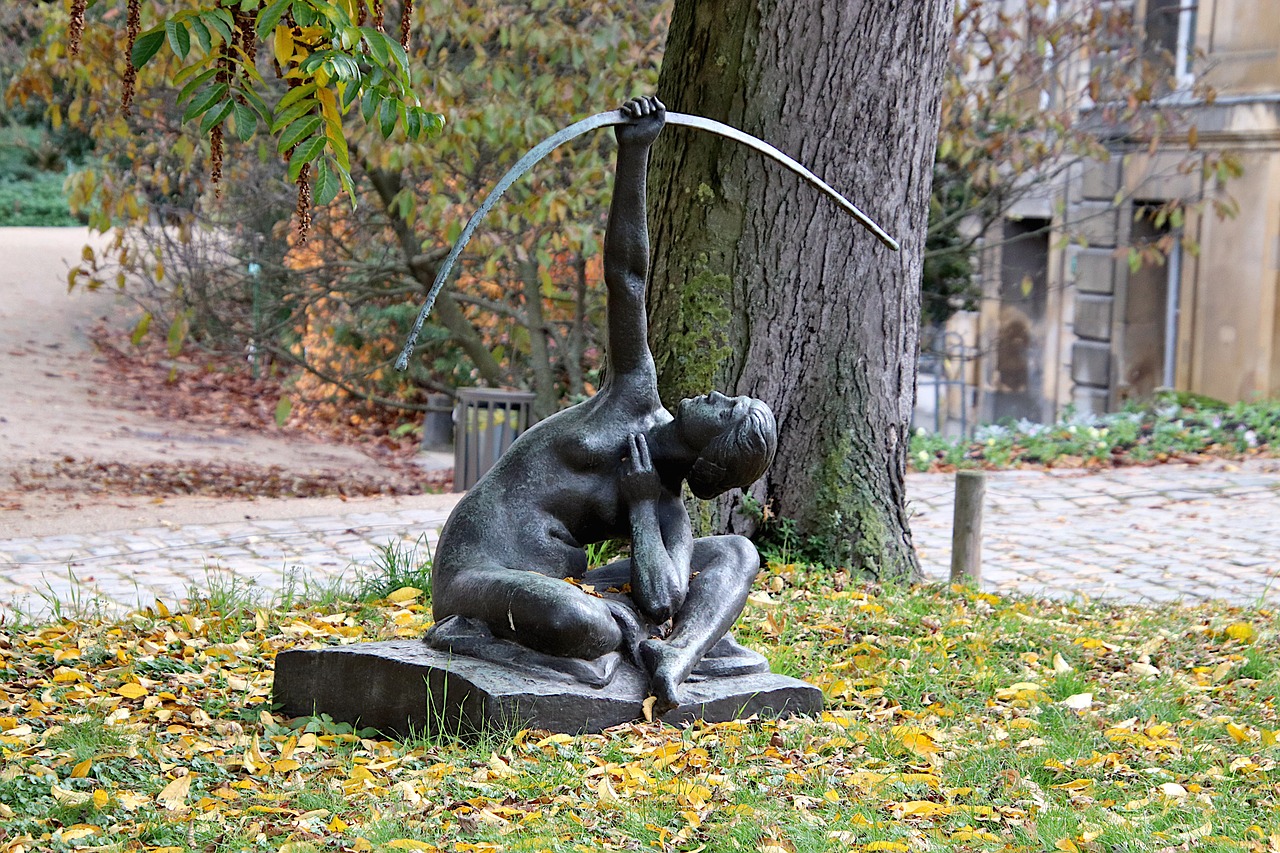
Diana and the Divine Connection to Nature and Womanhood Diana, a prominent figure in ancient Italian mythology, embodies the qualities of the moon, open landscapes, and wilderness. Her character aligns closely with aspects of fertility and childbirth, sharing similarities with the Roman goddess Juno, particularly under her title of Lucina. This divine persona finds her…
-
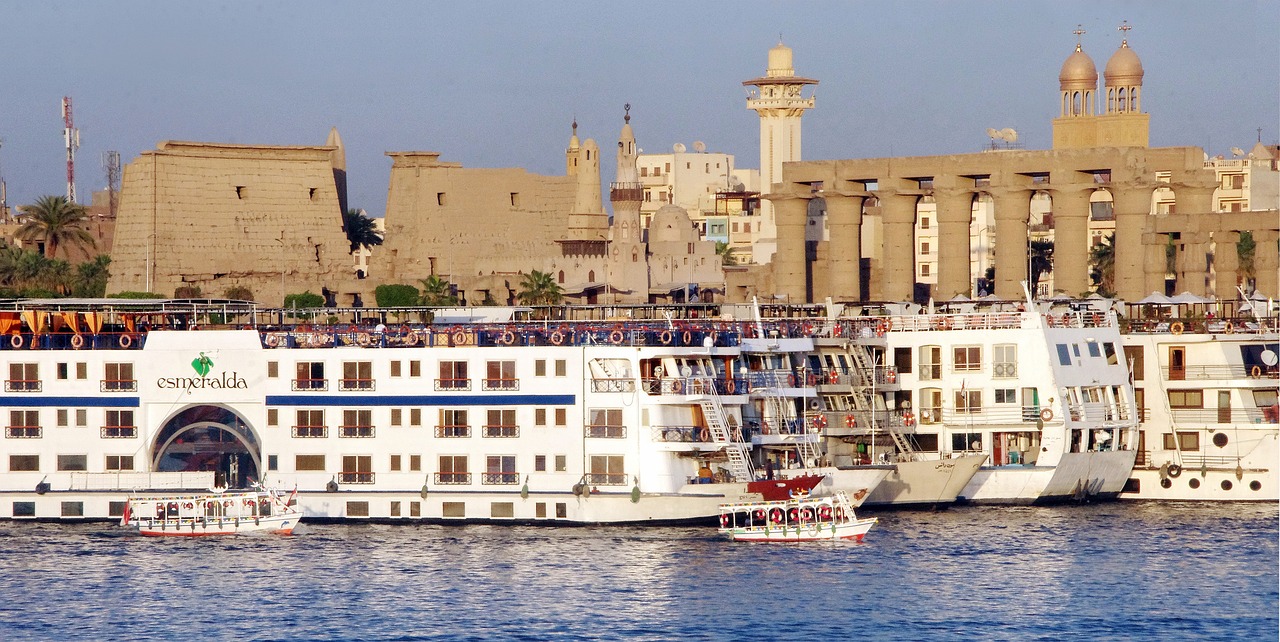
When the Nile River comes to mind, it’s often accompanied by thoughts of Egypt, and rightfully so, given its immense historical and cultural importance. Ancient Greek historian Herodotus famously declared Egypt to be “the gift of the Nile,” highlighting the river’s critical role in the life and prosperity of the Egyptian civilization. For the Ancient…
-

The term “Pax Romana,” translating to “Roman peace,” denotes a significant epoch from 27 B.C.E. to 180 C.E. within the Roman Empire. This remarkable 200-year era witnessed extraordinary tranquility and economic growth throughout territories extending from Britain in the north to Morocco in the south, and Iraq in the east. During the peak of the…
-
In the enchanting realm of ancient Celtic mythology, the figure of Rhiannon emerges as a compelling and mysterious goddess. She embodies love, beauty, and connections to the Otherworld, captivating the imaginations of people throughout history. This article aims to unfold the intricate layers of Rhiannon’s divine essence, exploring her narratives, symbolism, and her significance in…
-

Juno, the Roman goddess, played a dual role as protector of the state and guardian of women’s lives. Often viewed as the Roman equivalent of Hera, she was the sister and wife of Jupiter, the supreme Roman deity, and was associated with the goddess Minerva. Together, these three were venerated on the Quirinal Hill in…
-
Understanding Tang Sanzang in Premodern Chinese Literature Tang Sanzang, also known as Tripitaka or Xuánzàng, is a fundamental figure in the renowned Chinese classic ‘Journey to the West.’ As a Buddhist monk on a sacred journey to procure religious texts from India, he embodies the relentless pursuit of spiritual enlightenment and wisdom. His character encapsulates…
-

Word Challenges and Language Insights Word puzzles and challenges are a delightful way to engage with language. From interactive quizzes to word-based games like Scrabble, there are numerous activities to test and enhance your vocabulary. Quick Word Challenge Consider testing your knowledge of birds through a fun question and answer format. Identify various species, such…
-
Neptune: A Glimpse into Celtic Divinity On the first day of December, coinciding with the new moon, ancient Romans paid homage to Neptune, albeit his following was considerably lesser compared to that of Poseidon, the Greek maritime deity. Intriguingly, Neptune, despite being less favored in Rome, was celebrated with two annual festivals. Neptune, known as…
-
Taranis stands out as a fascinating and formidable entity within the Celtic pantheon. As the god of thunder, lightning, and storms, he is characteristically depicted alongside a wheel, which symbolizes the celestial aspect of thunderstorms and may indicate a connection to the cycles of nature. Understanding Taranis Taranis: The Wheel God The title of the…