Author: Sun WuKong
-
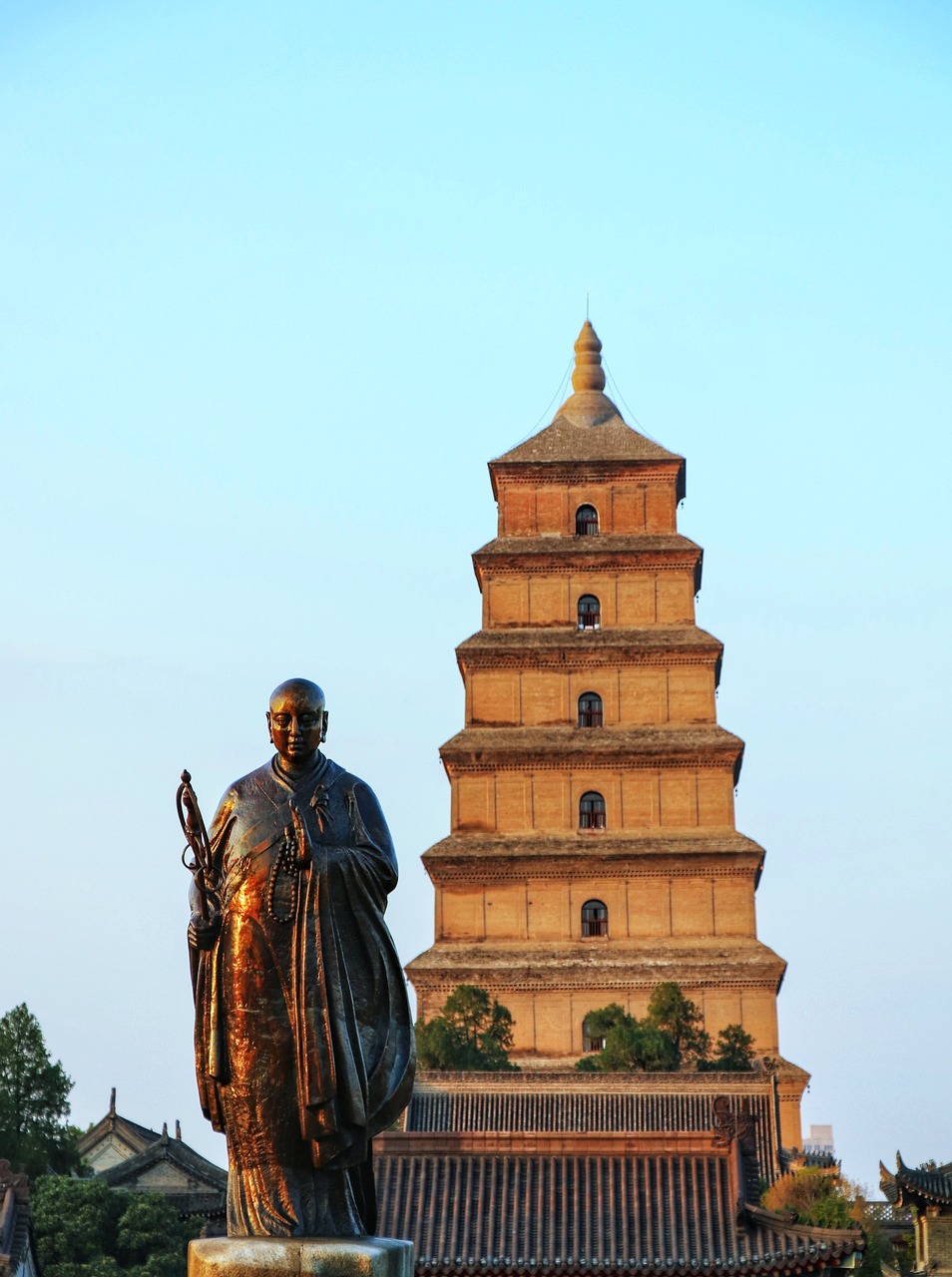
The Journey of Tang Seng: A Historical Perspective The legendary tale of Tang Seng, originating from the ancient Chinese novel Xi You Ji (Pilgrimage to the West), has captivated audiences in China for generations. This narrative is grounded in the life of the celebrated monk Xuanzang (602-664), who made significant contributions to Buddhism and its…
-

Spring in Ireland is traditionally marked by St. Brigid’s Day on February 1. This observance, however, might not be fully historically accurate, as it has ancient roots going back around 6,000 years to a pre-Christian era characterized by a lack of written records. In many ancient societies globally, female deities held a prominent position, and…
-

Belenus, also known as Belenos, Belinus, Bel, or Beli Mawr, is a significant deity from Celtic mythology, revered primarily as the god of the sun. By the 3rd century, he had become the patron god of Aquileia, an important city in Italy. Often referred to as the “Fair Shining One” or “The Shining God,” Belenus…
-

Wadjet, known by various names such as Wadjyt, Uto, and Buto, was one of the earliest deities in ancient Egypt. Her worship can be traced back to the Predynastic Period, evolving in significance over time. Initially revered as the local goddess of Buto (Per-Wadjet), her role expanded to that of the patron deity of Lower…
-

A past exhibition at the British Museum titled “Living with Gods” posited that religion is an integral aspect of the human experience. This notion has intrigued me, particularly in contemplating why religion exists and what function it serves. One of the primary reasons seems to be its role in interpreting the mysteries of our environment,…
-
The Legend of Medb: Queen of Connacht Background Medb, the daughter of the king of Tara, is a notable figure in Celtic mythology, known for her fierce temperament and significant influence. She became infamous for her ruthless act of killing her pregnant sister to claim the throne and subsequently united with Aillil, thus seizing control…
-

Atlas: The Titan of Endurance and Astronomy Atlas, a prominent figure in Greek mythology, was a Titan known for bearing the weight of the heavens upon his shoulders. His name signifies endurance, reflecting his role in the myths where he often faced immense burdens. Atlas led the Titans in their epic struggle against Zeus. Following…
-

In essence, Vesta embodies the divine aspects of ritual fire, the hearth, and domesticity, symbolizing virginity and purity. Appropriate offerings to her deity include modest plates of food, along with incense and milk. Vesta – The Goddess of Fire Among the pantheon of deities, Vesta is the one most regularly honored in the prayers within…
-
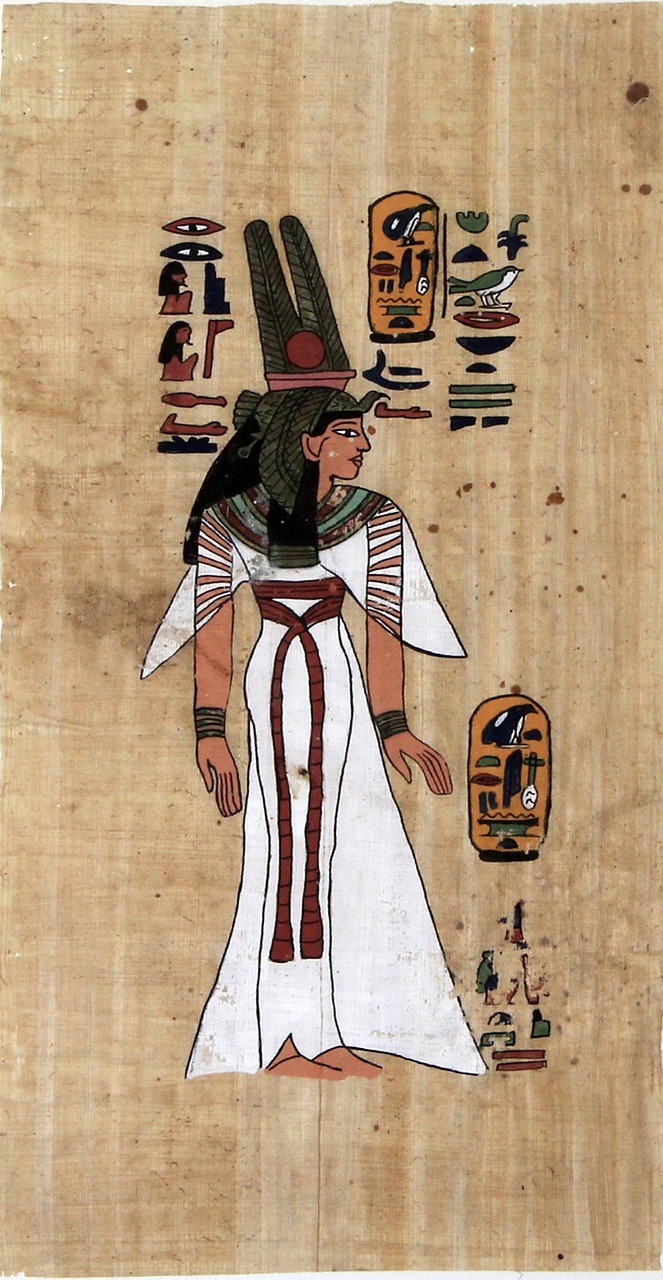
Montu: The Falcon-Headed God of War in Ancient Egypt Introduction In the pantheon of ancient Egyptian deities, Montu was revered as the god associated with the fourth Upper Egyptian region, believed to encompass modern-day Armant. His significance surged during the 11th dynasty when Thebes incorporated the territory and supplanted Hermonthis as the principal city. Montu…
-

Gaea: The Earth Goddess of Greek Mythology Gaea, also known as Gaia, was the primordial deity representing the Earth in Greek mythology. As one of the first elemental gods, she emerged during the initial stages of creation. Revered as the universal mother, Gaea was the progenitor of numerous deities and beings: her union with Ouranos…