Author: Sun WuKong
-
Sekhmet, the venerated goddess of war and healing in ancient Egypt, occupies a unique position among the divine figures of the time. Serving as the patron goddess of healers and physicians, Sekhmet was revered for her capability to inflict disease and offer cures. She was both feared and worshipped, embodying the dual forces of destruction…
-

In “Nox: Ici-Bas,” Yves Grevet introduces readers to a thrilling new chapter in the dystopian genre following his earlier works, “Méto,” “Seuls dans la ville,” and “L’école est finie.” The story is set in a dim metropolis shrouded in a dense mist known as the nox, where inhabitants must endlessly pedal or walk to generate…
-
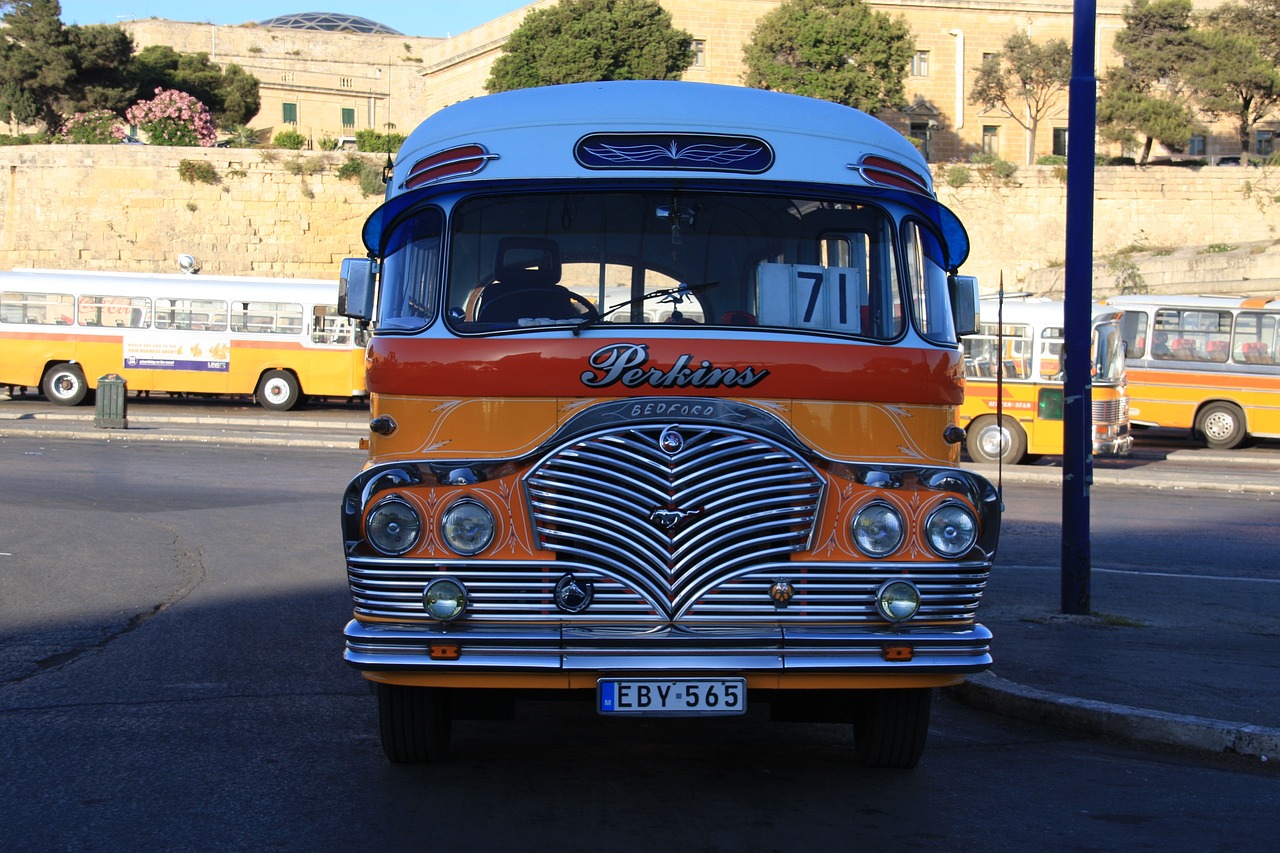
The Enduring Relevance of Terminus: Mysteries of Ancient Borders in Our Modern World Terminus, the god from ancient Rome, symbolizes the essence of boundaries and the protection of boundary stones. This exploration traverses the historical significance of Terminus to contemporary notions of borders. The neoliberal shift has tightened border controls, particularly in wealthy nations, while…
-
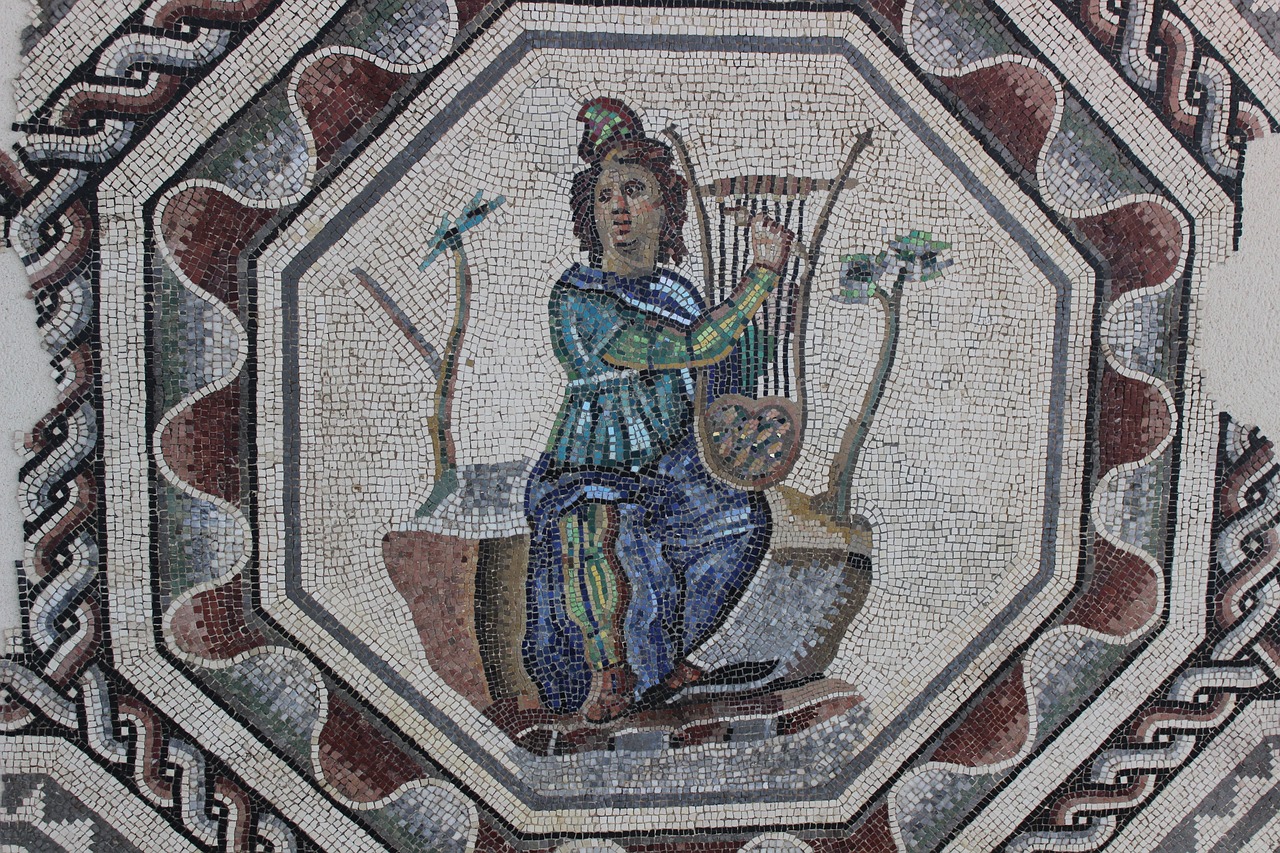
The tale of Orpheus and Eurydice epitomizes tragic romance, celebrated as one of the most renowned myths in Greek mythology. Its profound narrative has motivated remarkable artists, including notable figures like Peter Paul Rubens and Nicolas Poussin, and has influenced a range of operas, songs, and theatrical productions dedicated to this ill-fated couple, who were…
-
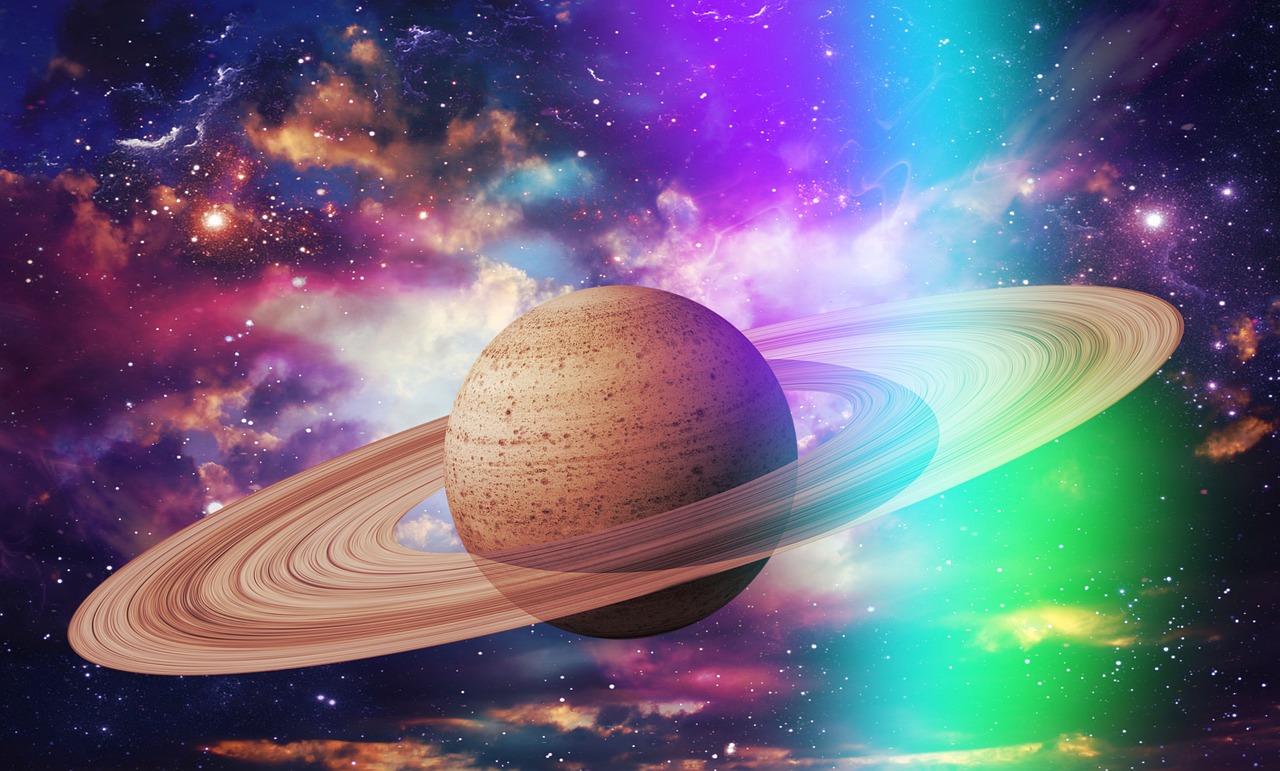
Understanding Saturn in Roman Mythology In Roman mythology, Saturn stands out as a deity linked deeply with agriculture, wealth, and the concept of time. Traditionally portrayed as a venerable figure with a long beard, often equipped with a sickle or scythe, Saturn embodies the notion of the “Golden Age,” a legendary era marked by prosperity…
-
The goddess Ammit, known also as Ammut or Ahemait, embodied divine retribution in ancient Egyptian mythology. Positioned next to the Ma’at scales, she was ready to consume the souls of the unworthy. Those who found themselves failing the judgment of the afterlife faced the dreaded second death and would not experience the serene fields of…
-
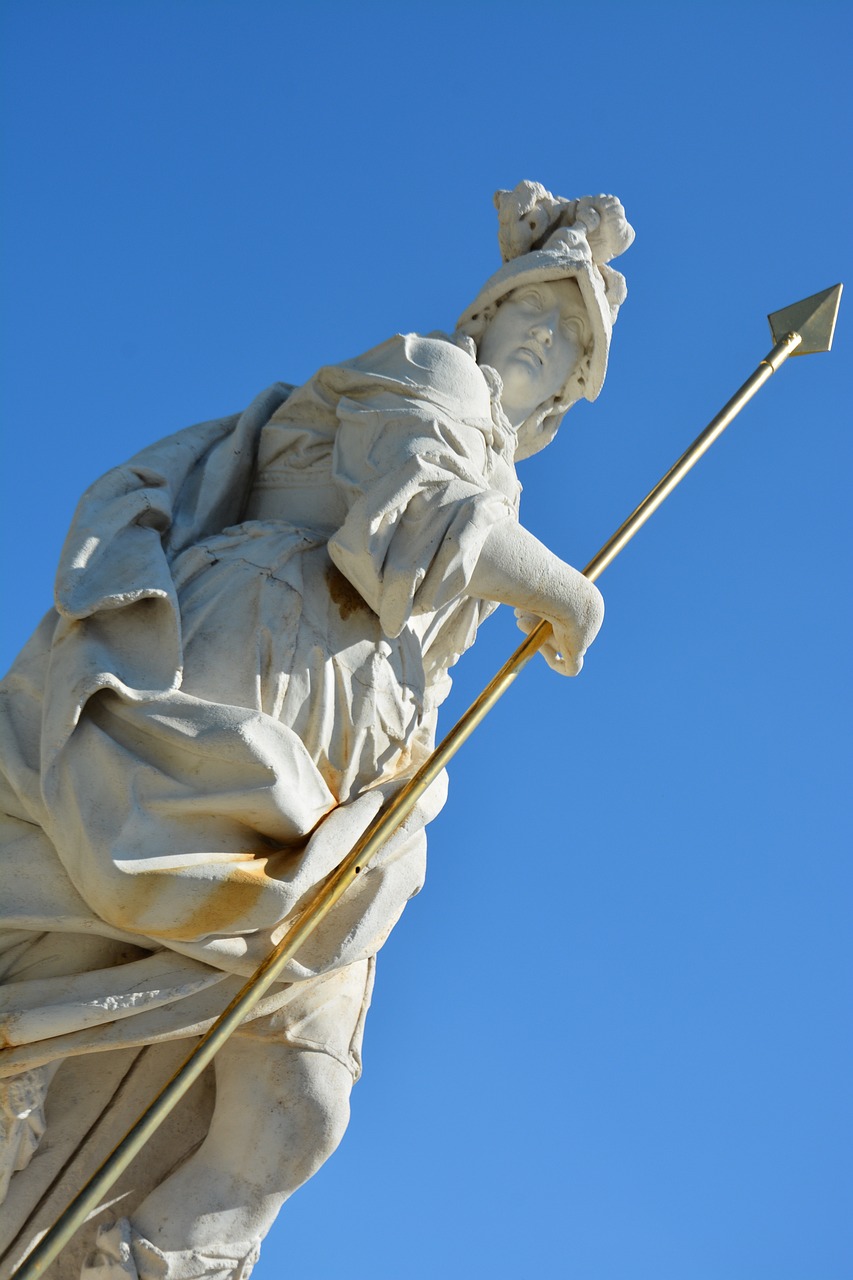
The Various Portrayals of Zeus in Art In the realm of Greek mythology, Zeus reigns supreme as the most powerful deity among the pantheon of gods. The deeper question arises: how did artists throughout history choose to envision this iconic figure? What characteristics would embody Zeus’s authority and significance? An exploration into various artistic representations…
-
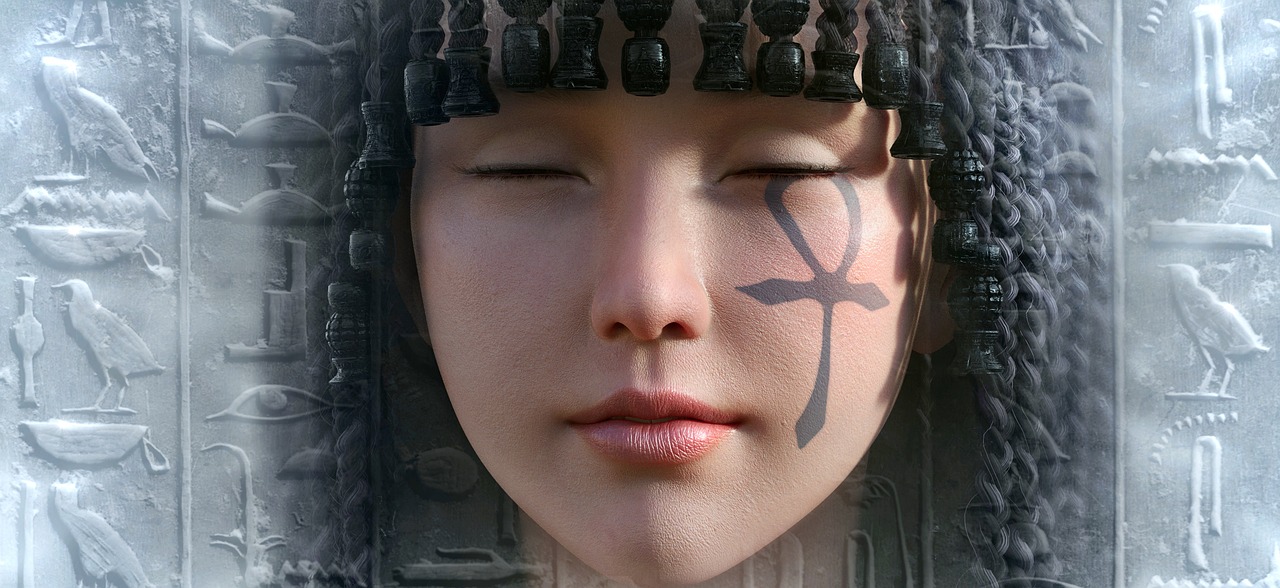
Aker, also referred to as Akeru, ranks among the oldest Egyptian deities associated with the earth. Historical texts suggest that he was venerated even before other earth gods like Geb emerged. Aker embodied the concept of the horizon and served as the sentinel for the eastern and western edges of the afterlife, facilitating the passage…
-
The Morrigan: A Key Figure in Irish Folklore Among the many fascinating mythological entities in Irish folklore, the Morrigan stands out as one of the most prominent. This ancient goddess is primarily linked to themes of war, fate, and death. An adept shape-shifter, she is particularly renowned for her ability to transform into a crow.…
-
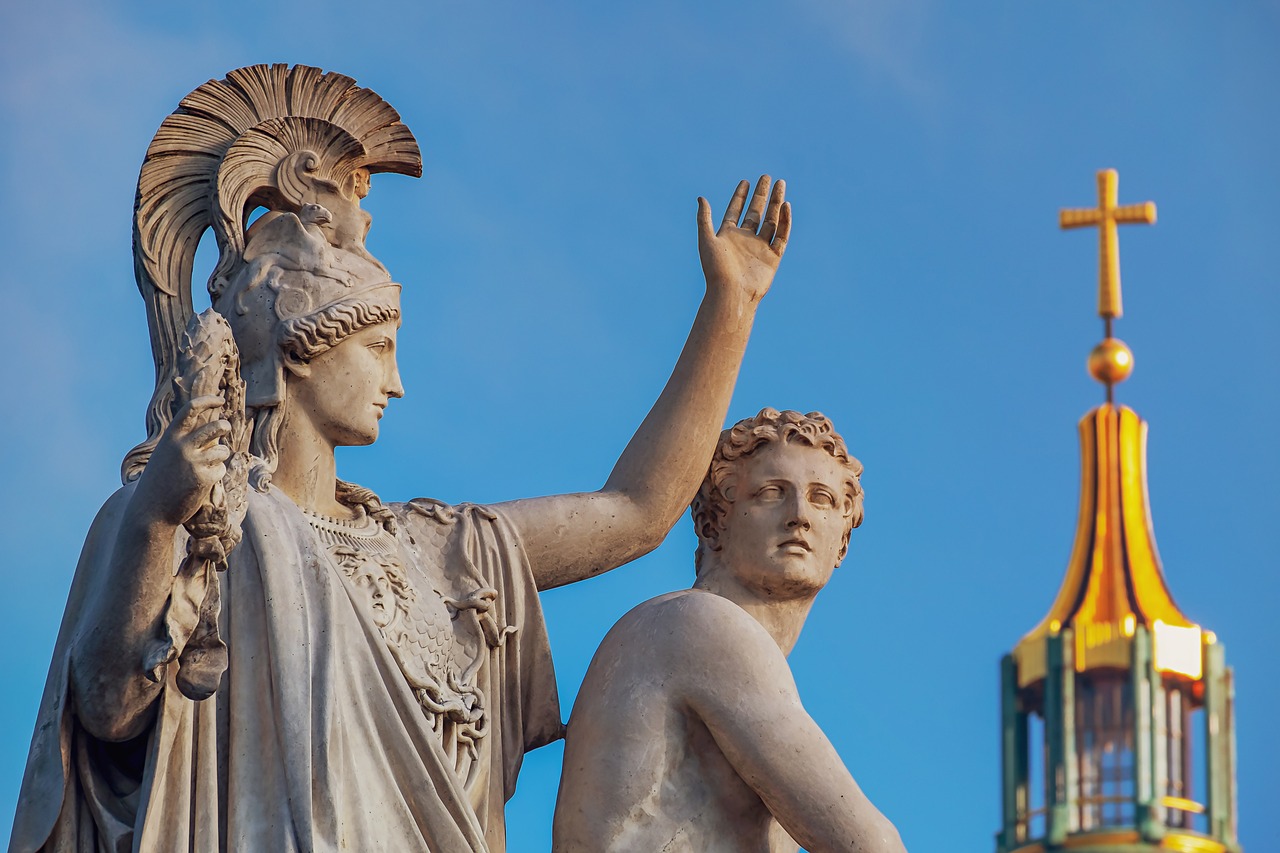
Greek mythology encompasses a rich tapestry of tales related to deities, heroes, and ancient rituals practiced by the Greeks, dating back to Classical antiquity. While figures like Plato recognized the fictional elements within these myths, they were primarily accepted as factual by the common people. Greek mythology has left a lasting impact on Western arts…