Author: Erlang Shen
-
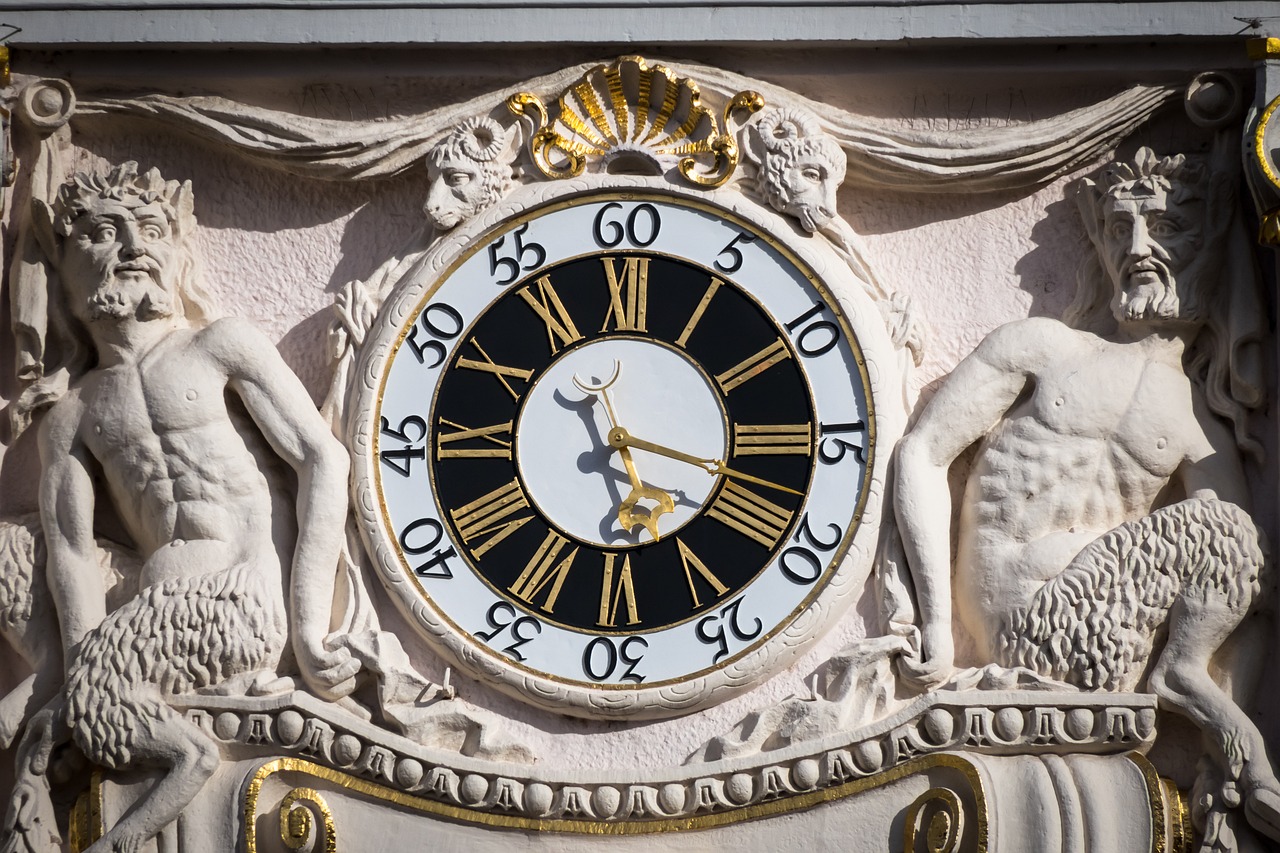
In ancient Roman mythology, Faunus, the horned deity associated with forests, meadows, and farmland, also went by the name Inuus, particularly when involved in cattle fertility. Over time, he became likened to the Greek god Pan within literary contexts. Considered one of the earliest di indigetes, Faunus was viewed as a mythological king of the…
-
Significant Rituals of Tlachtga in Ancient Ireland Located a mere twelve miles from Tara, Tlachtga, also known as the Hill of Ward, is a prominent site steeped in the Celtic religious traditions that flourished over two thousand years ago. Although overshadowed by the better-known Tara, Tlachtga warrants recognition for its own significant contributions to ancient…
-
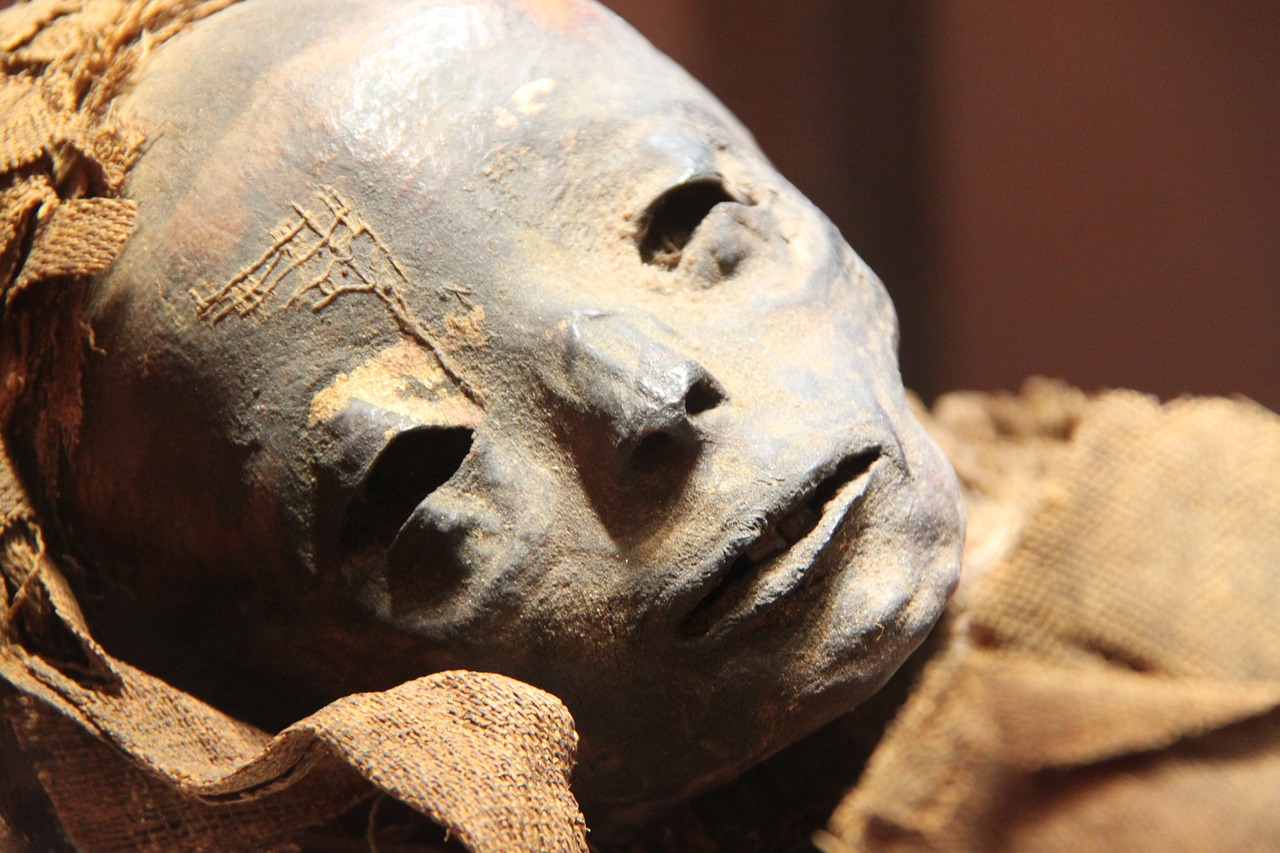
As the embodiment of truth, justice, and cosmic equilibrium in ancient Egyptian mythology, Ma’at held a significant position within the belief systems of her time. Her essence was crucial for instilling order and stability across the society. This piece delves into her myths, associated symbols, and her far-reaching powers. Understanding Ma’at in Egyptian Mythology Ma’at,…
-
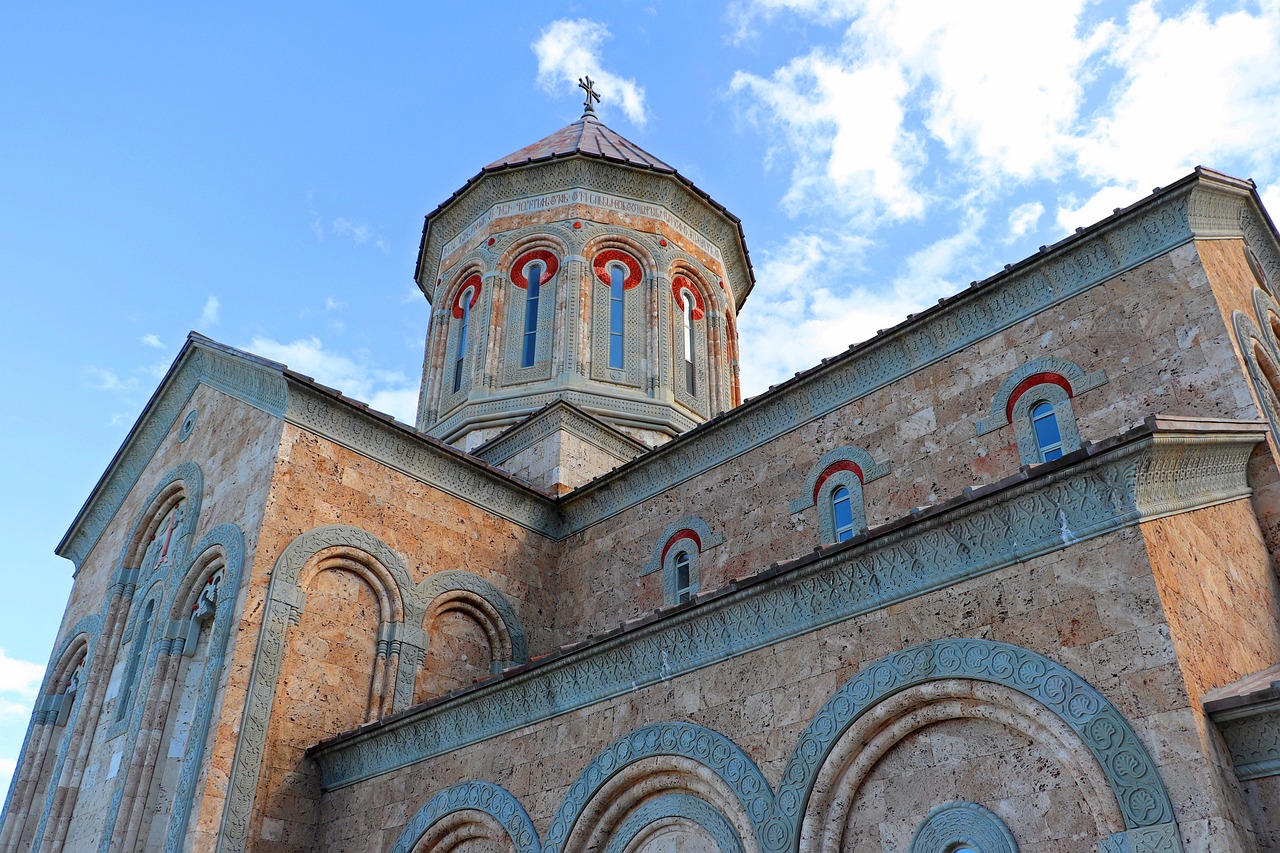
In the realm of Irish mythology, Bodb Derg, known as Bodhbh Dearg in Middle and Modern Irish, is depicted as the offspring of Eochaid Garb or the Dagda, the latter being central to many myths. He holds the notable position of being the successor to the Dagda as the ruler of the Tuatha Dé Danann.…
-
The Celtic deity Belenus was revered across many regions during his era. Shrines dedicated to him were uncovered throughout Europe, and records from the 3rd Century identify him as the patron god of the Italian city, Aquileia. His worship also extended to England, where the title of the Celtic King Cunobeline, who governed a significant…
-
The ancient Egyptian deity Ammit, known alternatively as Ammut or Ahemait, embodied the concept of divine punishment. Positioned next to the scales of Ma’at, she was prepared to consume the souls of individuals judged unworthy. Those who failed the afterlife’s examination faced the dreaded second death, dooming them to wander aimlessly for eternity instead of…
-
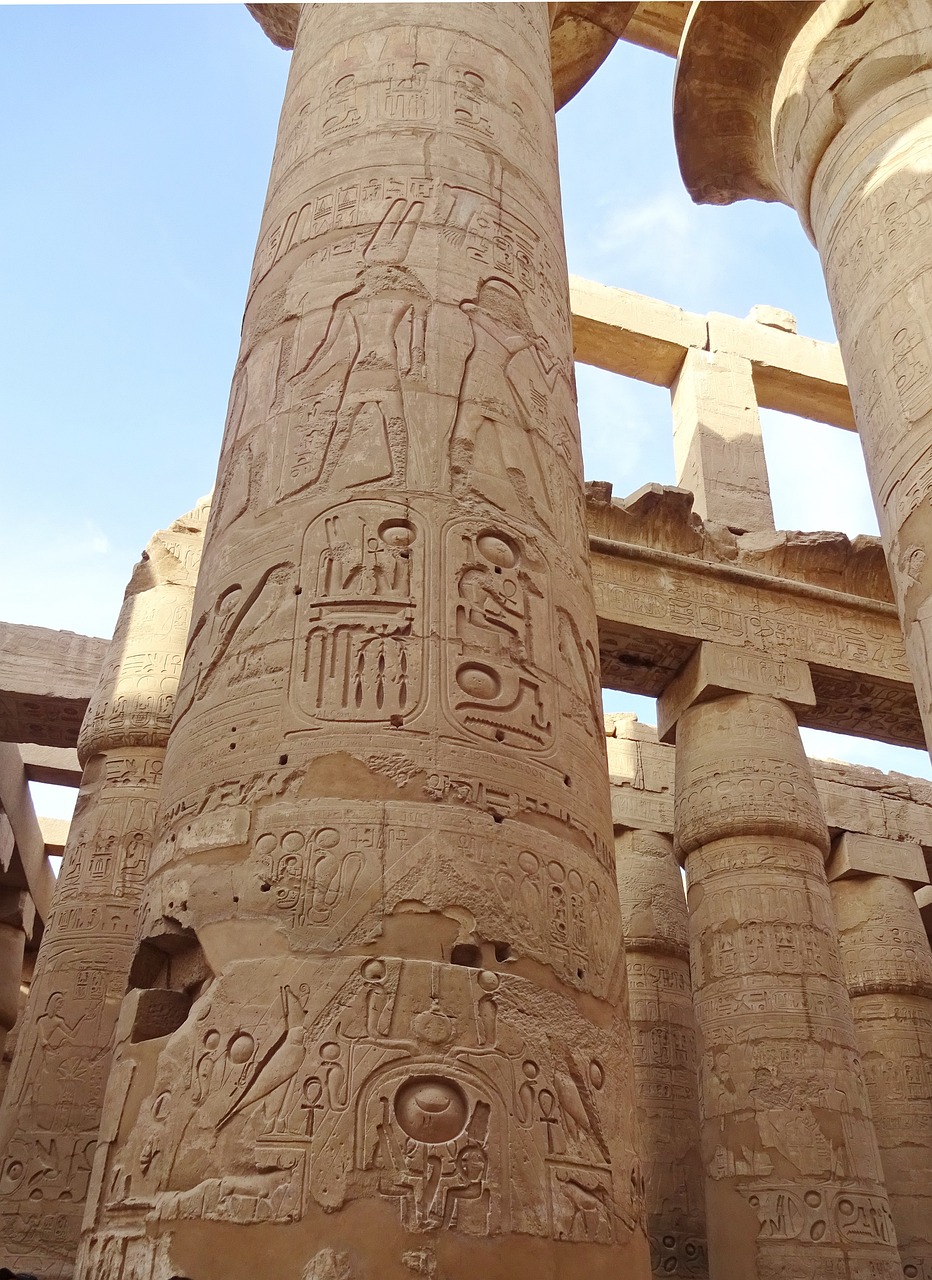
The Karnak Temple complex, dedicated to the worship of the god Amun-Re, served as the central religious hub in Thebes during Egypt’s New Kingdom period, spanning from 1550 to 1070 B.C.E. This site remains one of the largest religious structures worldwide. Rather than being a singular temple, Karnak encompasses several precincts, including those for the…
-
Awakening during Brigid’s Season As we approach Imbolc, the time of awakening in the northern hemisphere, we find ourselves at another pivotal moment. Imbolc, known as “Imbulk” or “Imbolg” in Old Irish, signifies ‘in the belly’ (with ‘bolg’ meaning ‘belly’ in Gaeilge, or the Irish language). This term is believed to relate to the pregnancy…
-
The Early Years of Cú Chulainn In ancient Ireland, there was a young lad known as Setanta, who would later be celebrated as Cú Chulainn. He resided in the vicinity of Dún Dealgan, contemporary Dundalk, alongside his father Sualtam, a valiant warrior, and his mother Dechtire. His uncle, Conchobar mac Nessa, ruled as the king…
-
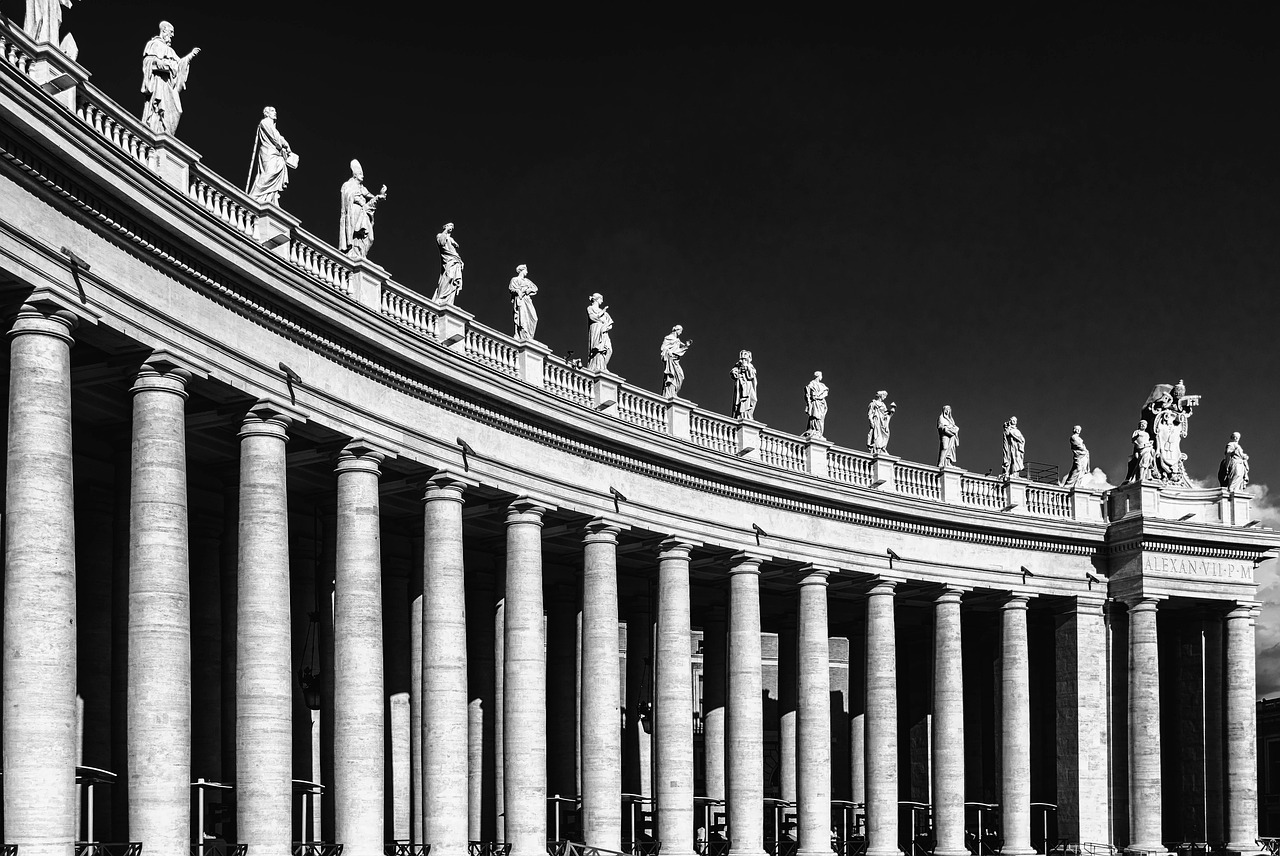
Experiences Worth Exploring in the Province of Rome Immerse yourself in exciting activities chosen by fellow travelers based on ratings and reservations. These experiences provide an opportunity to intimately engage with what the Province of Rome has to offer. Noteworthy Destinations in the Province of Rome The following attractions are compiled from Tripadvisor insights, evaluating…