Author: Erlang Shen
-
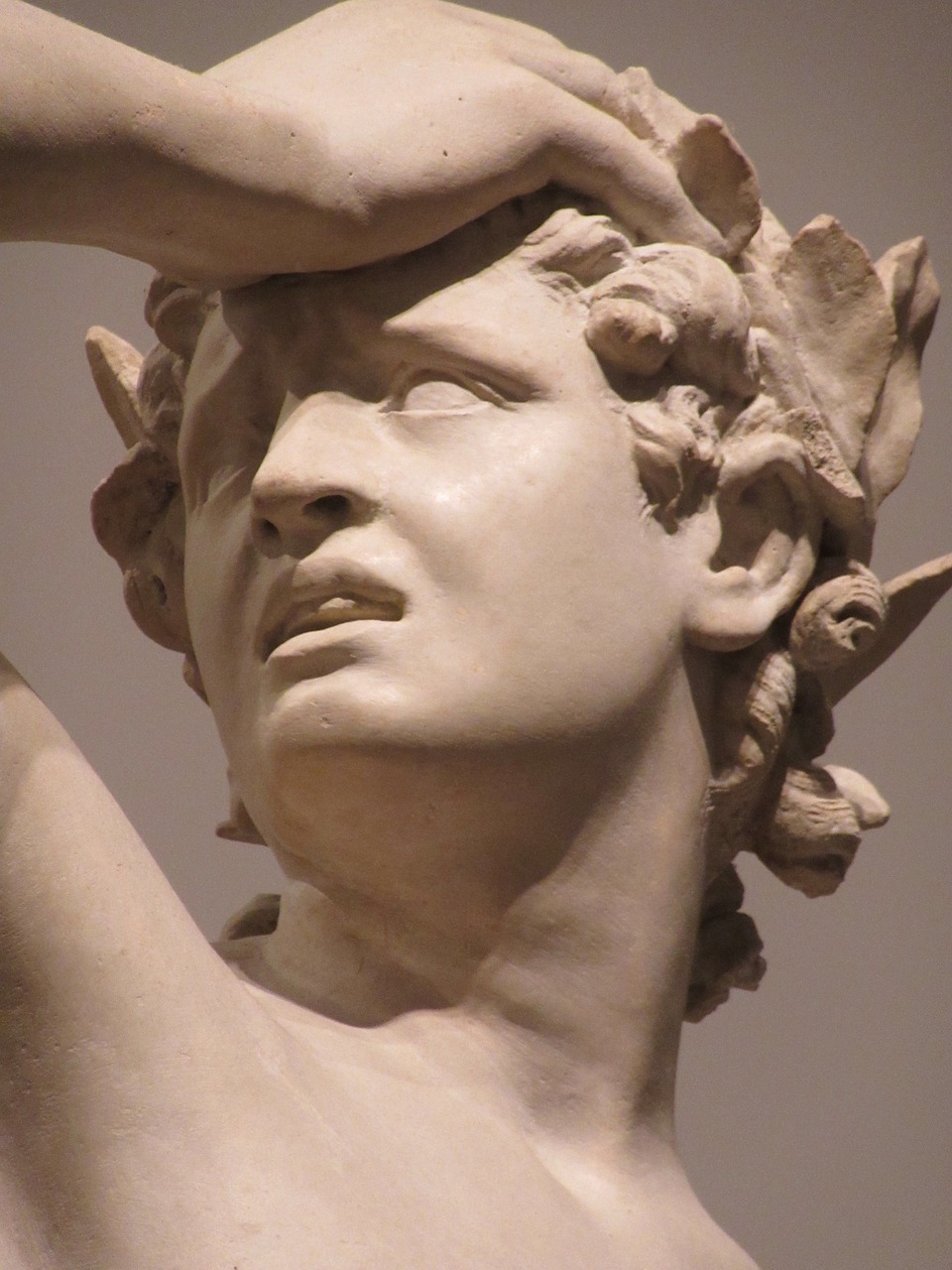
The Orpheus Myth: Its Enduring Influence in Opera The Myth The narrative of Orpheus originates from Ancient Greece, evolving from even more ancient tales. The most celebrated retellings are crafted by renowned Roman poets, Virgil and Ovid. Orpheus is depicted as an extraordinary poet and musician whose enchanting melodies from the kithara—a stringed instrument akin…
-

Tang Seng, known in English as Tripitaka (唐三藏 táng sān zàng), stands as a central figure in the classic Chinese novel “Journey to the West” (西游记 xī yóu jì). The narrative chronicling his epic expedition involves traveling to India to procure a collection of sacred Buddhist texts, aimed at disseminating Buddhist doctrines throughout China. Accompanying…
-
Cernunnos: The Mysterious Horned Deity Overview Cernunnos is regarded as the Gaelic god associated with wildlife and unspoiled natural landscapes. Known as the Horned One, he is seen as a bridge between humanity and the natural world, possessing the unique ability to harmonize the relationships between predator and prey. Despite being an enigmatic figure, his…
-
The ancient site of Tlachtga, located just twelve miles from the renowned Tara, serves as a pivotal piece of Celtic religious history, albeit overshadowed by its more famous counterpart. Tlachtga was the heart of the Great Fire Festival, marking the arrival of winter, where pre-Christian Irish rituals sought to reassure the community that light and…
-
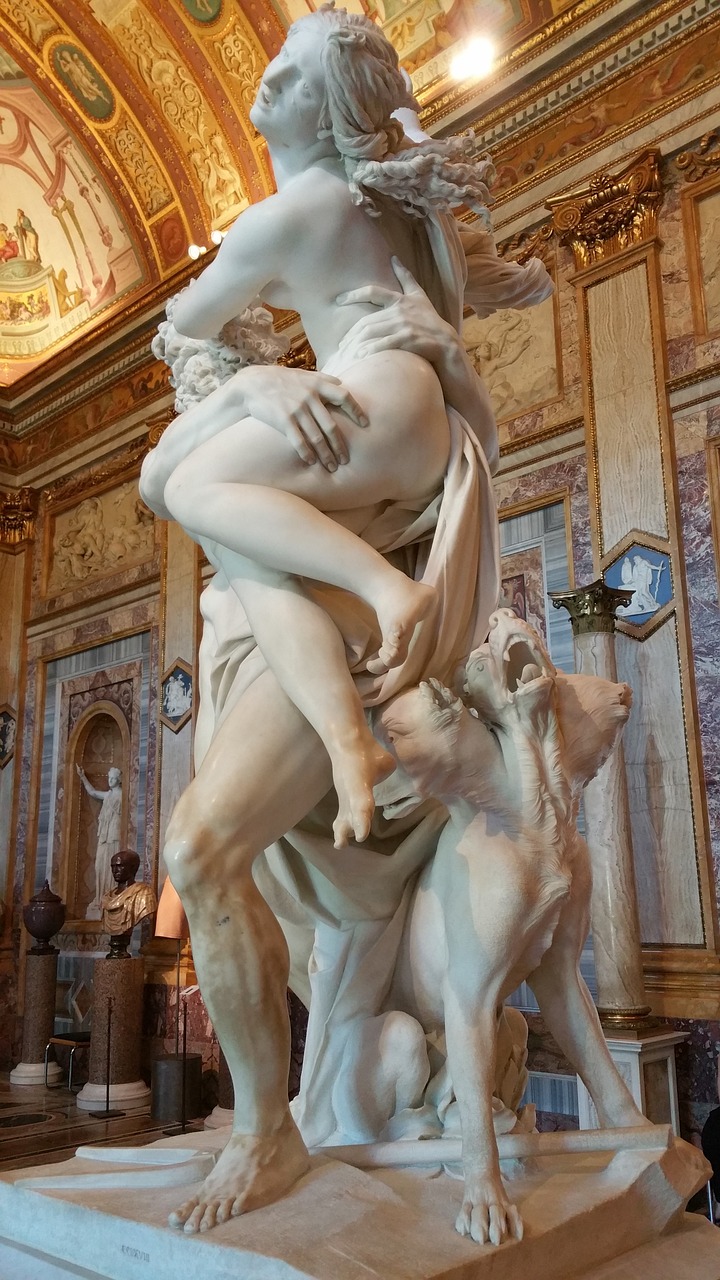
In Roman mythology, Proserpina, known as Persephone in Greek mythology, is a goddess associated with both the changing seasons and the underworld. Her impact extends beyond mere mythology, permeating various cultures and belief systems throughout history. Proserpina’s abduction by Pluto and her reign in the underworld exemplify her dual role as the Queen of the…
-
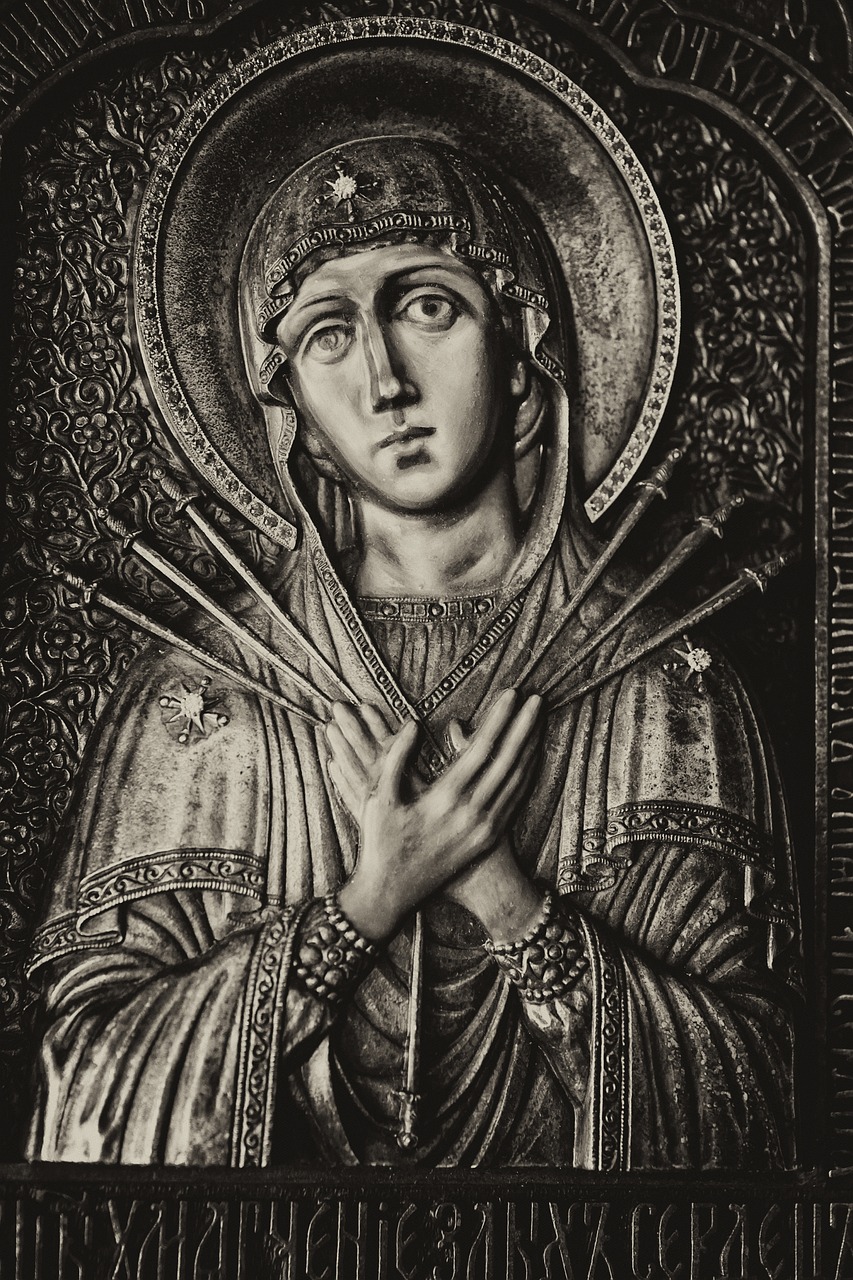
Neith, also referred to as Net, Neit, or Nit, is among the most ancient deities from Egypt, revered since the Pre-Dynastic Period (circa 6000 – 3150 BCE) and continuing her worship throughout the Ptolemaic Dynasty (323 – 30 BCE), the final dynasty before Roman dominion. As a multifaceted figure, she embodies many roles, including that…
-

Eris: The Goddess of Strife in Greek Mythology Eris, known as the embodiment of strife and discord, occupied a significant role within the pantheon of Greek mythology. Commonly associated with conflict and rivalry, she was particularly noted for the turmoil brought forth during the chaos of war. Her character was often linked to bloodshed and…
-
Background Bodhbh Dearg, known as Bov The Red, made his home in Sídh ar Feimhim located in Slievenamon, County Tipperary. Following the defeat of the Tuatha Dé Danann by the Gaelic tribes, he was appointed their King. Tales of Bodhbh Dearg Upon his selection as King, Bodhbh Dearg became aware of Lir of Sídh Fionnachaidh,…
-
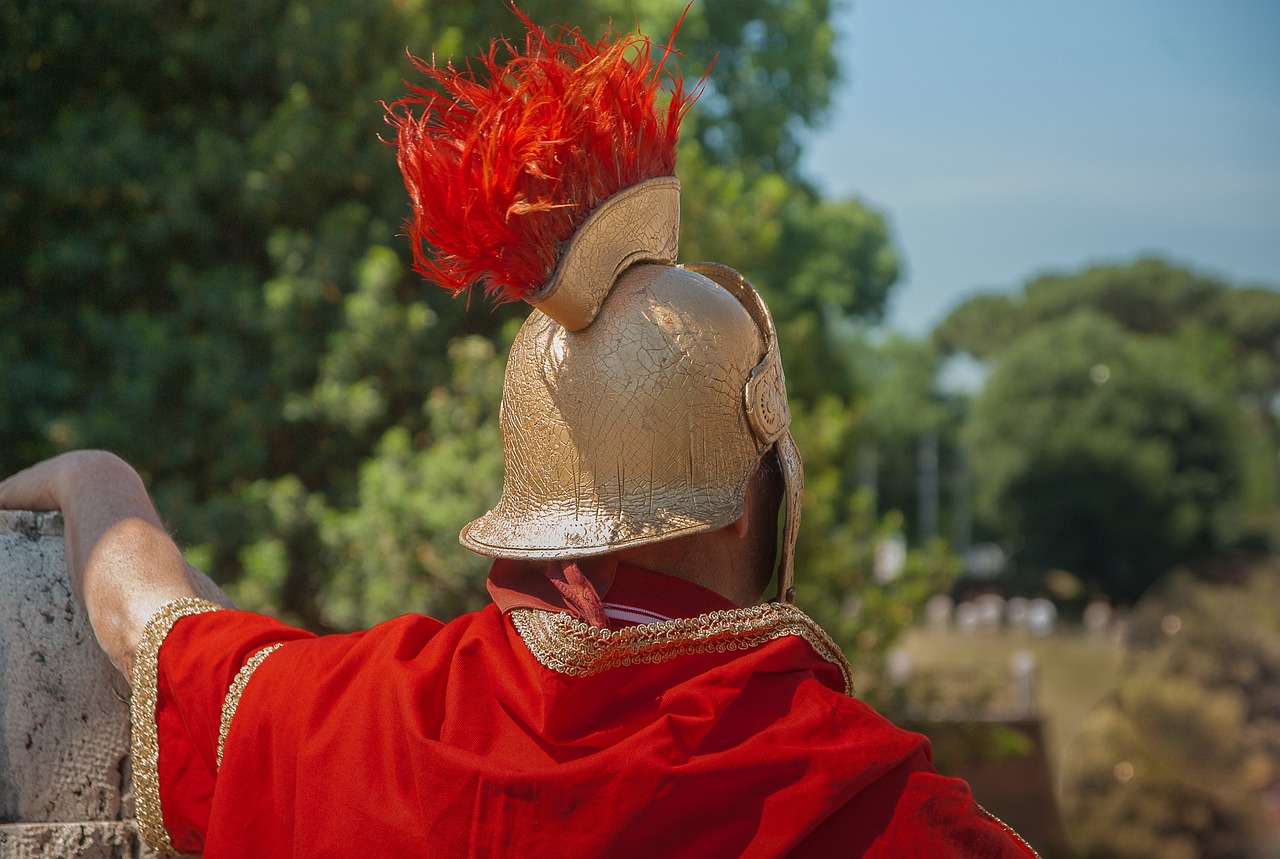
Overview of Neptune: The Roman God of the Sea Neptune stands as the Roman deity overseeing waters and seas, exerting control over winds and storms. Also identified as Neptunus Equester, he was celebrated as a horse god and the patron of horse racing, which was a favored pastime among Romans. The characteristics and stories associated…
-

Fionn mac Cumhaill is a prominent figure in Irish mythology, known for his role as a leader of the Fianna, a band of legendary warriors celebrated for their bravery and skills. Stories of Fionn abound throughout Ireland, but one of the most famous is linked to the stunning natural wonder, the Giant’s Causeway, located in…