Author: Erlang Shen
-
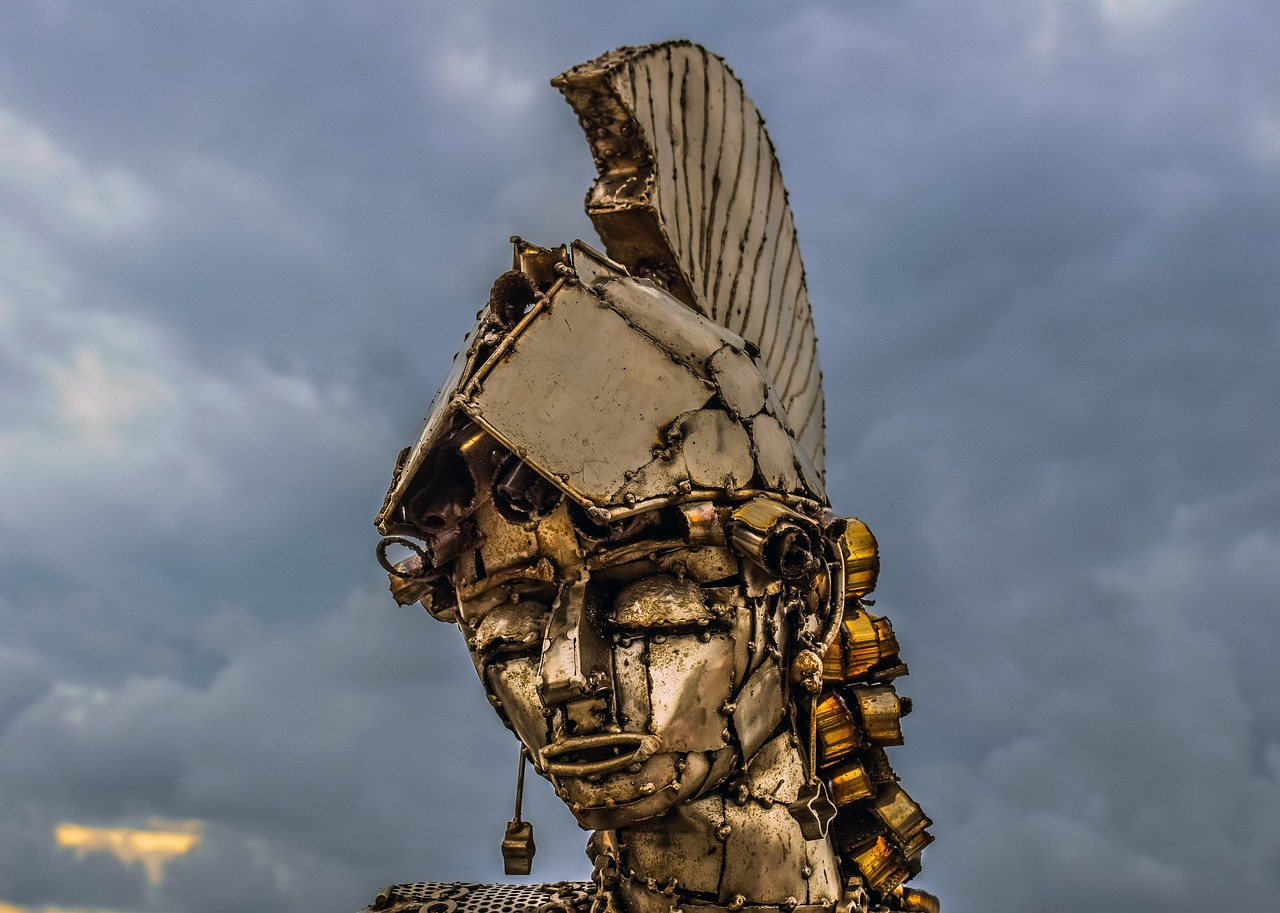
The Roman Empire left a significant mark on the world through advanced construction, logistical innovation, and sophisticated legal systems. Yet, with their profound influence came a troubling legacy—a form of cultural homogenization that often led to the erasure of diverse traditions. The Romans had a tendency to absorb and reshape the cultures they encountered, leading…
-
MINERVA: The Goddess of Wisdom Domains: Wisdom, trade, science, arts, medicine, crafts, professions, and war. Type: Major Deity Roman Name: Minerva Greek Equivalent: Athena Alternate Names: Minerva Medica, Minerva Achaea Festivals: Quinquatria (March 19-23), Minor Quinquatria (June 13) Temples: Temple of Minerva Medica, Delubrum Minervae Overview Minerva stands out among deities due to her diverse…
-
Zeus, the chief deity of ancient Greek religion, is a figure deeply rooted in myth and culture, synonymous with the Roman god Jupiter. His name likely has its origins in the sky god Dyaus, found in ancient texts like the Rigveda. Revered as the overseer of thunder, lightning, rain, and winds, Zeus wielded the thunderbolt…
-
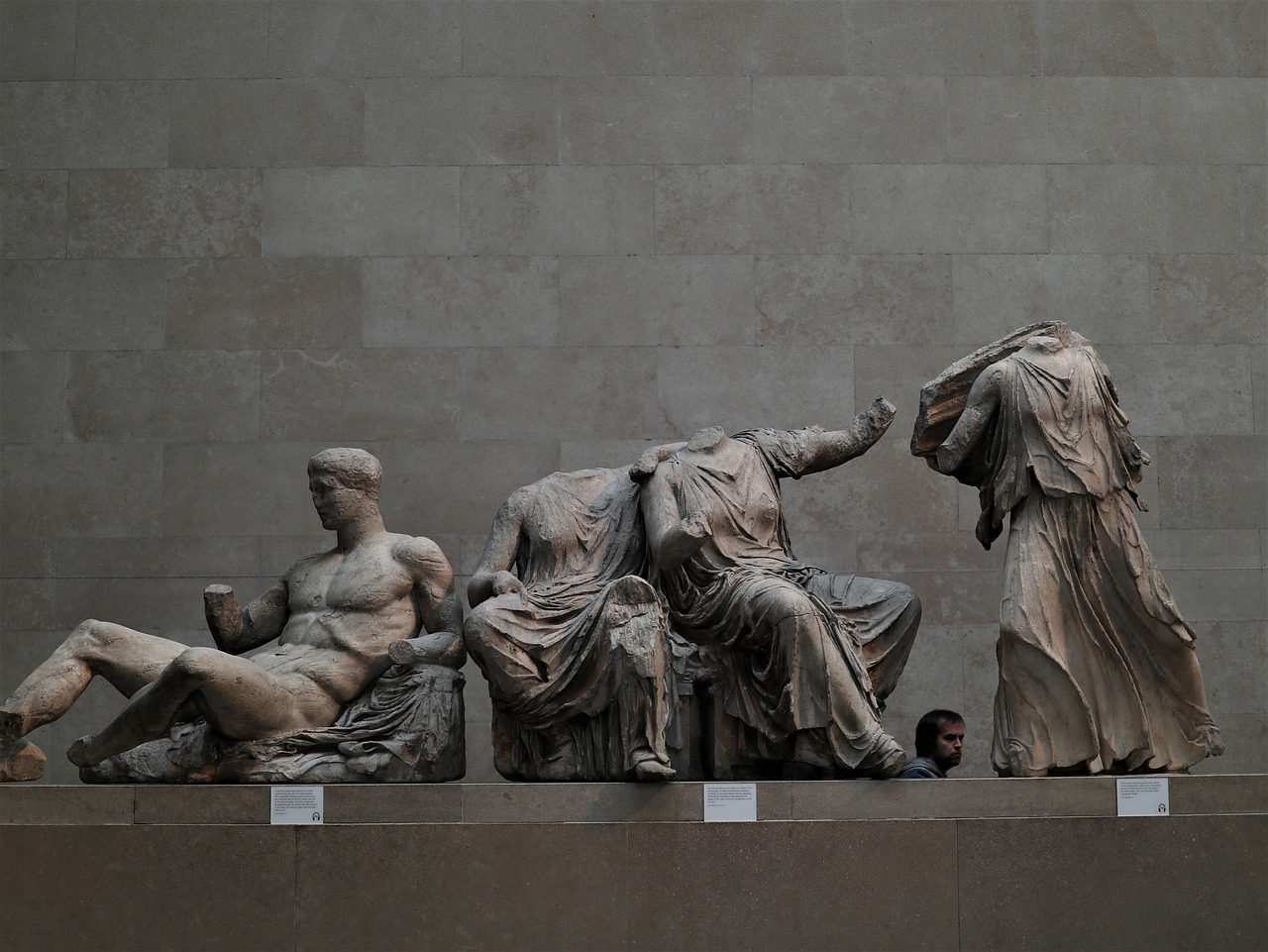
DIONYSUS: The God of Wine and Festivity Dionysus, also known as Bacchus, is revered as the Olympian deity of wine, vegetation, joy, revelry, and ecstasy. His portrayals vary, with depictions ranging from an elderly bearded figure to a youthful, effeminate beauty adorned with flowing hair. His most significant symbols include the thyrsos, a staff topped…
-

Ra: The Sun God of Ancient Egypt Ra, also known as Re, represents one of the most ancient and essential deities within the ancient Egyptian pantheon. Over time, this solar god became intertwined with other significant figures such as Horus, culminating in the composite deity Ra-Horakhty, which signifies the morning sun. Ra is also connected…
-
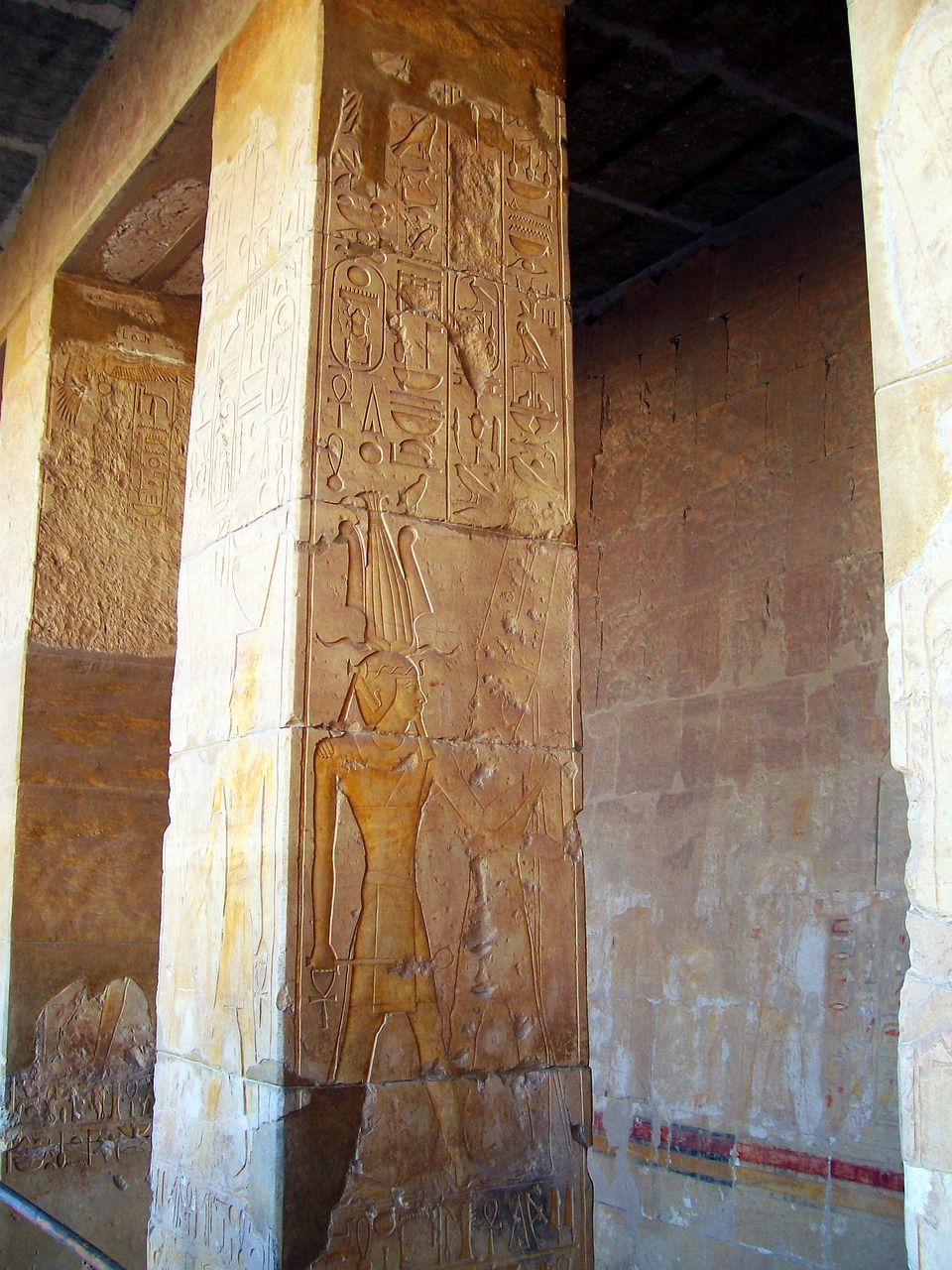
Hieroglyphic Writing: An Overview Hieroglyphic writing is a unique system that combines pictorial signs, which serve dual roles as representations of objects as well as phonetic symbols. The term “hieroglyphic,” derived from a Greek word meaning “sacred carving,” first appeared in the works of Diodorus Siculus during the 1st century BCE, although prior Greek references…
-

The tales surrounding Fionn Mac Cumhaill are deeply woven into the fabric of Irish mythology, captivating generations with stories of valor and adventure. Often associated with names like Finn McCool or Finn MacCool, Fionn’s legacies range from the enchanting Giant’s Causeway to the famed Salmon of Knowledge. This guide delves into the rich narrative, tracing…
-
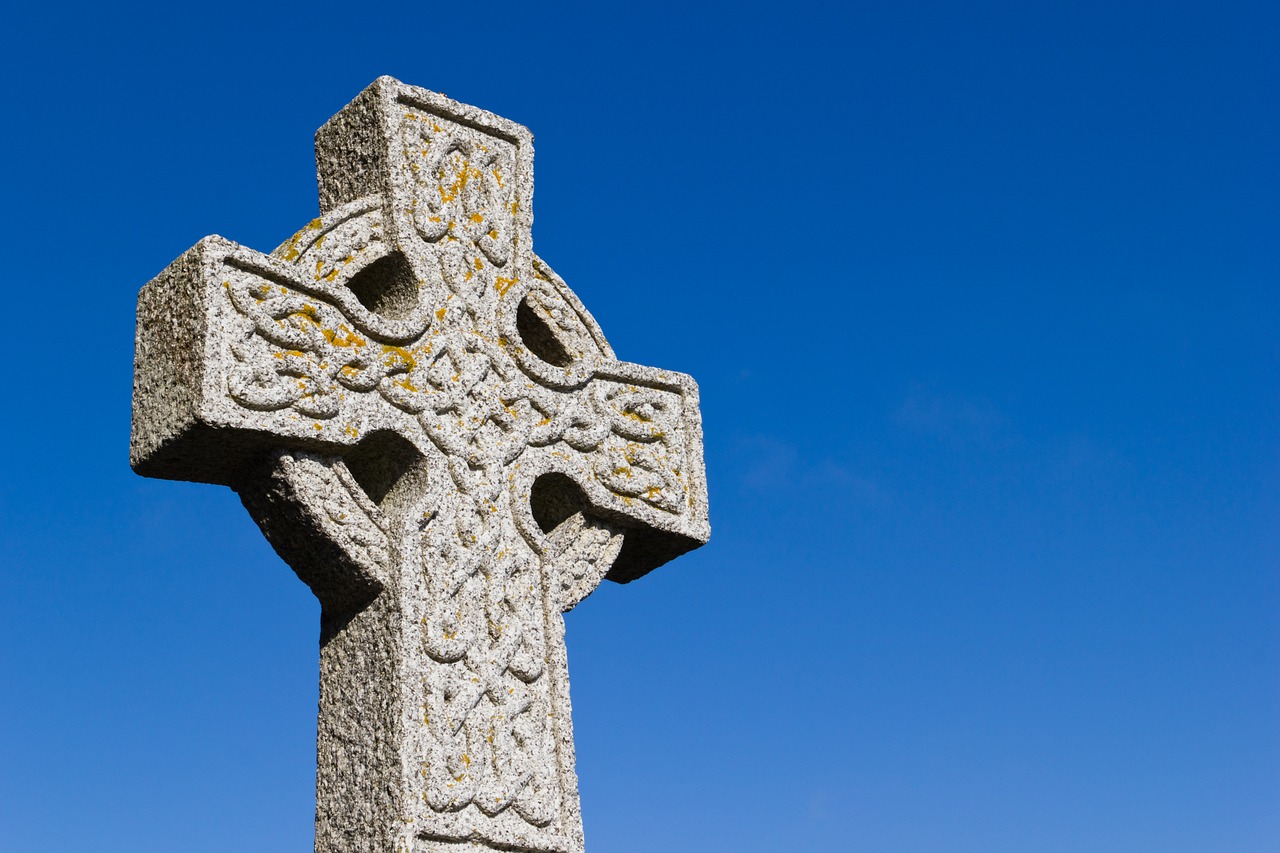
Grannus: The Celtic God of Healing and Light Grannus, a significant figure in Celtic mythology, is revered as a deity associated with the sun, healing, and illumination. His worship was notably influenced by Roman culture, extending throughout Europe, with sacred sites including the renowned thermal springs of Aquisgrán in Germany. Often portrayed alongside horses and…
-

While much focus is often placed on the deities of the sun in ancient Egyptian worship, the moon gods deserve equal attention. One such deity, Khonsu, has a rich history worth exploring. Initially, Thoth was the primary moon god, embodying wisdom and the passage of time; however, as Egyptian mythology progressed, Khonsu emerged as the…
-

Egyptian mythology is rich with captivating deities, and among them, Osiris emerges as a particularly significant figure. The stories surrounding Osiris, the god of the afterlife, are filled with intrigue and depth, shedding light on ancient beliefs and cultural practices. This exploration delves into the myths, powers, and enduring legacy of Osiris. Who is Osiris?…