
Author: Erlang Shen
-
Overview of Nüwa in Chinese Mythology In the rich tapestry of Chinese mythology, Nüwa (女媧) stands as a prominent figure known as the first entity capable of procreation and the originator of mankind. In deeply matriarchal ancient Chinese society, her importance was accentuated as the mother of all humans, establishing her as a revered deity.…
-

Understanding the Jade Emperor in Daoist Beliefs Definition The Jade Emperor, or Yu Huang Da Di in Chinese culture, is venerated as the paramount deity within Daoism. Often seen as the sovereign of both Heaven and Earth, he embodies the essence of authority and justice. His significance permeates various religious practices, artistic portrayals, and cultural…
-

Exploring the Jade Emperor: The Supreme Deity of Chinese Mythology The Jade Emperor, or Yu Huang, is an iconic figure in Chinese mythology, embodying the essence of supreme authority, wisdom, and virtues like compassion and fairness. His character reflects the cosmic order and the political infrastructure of ancient China. Key Points The Jade Emperor is…
-

The Jade Emperor: A Pinnacle of Chinese Mythology The Jade Emperor, also known as Yu Huang or Yu Huang Shang Ti, stands as a significant deity in the realm of Chinese mythology. His representation embodies ultimate power, wisdom, and ideals such as compassion and justice, which mirror both the concept of Heaven and the ancient…
-

Osiris, a pivotal deity in ancient Egyptian mythology, held significant importance due to his dual role as both a god of fertility and the ruler of the underworld. His origins can be traced back to the locality of Busiris in Lower Egypt, and evidence suggests he may have originally represented chthonic fertility. By circa 2400…
-
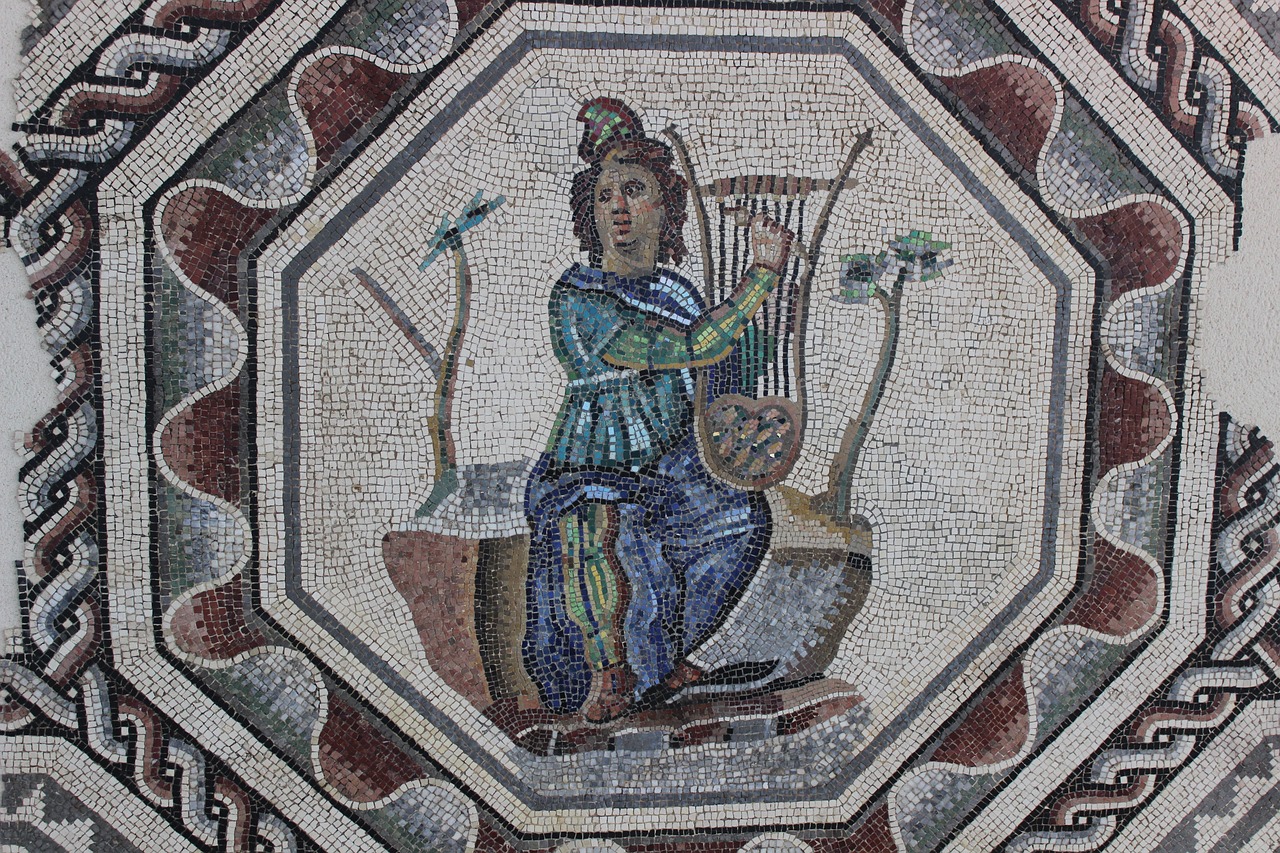
The legend of Orpheus, a transcendent musician, has roots tracing back to the sixth century BCE. By the fourth century BCE, philosophers like Plato began expressing thoughts on the tale of Orpheus and Eurydice. Current primary texts documenting this myth include Virgil’s Georgics and Ovid’s Metamorphoses. The Tale of Orpheus and Eurydice Gifted with a…
-
Hnoss: The Divine Goddess of Radiance in Norse Mythology Hnoss, the enchanting offspring of Freyja and Óðr, occupies a significant position in the realm of Norse mythology. As part of the Vanir, the deities associated with fertility and prosperity, she is imbued with divine attributes that add to her allure. This exploration seeks to uncover…
-
The Allure of Hnoss in Norse Mythology Hnoss, the enchanting offspring of Freyja and Óðr, occupies a notable position in the rich narratives of Norse mythology. Being a part of the Vanir—deities signifying fertility and wealth—her heritage endows her with divine traits, making her a compelling figure within this ancient mythological framework. Let’s explore the…
-

Hnoss is a prominent figure among the Vanir deities, revered as the goddess of beauty and desire. Alongside her twin sister Gersemi, she is a daughter of Freyja and Odr, and their identities are deeply intertwined with themes of allure and treasure. Overview of Hnoss Tribe: Vanir Domains: Beauty, desire, love, lust, sisterhood, temptation, and…
-

Hnoss is a captivating figure within Norse mythology, celebrated as the Vanir goddess embodying beauty and desire. Together with her twin sister Gersemi, she is recognized as one of the daughters of the prominent deities Freyja and Odr, and their allure is legendary. Quick Overview Tribe: Vanir Representing: beauty, desire, love, lust, sisterhood, temptation, and…