-

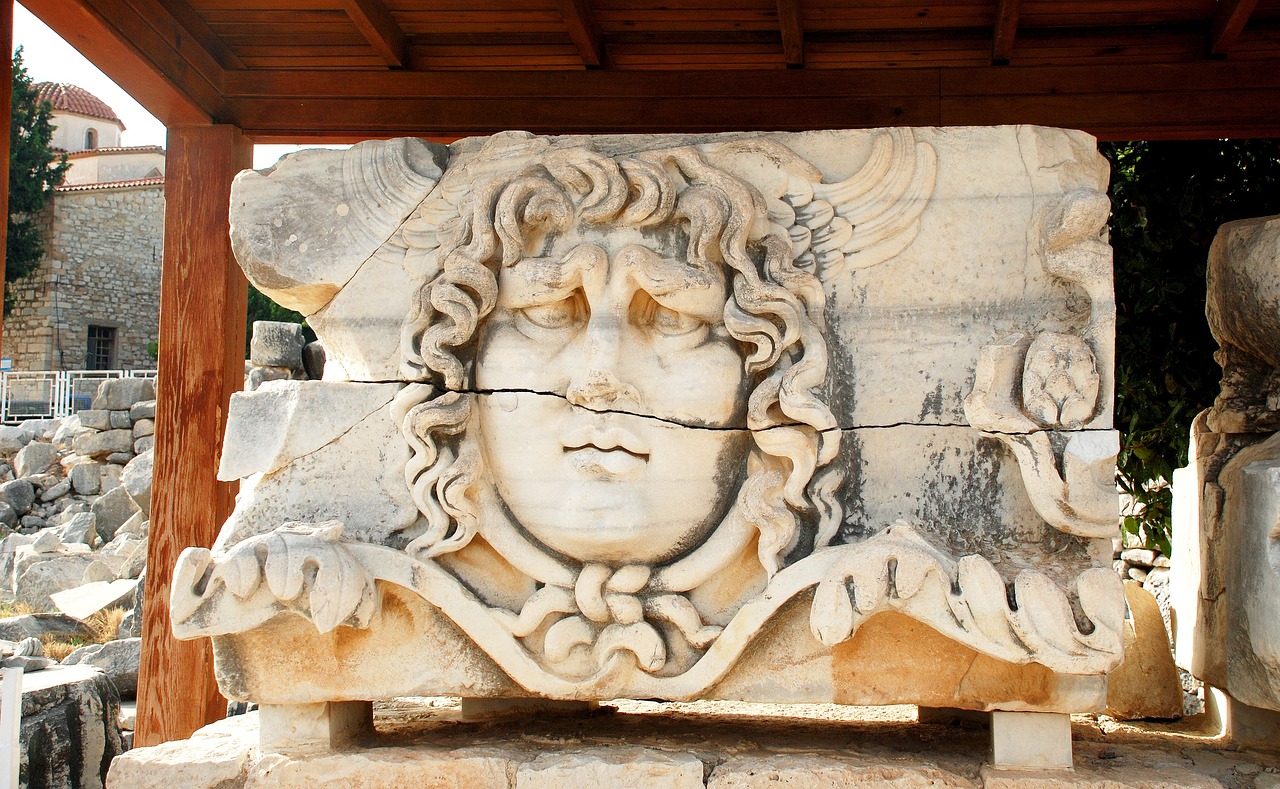
Venus, a goddess known in ancient Italy, was originally associated with agriculture, fields, and gardens, but was later identified with the Greek goddess of love, Aphrodite, by the Romans. The renowned statue, Venus de Milo, created around 150 BCE, epitomizes her transformation into the figure of love as recognized globally today. In early Roman tradition,…
-
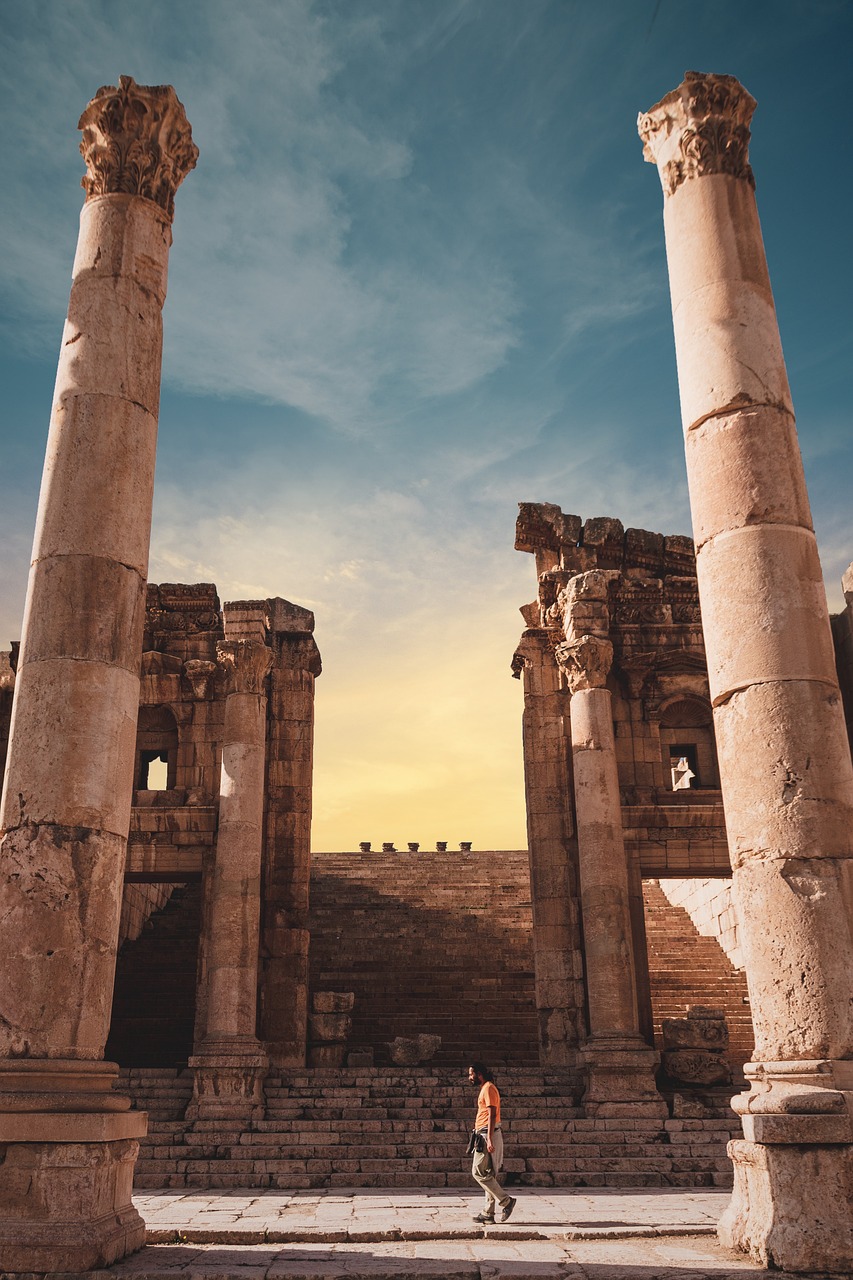
Mors, regarded as the ancient Roman deity of death, was also known by the names Letum and Orcus. He is closely related to both the Greek god Thanatos and the Etruscan deity Charun, though his worship was relatively limited, and information regarding him is scant. In the realm of Roman mythology, Mors was commonly depicted…
-

Life in ancient Egypt revolved significantly around the annual flooding of the Nile and the consequent fertility it endowed upon the land. It is thus evident that these vital elements are woven into the fabric of Egyptian spirituality through the figure of the crocodile god, Sobek. Initially perceived as a local deity, Sobek’s influence surged…
-
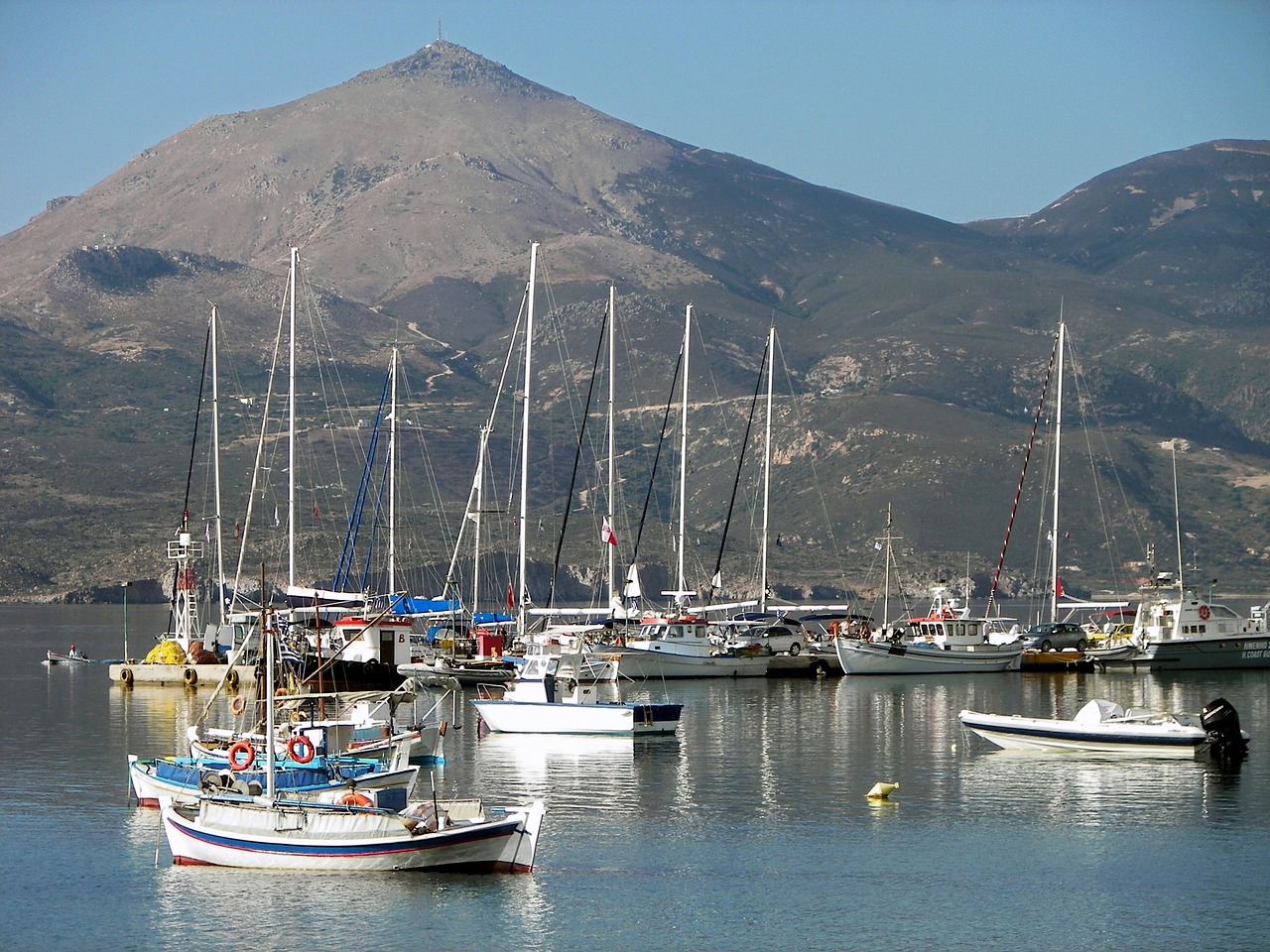
Odysseus, a central character in Homer’s renowned epic, the Odyssey, is celebrated as a pivotal figure in Western literary tradition. The narrative depicts Odysseus as the King of Ithaca, the offspring of Laertes and Anticleia (descendant of Autolycus from Parnassus), and the devoted husband of Penelope and father to Telemachus. In later interpretations, his lineage…
-

Hades, the deity of the underworld in ancient Greek mythology, was known by several names including Aïdes, meaning “the Unseen,” and Pluto, which translates to “the Wealthy One” or “the Giver of Wealth.” As a son of Titans Cronus and Rhea, he was part of the significant Olympian family, which included his brothers Zeus and…
-
The Roman Empire, a monumental ancient civilization, was established in 27 BCE in the city of Rome after the fall of the Roman Republic. It persisted until the decline of the Western Empire in the 5th century CE. Here is a condensed overview of this vast empire, while a more comprehensive exploration can be found…
-
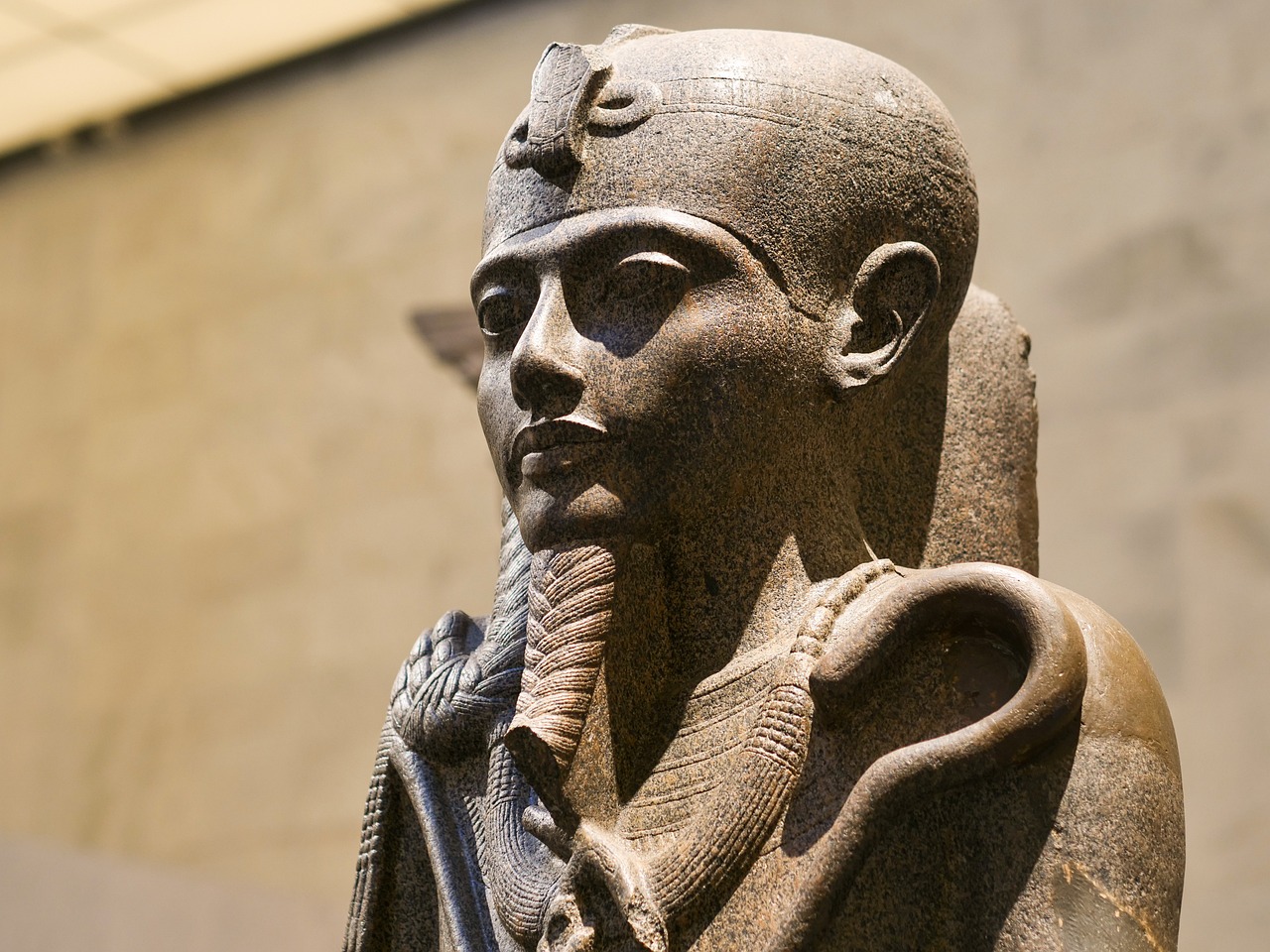
In exploring Ancient Egyptian deities, the topic of moon gods is often overshadowed by their sun counterparts. Thoth, initially recognized as the chief moon god, gradually evolved into a broader symbol of wisdom and time, leading to Khonsu assuming the moon deity role. Later, during the Late Period, Iah emerged similarly, as Khonsu’s identity shifted…
-
Imhotep: The Architect and Polymath of Ancient Egypt Imhotep, known in Greek as Imouthes, flourished around 2667-2600 BCE and stands out as one of ancient Egypt’s most remarkable figures. Renowned primarily as the architect behind King Djoser’s Step Pyramid in Saqqara, his name translates to “He Who Comes in Peace.” He holds the unique distinction…
-
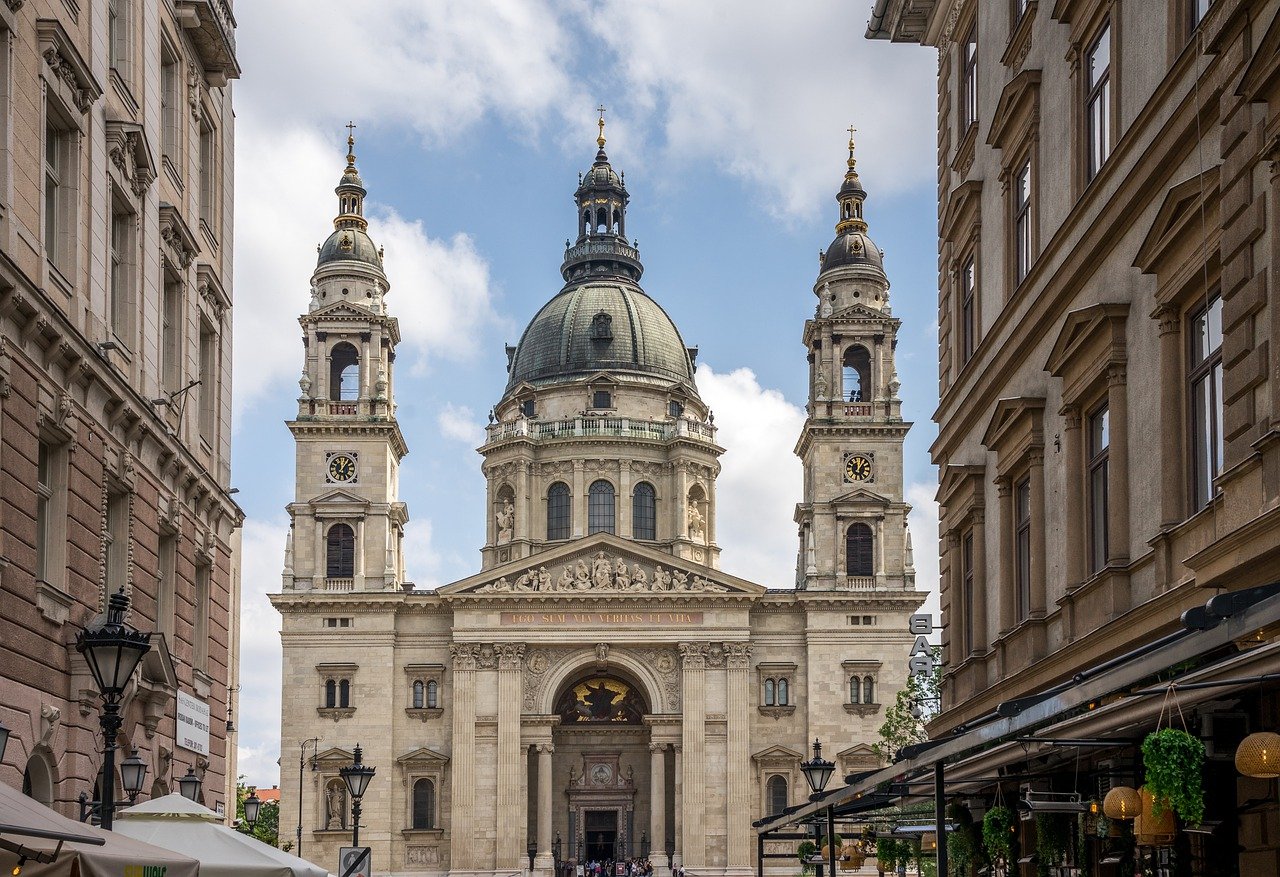
Roman Religion: Beliefs and Practices from Classical Antiquity Roman religion, also referred to as Roman mythology, encompasses the beliefs and customs practiced by the people of the Italian peninsula from ancient times until the rise of Christianity in the 4th century CE, within a timeframe known as Classical antiquity. The Romans, particularly articulated by the…
-

An Overview of Nuada of the Silver-Hand Nuada of the Silver-Hand stands as a prominent figure within the rich tapestry of Irish mythology, hailed as the inaugural king of the Tuatha dé Danann. Renowned for his integrity and judicious leadership, Nuada guided his people to prehistoric Ireland, engaging in fierce confrontations against the formidable Fomorians.…