-

The Conflict: Sun Wukong vs. Olympian Gods In the ongoing debate surrounding the might of Sun Wukong, the Monkey King, against the twelve Olympian gods, various opinions have surfaced over years of discussion. Wukong is a character deeply rooted in Chinese mythology, showcasing extraordinary abilities and feats that often spark admiration and intrigue. Sun Wukong’s…
-

While Eros in Greek mythology and his Roman counterpart Cupid are commonly recognized as the quintessential deities of love, they are far from the only divine entities associated with romance. Irish mythology is filled with narratives of ill-fated lovers, prominently featuring Aengus Óg, the god of love and youthful joy. Often found intertwining within these…
-

Persephone: Queen of the Underworld Persephone, also known as Kore or Core, was a pivotal figure in Greek mythology, embodying both the queen of the underworld and the goddess of spring growth. As the spouse of Hades (Haides), she was honored alongside her mother, Demeter, in sacred rites known as the Eleusinian Mysteries, which promised…
-
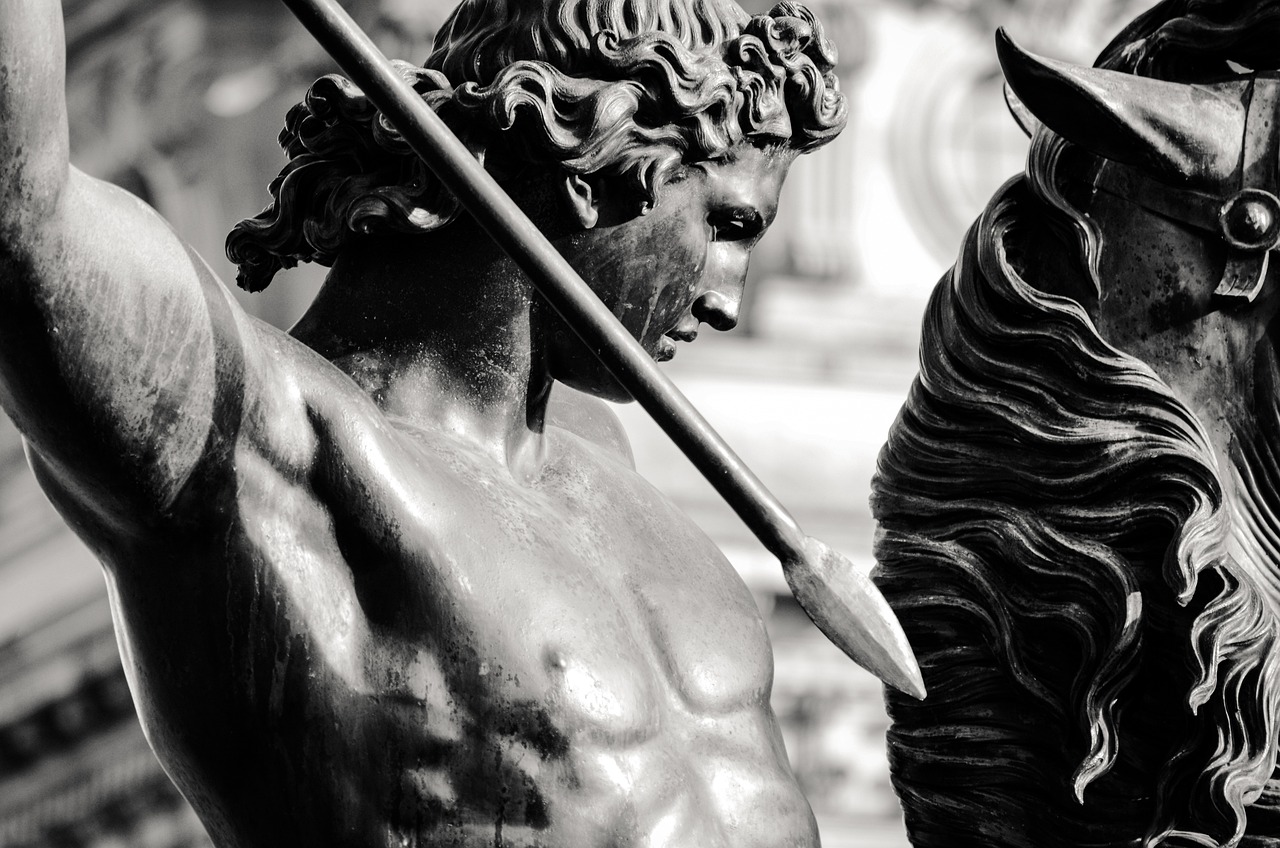
Greek mythology comprises a collection of narratives about the deities, heroes, and rituals integral to ancient Greek culture and Classical antiquity. While elements of fiction were acknowledged by critical thinkers of the era, like the philosopher Plato, the broader populace tended to regard these myths as factual representations of their beliefs. This rich tapestry of…
-
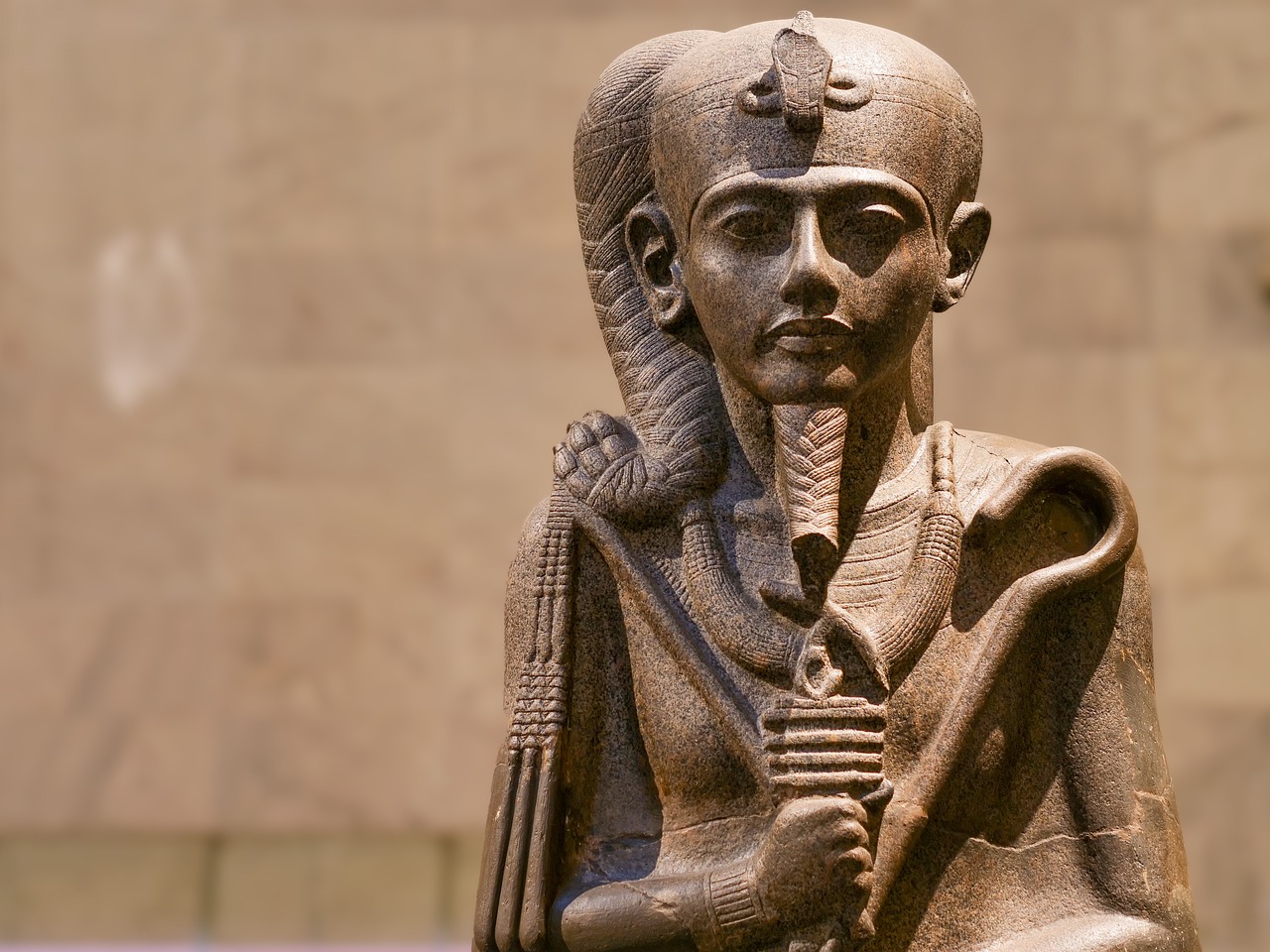
Egyptian deities associated with the moon are often overshadowed by their solar counterparts, despite their rich mythology and significance. While Thoth was initially recognized as the primary moon god, his role later evolved into that of a deity of knowledge and time, allowing Khonsu to emerge as the definitive god linked to lunar symbolism. Further…
-
In the realm of Irish mythology, Balor (often spelled as Balar in contemporary texts) stands out as the domineering leader of the Fomorians, a race of supernatural entities. Commonly depicted as a colossal figure, he possesses a singular eye whose opening results in widespread devastation. The most renowned account of Balor centers on his demise…
-

Mors, a prominent figure in Roman mythology, embodies the dualities of Darkness and Agony, serving as a representation of Death. She is closely related to Nox, the goddess of the night, and shares a bond with her twin brother Somnus, who represents sleep. Based in a secluded cave adjacent to the river Lethe, she claims…
-
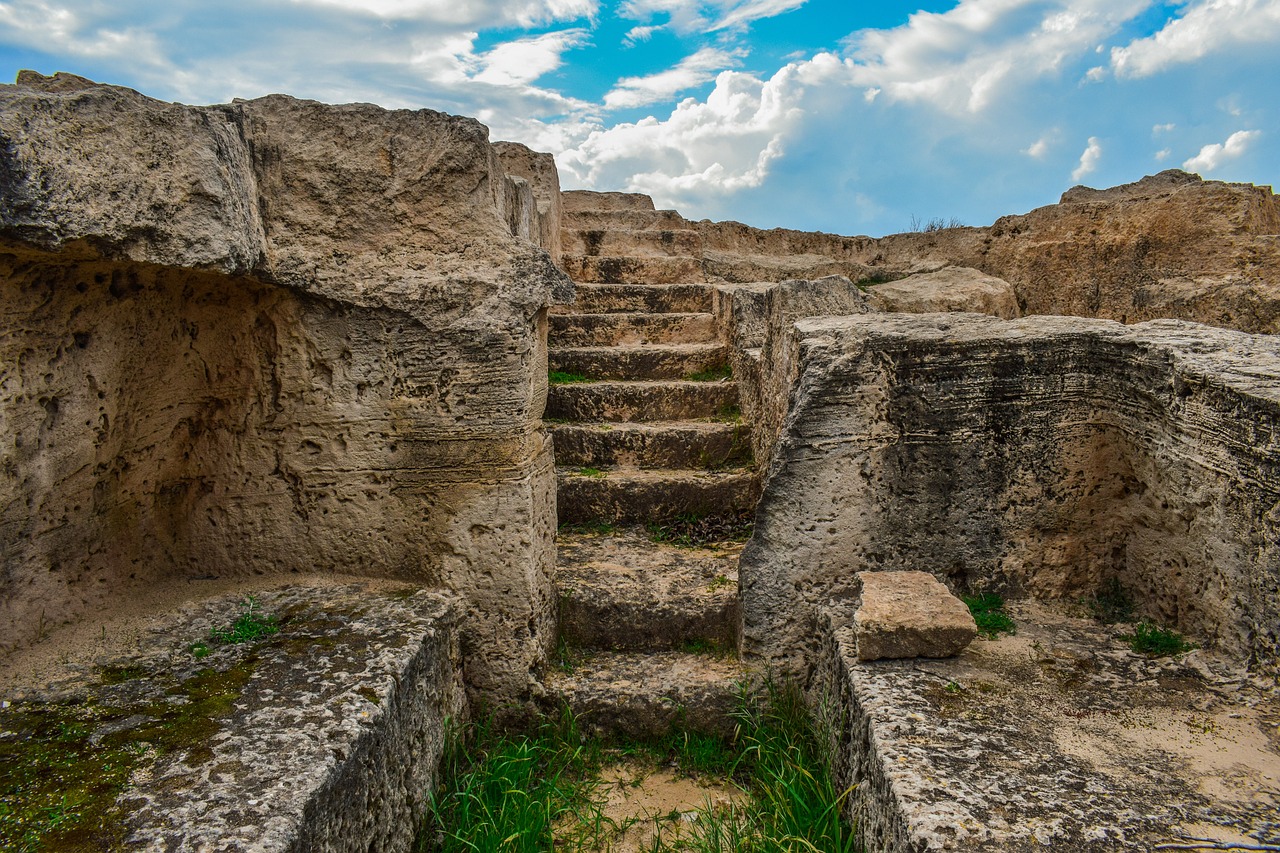
During renovation efforts aimed at a century-old sewer system in Rome, workers unexpectedly uncovered a life-sized marble statue representing Hercules, distinguished by its lion skin headdress. Jane Draycott, an archaeologist at the University of Glasgow, expressed her astonishment at the discovery, calling it a delightful surprise amid less glamorous surroundings, as noted in the Miami…
-

Cookie Preference and Settings Overview When visiting our websites, we utilize cookies to gather information which may relate to you, your preferences, or your device. This data primarily allows the sites to function as intended while enhancing your overall web experience. It is important to note that you have the option to decline certain types…
-
Overview of Nuada of the Silver-Hand Nuada of the Silver-Hand holds the distinction of being the first king of the Tuatha dé Danann. He is celebrated as a fair and wise leader who spearheaded efforts to conquer prehistoric Ireland, standing against the formidable Fomorians. Etymology The name Nuada, sometimes spelled Nuadu, is believed to originate…