-

Zhu Ba Jie: The Endearing Pig Demon of Legend Name Meaning and Origin Zhu Ba Jie is a character featuring a name steeped in meaning. “Zhu” translates to “pig,” while “Ba” represents the number eight, and “Jie” refers to prohibitions. This name was conferred upon him by Tang San Zang once he became his second…
-
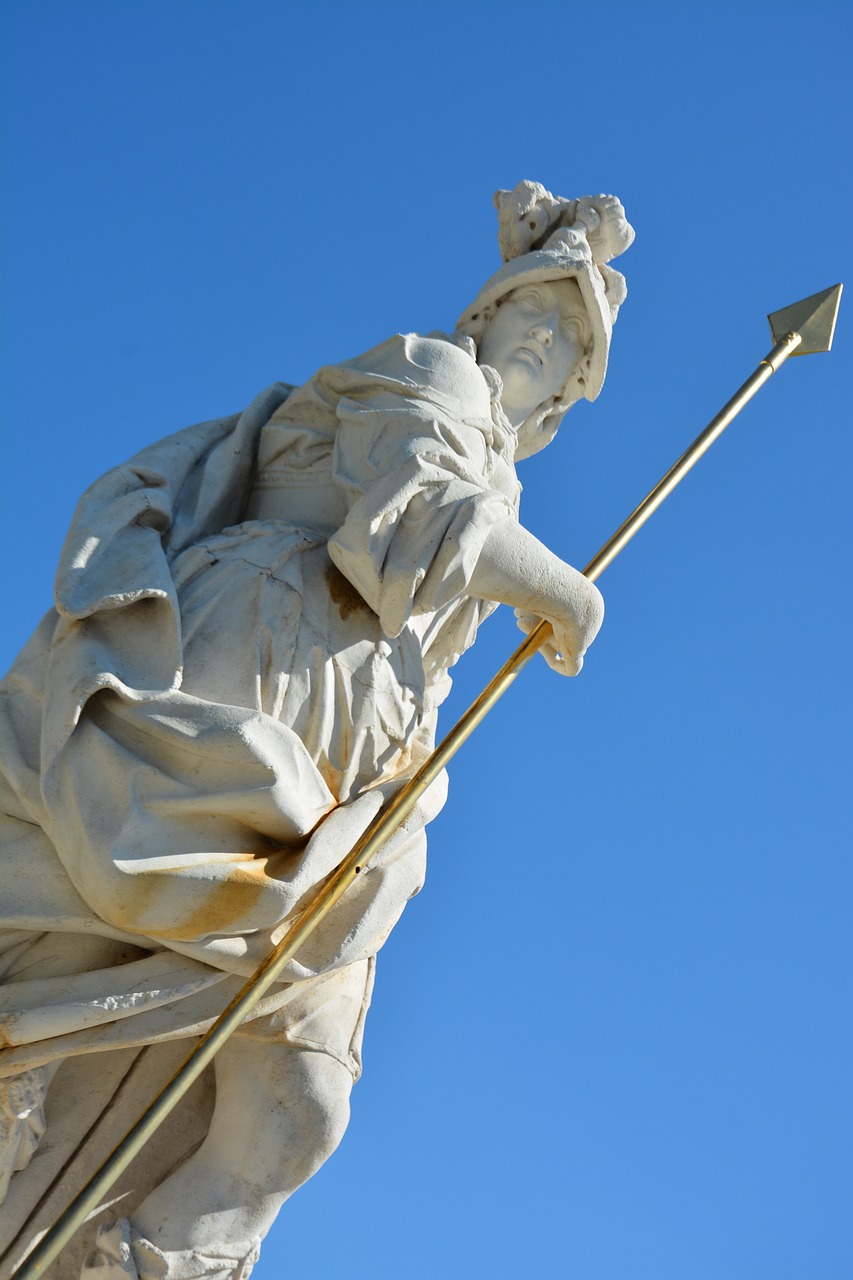
Greek mythology encompasses a rich tapestry of narratives revolving around deities, heroic figures, and ancient rituals practiced by the Greeks during Classical antiquity. Despite some acknowledgment among more analytical thinkers like Plato regarding the fictional nature embedded in these myths, they were widely accepted as truth by the general populace of the time. The enduring…
-
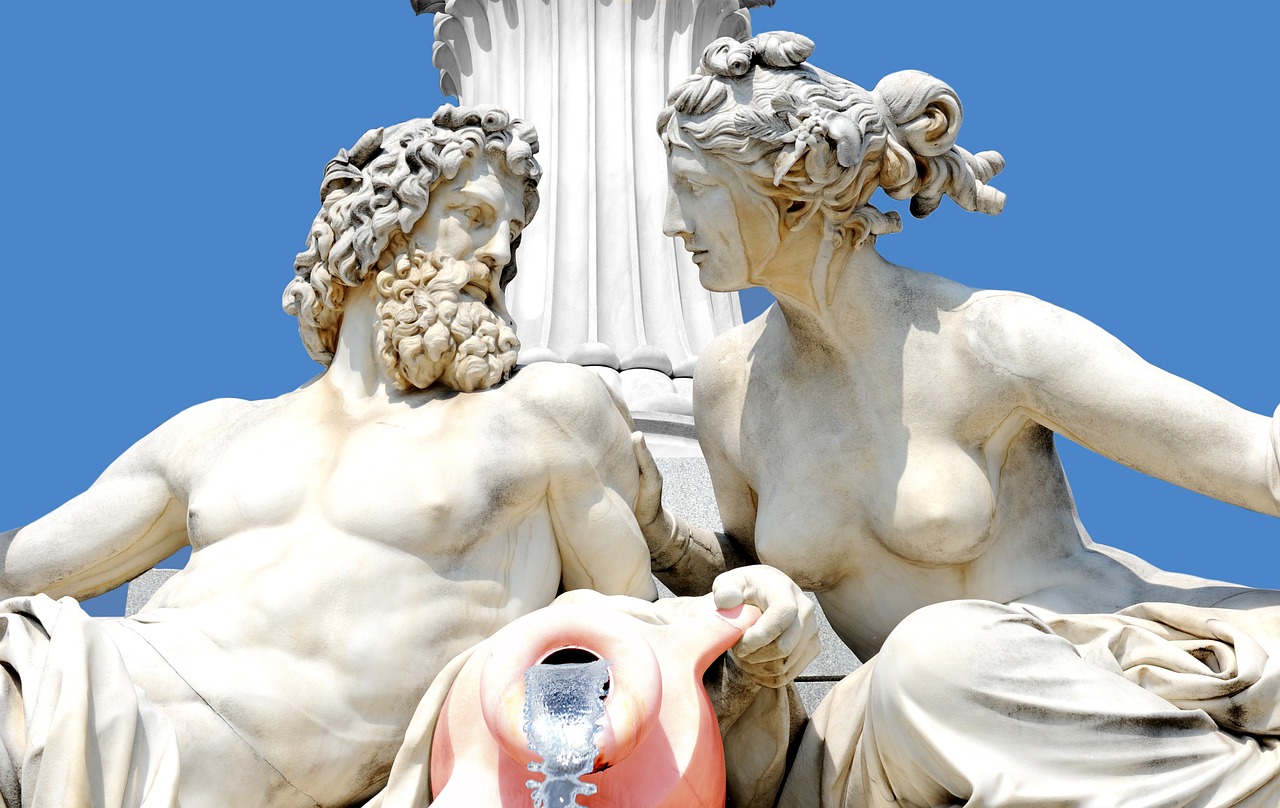
Greek mythology encompasses a rich tapestry of tales about deities, heroes, and the customs of ancient Greece, spanning back to classical antiquity. The inherent fictional qualities of these myths were recognized by critical thinkers such as Plato, who lived during the 5th to 4th centuries BCE. Despite this, the myths were traditionally embraced as factual…
-

Hapi, also known as Hep, Hap, or Hapy, was a revered deity associated with water and fertility in Ancient Egypt. His name is believed to have originally referred to the Nile in predynastic times. By the Dynastic era, the Nile was commonly known as “iterw” or “the river,” a term that later came to be…
-

Aengus, one of the renowned and enigmatic figures of the Tuatha Dé Danann, represents a legendary lineage that once graced Ireland, enriching its culture. This ancient race was eventually revered as deities, yet their interpretation of divinity in early pagan Ireland differed significantly from contemporary views. The name Aengus can be interpreted as “the chosen…
-
Anhur, also known as Onuris in Greek, is an ancient Egyptian deity associated with warfare and hunting. Hailing from This, located in the Thinite region close to Abydos, he was a protector and defender of his father, Ra, the sun god, earning him the moniker “slayer of enemies.” Anhur played a crucial role in safeguarding…
-

Key Aspects of Ancient Egyptian Religion Ancient Egyptian religion, which dates back to predynastic times around the 4th millennium BCE and continued until the decline of traditional culture in the early centuries CE, encompasses a complex set of beliefs and practices that were deeply embedded in Egyptian society. Although many aspects of these beliefs likely…
-
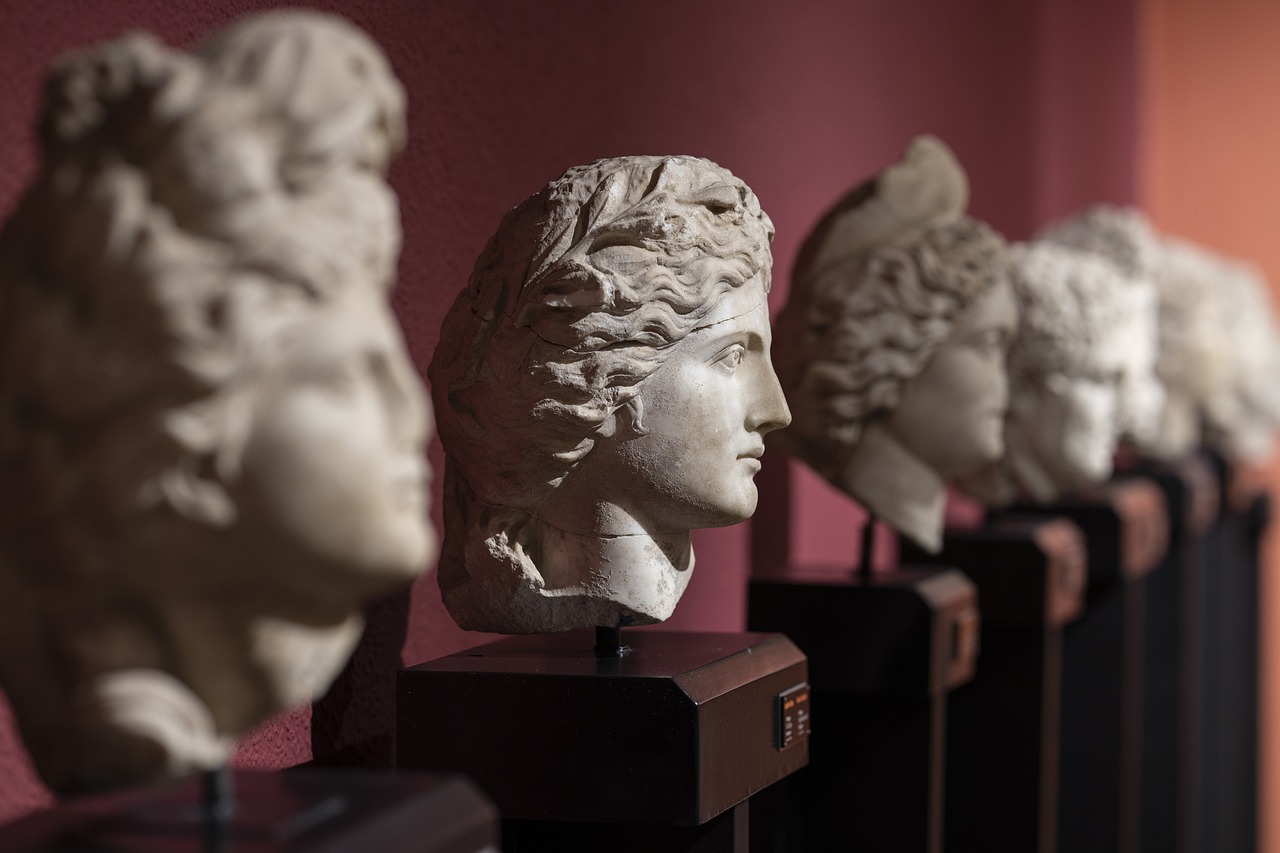
There are numerous legendary narratives woven into Ireland’s enchanting history, yet among the most captivating and formidable figures that emerge is Manannán Mac Lir. The Son of the Sea Manannán, referred to as ‘Mac Lir’, translates to ‘son of the sea’, aptly reflecting his essence. Throughout various tales, he is depicted traversing the ocean’s surface—whether…
-

Ancient Egyptian religion encompasses a wide range of indigenous beliefs that emerged in Egypt from the predynastic era (around the 4th millennium BCE) until the gradual decline of traditional culture in the early centuries CE. Understanding its historical context and timeline is essential to grasp how deeply intertwined these religious beliefs were with the fabric…
-
Memphis, known as a capital of ancient Egypt, holds a significant place in the landscape of Egyptian history. Located approximately 15 miles (24 km) south of present-day Cairo, it rests on the west bank of the Nile River delta. The city is intrinsically linked with the surrounding necropolises, which are home to some of Egypt’s…