-

Dreams are fascinating hallucinatory experiences that occur during sleep, engaging humans with their enigmatic nature throughout history. They have inspired a wide range of beliefs, fears, and theoretical explorations that attempt to uncover their essence. While categorizing dreams can introduce some limitations, they are generally seen as reflections of reality, predictive insights, healing encounters, or…
-
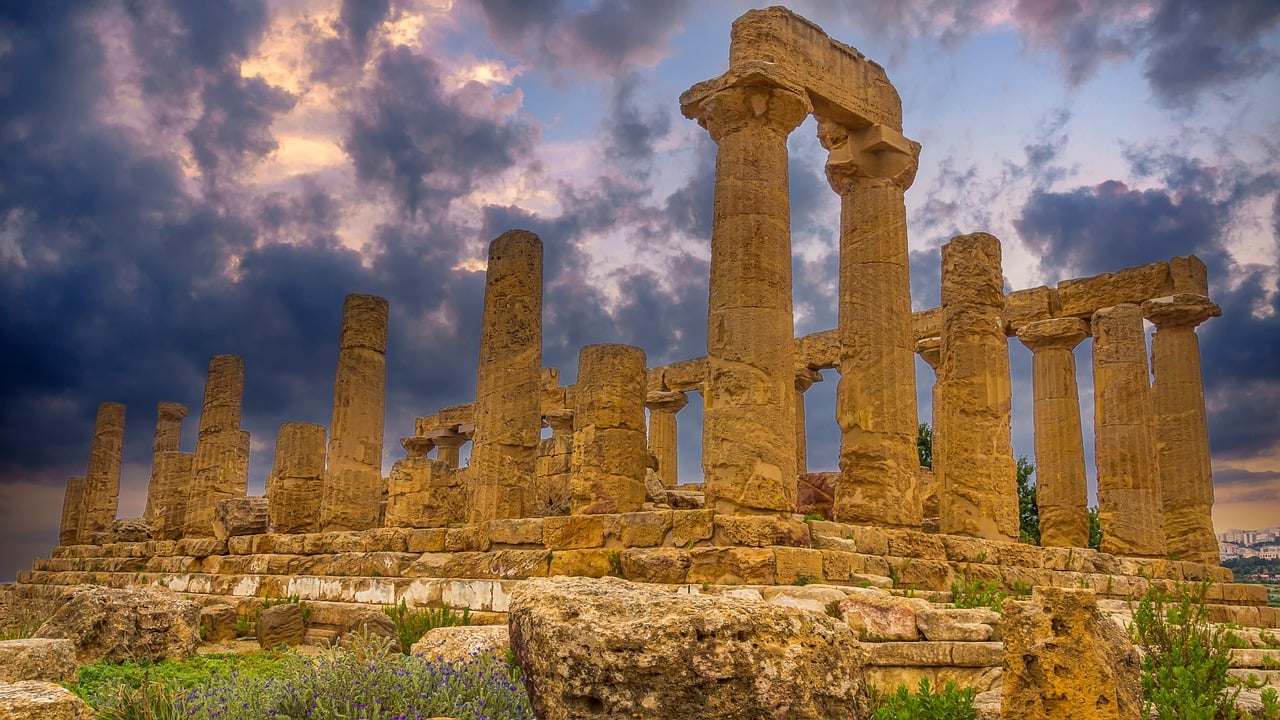
Hera, known as Juno in Roman mythology, stands as the esteemed queen of the Greek gods and the devoted wife of Zeus. Embodying the quintessential attributes of womanhood, she served as the goddess of marriage, family, and guardian of women during childbirth. Despite her unwavering loyalty to Zeus, Hera is often portrayed as possessive and…
-
In the intricate landscape of Irish lore, Nuada stands as a significant and iconic figure, recognized as the inaugural monarch of the Tuatha Dé Danann, a legendary group of divine entities believed to have once governed Ireland. His moniker, “Airgetlám,” meaning “Silver Hand/Arm,” encapsulates a narrative filled with victories, sorrow, and an unwavering quest for…
-

A few years back, at the onset of the pandemic, Roman Mars crafted an episode of 99% Invisible where he explored the design features of his own home, reflecting the shared experience of limited outside access during that time. This episode has since been recognized as a significant showcase of the series. Mars has since…
-
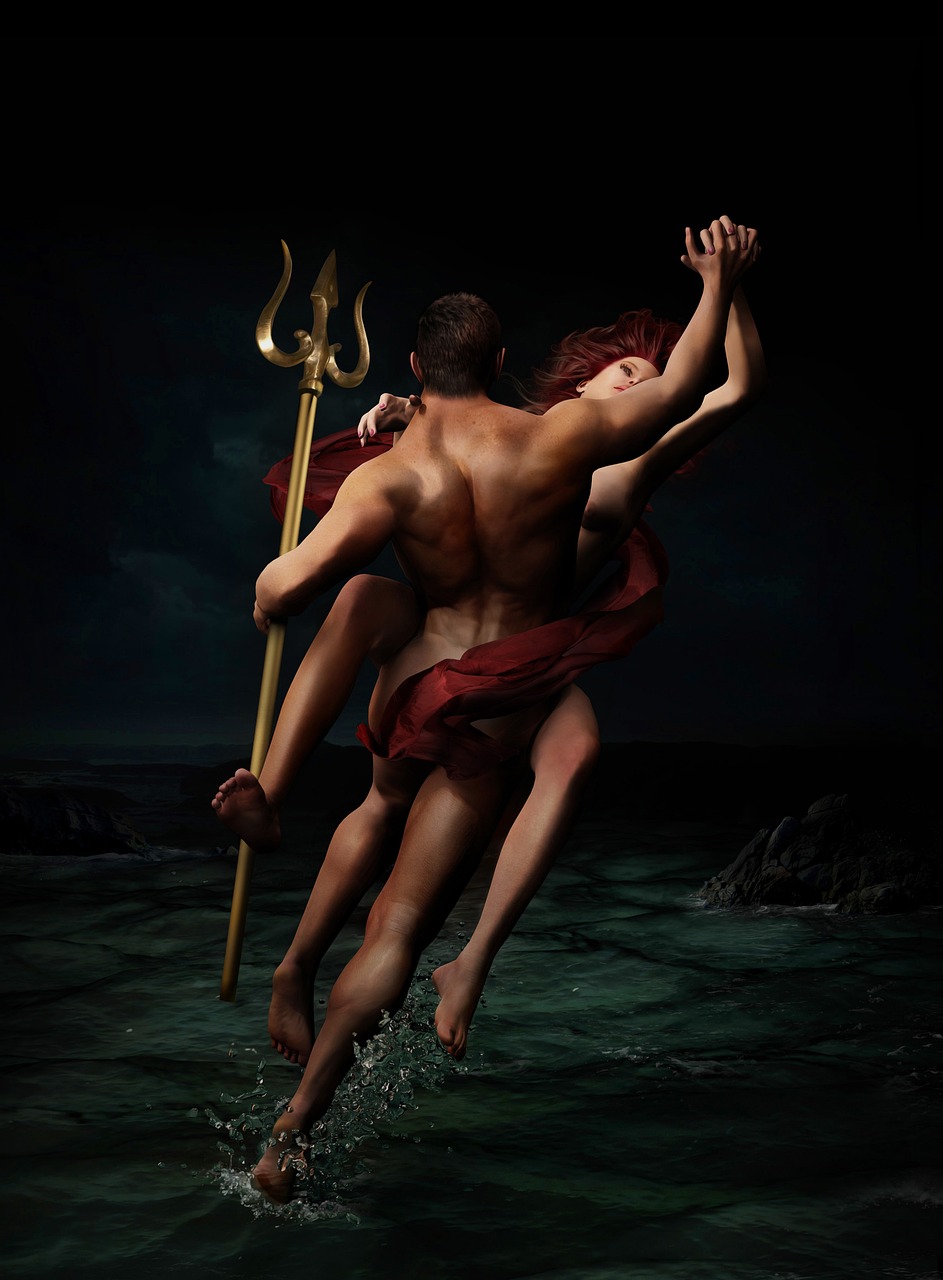
Neptune, the Roman deity of the sea, is the sibling of both Pluto and Jupiter. He bears a striking resemblance to his Greek counterpart, Poseidon. Neptune is often intertwined with the concept of fresh water, and historical references to him appear as early as 399 BC. His name, which translates to “moist” in Latin, is…
-

A Pathway to Triumph: The Daru Staircase The Daru Staircase at the Louvre Room 703, Denon Wing, Level 1 Perched majestically at the apex of the grand Daru staircase, the Winged Victory of Samothrace stands as one of the Louvre’s quintessential masterpieces. This striking setting was intentionally curated to honor and amplify this emblematic work…
-
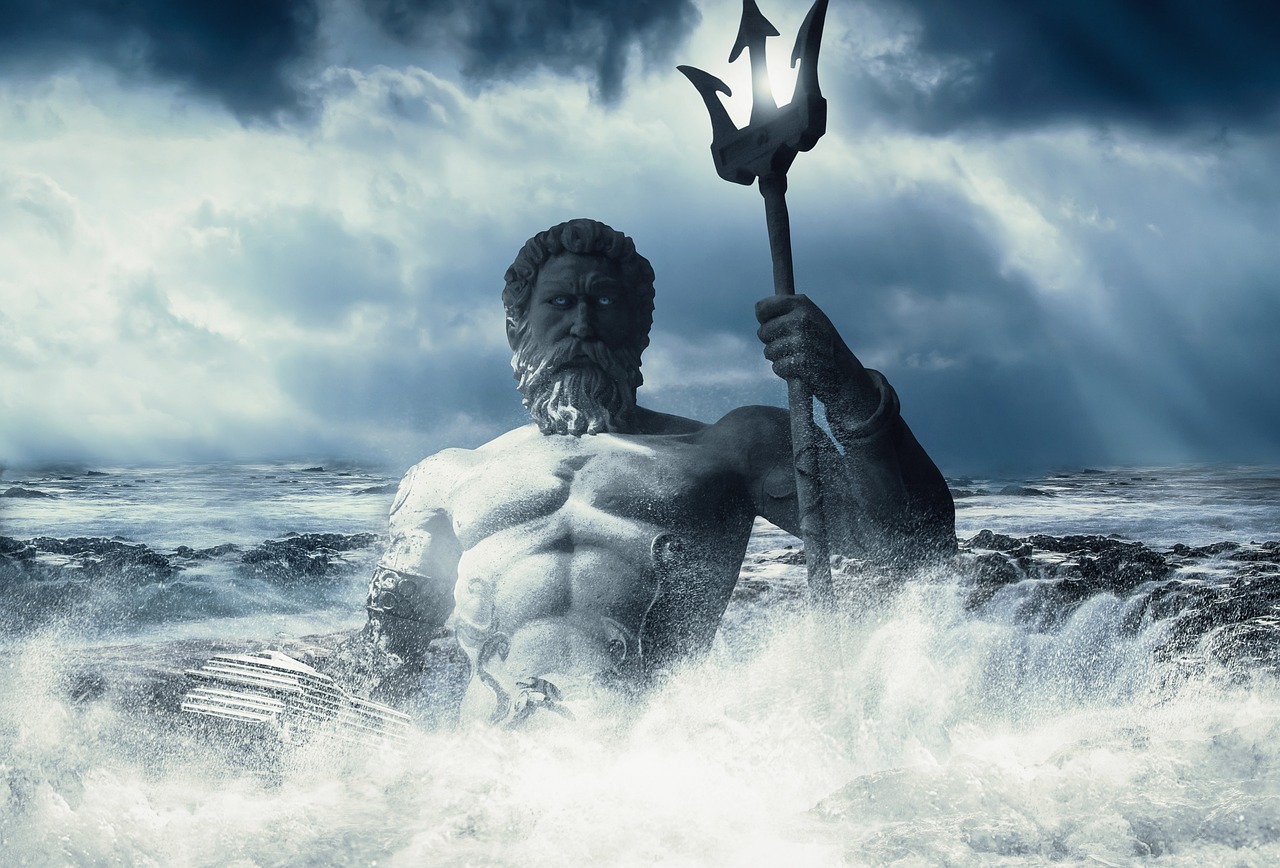
The pantheon of ancient Egypt is rich with a myriad of deities that represent various aspects of human life and the natural environment. Among these divine entities, the goddess Mut stands out as a significant symbol of maternal strength and divine motherhood in Egyptian lore. Her influence, symbols, and mythological importance spotlight her esteemed role…
-

Thank you to everyone who reached out with their favorite mythological figures! It has been a delight to engage with so much enthusiasm for these timeless stories. I have chosen to begin with the very first character suggested by a reader: the celebrated centaur Chiron, a wise mentor to many heroes. It’s important to note…
-

Tacitus, in the opening of the Annals, presents a succinct account of the republic’s evolution, particularly noting how Lucius Brutus “established freedom and the consulship.” This observation by Tacitus not only highlights the political structure of ancient Rome but also suggests a significant relationship between the concepts of liberty (libertas) and the republic. This connection…
-
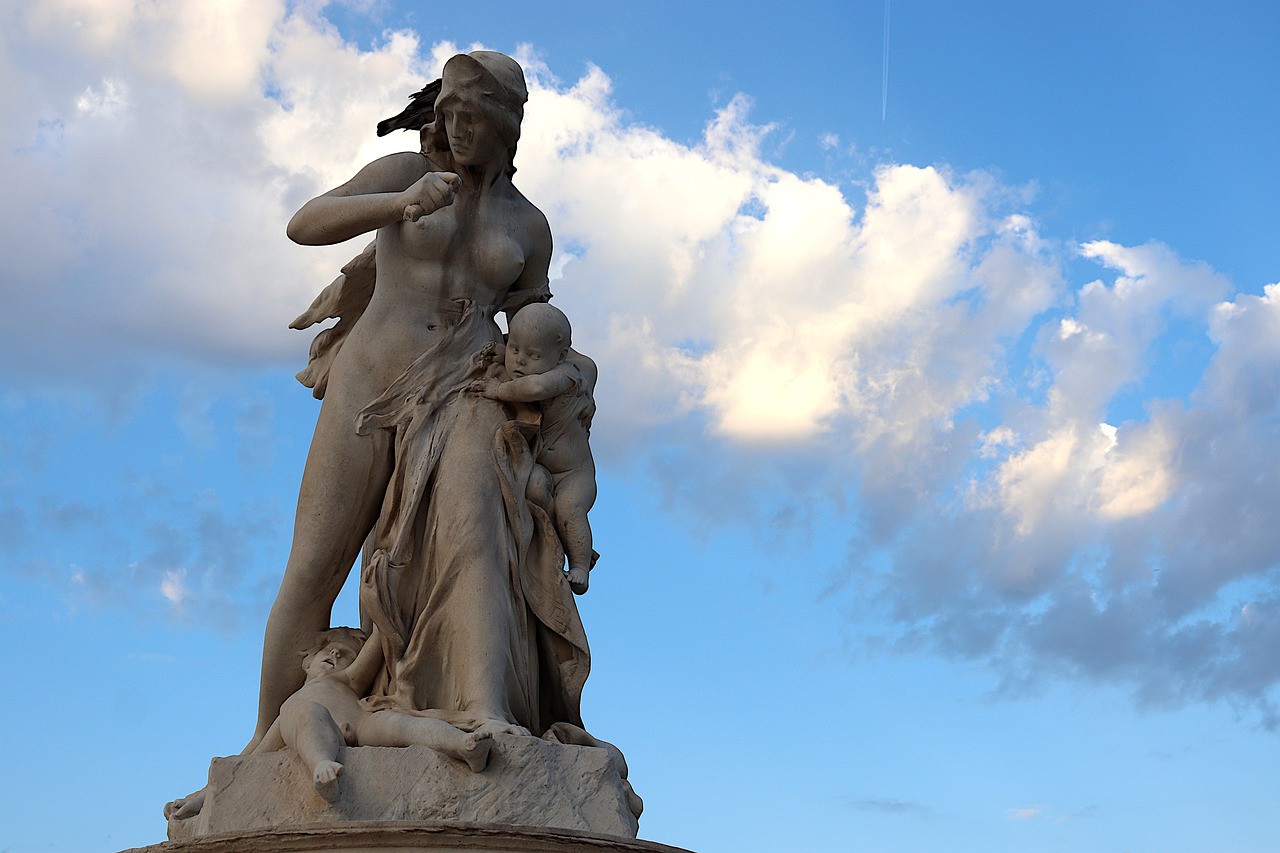
Medea In the narrative of the play, Medea emerges as its chief character, hailing from Colchis—an island in the Black Sea, viewed by the Greeks as a distant realm inhabited by barbarians. As both a sorceress and a princess, she wielded her magical abilities to assist Jason in acquiring the Golden Fleece. This unfolded into…