
-

Aphrodite, the revered goddess of love and beauty, is indeed one of the most recognized figures from Greco-Roman mythology. Her significance in ancient Greek culture was monumental, and she continues to be a symbol of love and beauty in contemporary times. Even though she no longer serves as a focal point in global education, her…
-
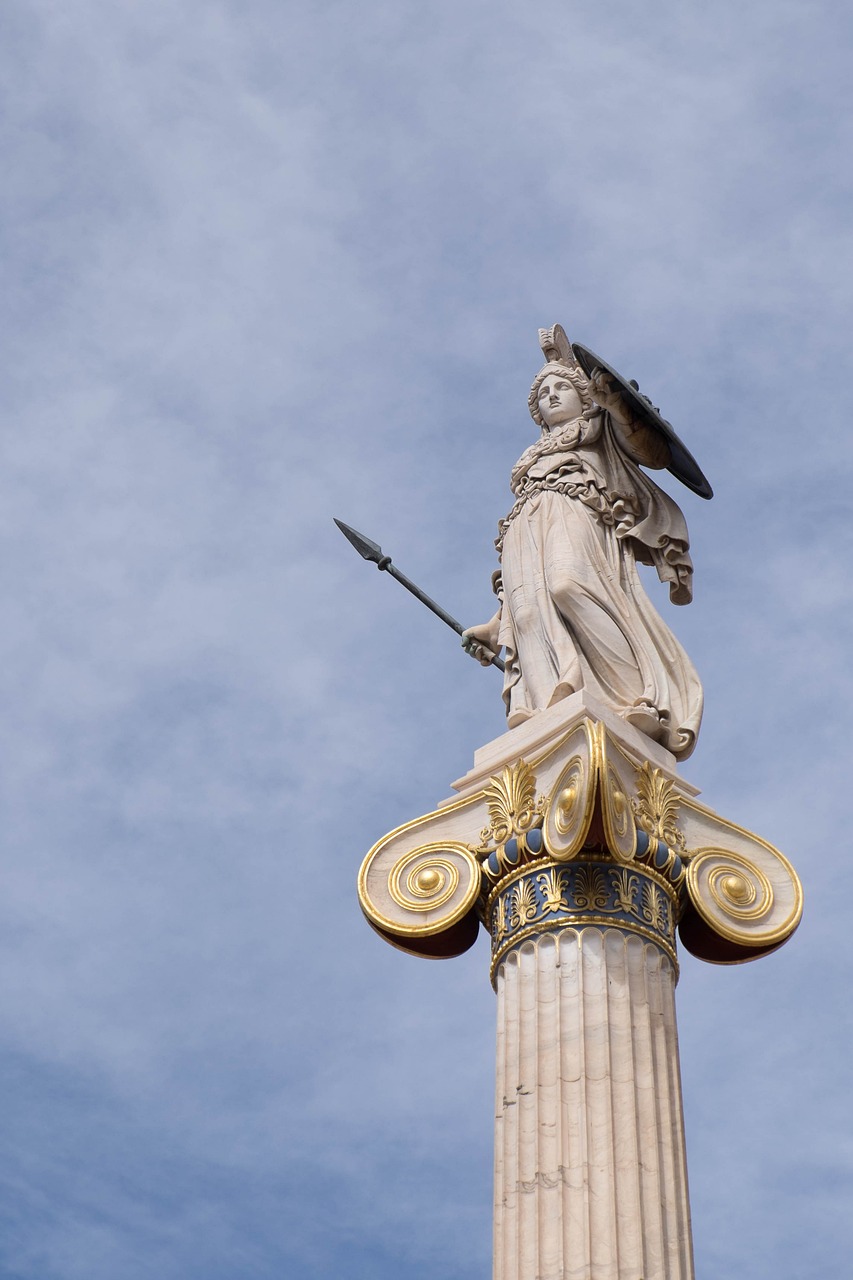
Demeter is a significant figure in Greek mythology, recognized as the goddess of agriculture and daughter of the titans Cronus and Rhea, while also being the sister and consort of Zeus, the sovereign of the gods. Her very name alludes to her maternal role. Though Homer makes infrequent references to her, and she is not…
-

Apollo, a prominent figure in Greco-Roman mythology, stands out as one of the most admired and significant deities within ancient Greek and Roman culture. His exact origins remain somewhat ambiguous; however, from Homer’s era onward, he assumed various roles. Apollo emerged as the god associated with divine distance, capable of sending warnings or threats from…
-
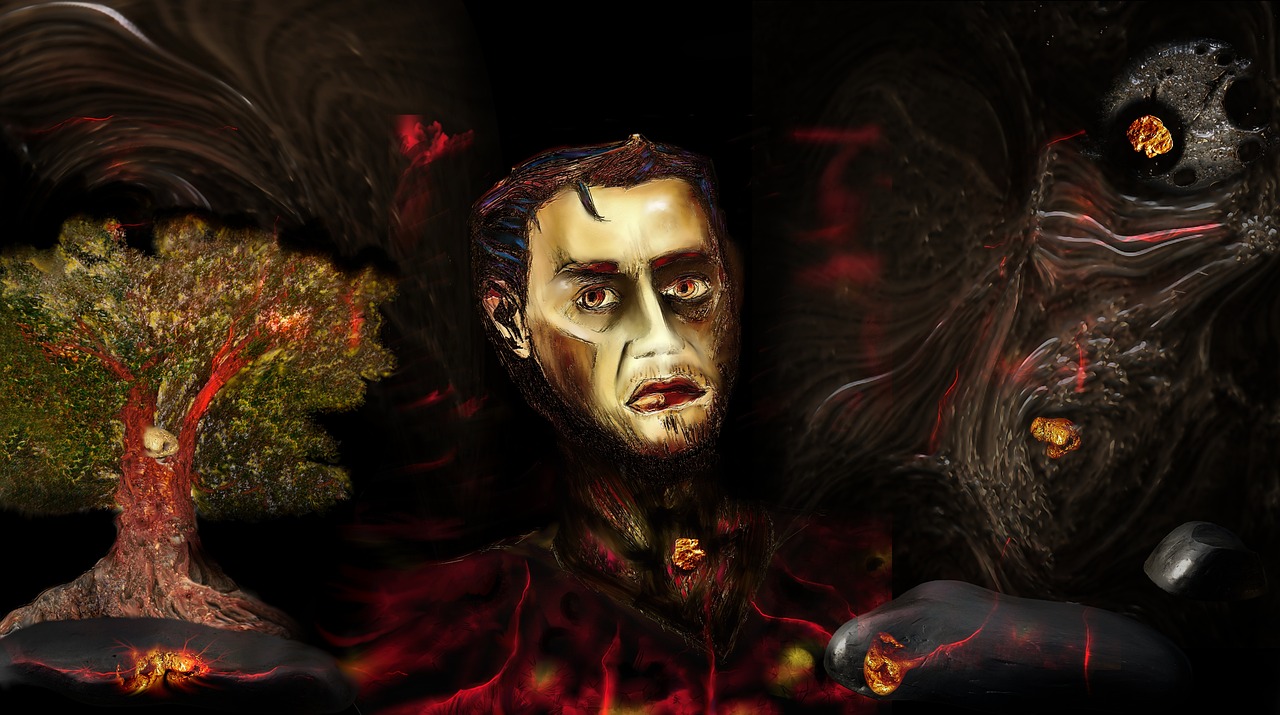
The term “Odyssey” has evolved to signify an extensive journey, influenced by Homer’s epic poem The Odyssey, composed in the 8th century BC. This tale serves as a continuation of Homer’s earlier work, The Iliad, which chronicles the final stages of the Trojan War. In The Odyssey, we follow the adventures of Odysseus, whose attempts…
-
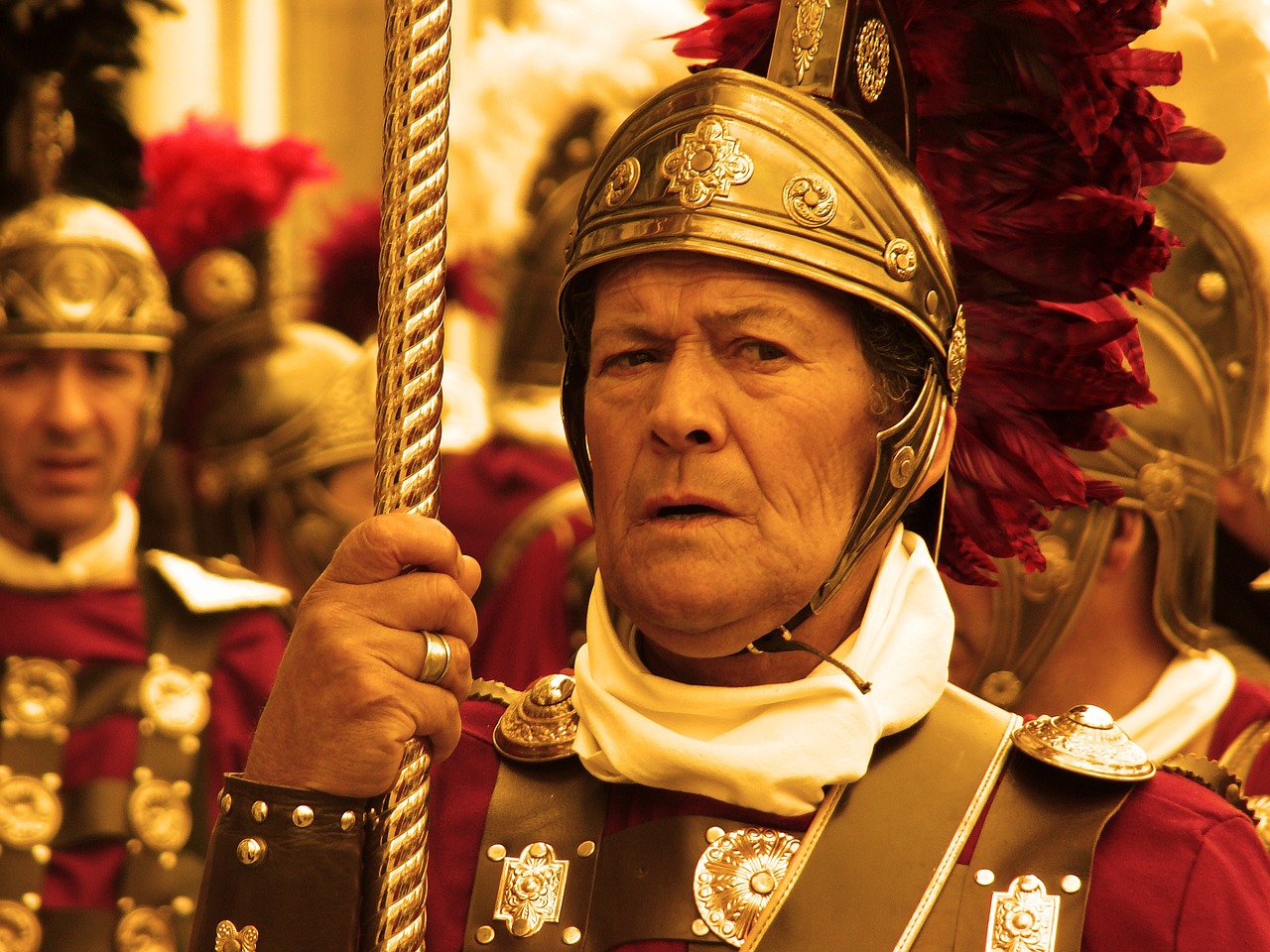
Bellona, the Roman deity of conflict, holds a significant position in ancient mythology, often linked with Mars, the god of war. Frequently depicted as his companion, she is recognized in various roles including that of his spouse, daughter, sister, or charioteer. Her roots likely lie with the Sabines, an ancient tribe from the northeastern region…
-
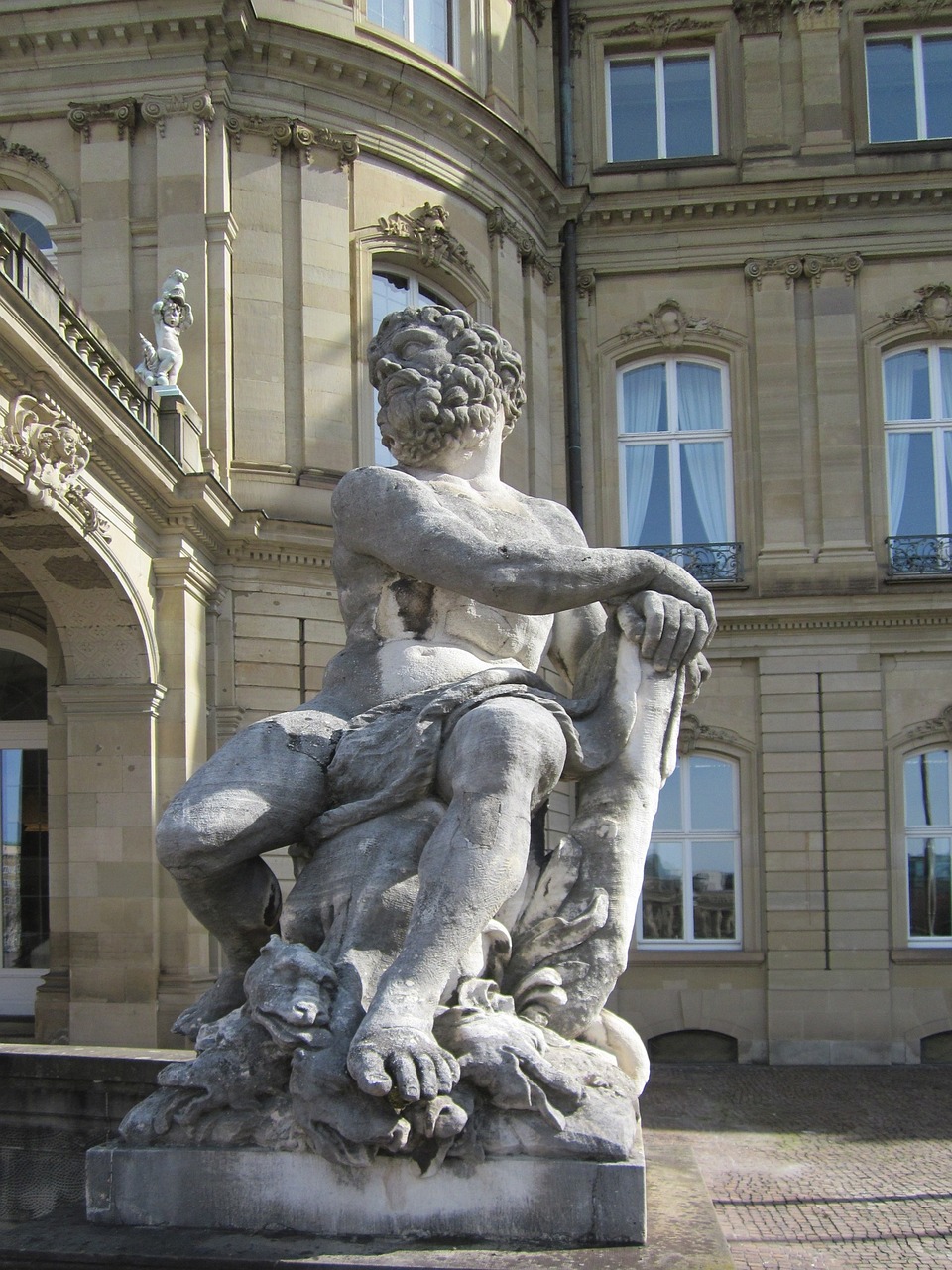
Heracles, one of the legendary figures of Greco-Roman mythology, is renowned for his remarkable feats and strength. He is traditionally identified as the offspring of Zeus and Alcmene, the granddaughter of Perseus. Zeus had vowed that the first male born from the lineage of Perseus would ascend to the throne of Greece. However, due to…
-

Horus, a prominent deity in ancient Egyptian belief, is depicted as a falcon, with his right eye symbolizing the sun or morning star—indicative of strength and essence—and his left eye representing the moon or evening star, signifying healing. The veneration of Horus can be traced back to the late predynastic era and was prevalent throughout…
-
Clíodhna, the legendary Queen of the Banshees, is closely linked to southern Ireland, particularly to County Cork. Revered as a Goddess of love and beauty, she is often depicted with three enchanting birds whose melodious songs were said to heal all ailments. Hearing their music would lull the listener into a profound slumber, awakening renewed…
-
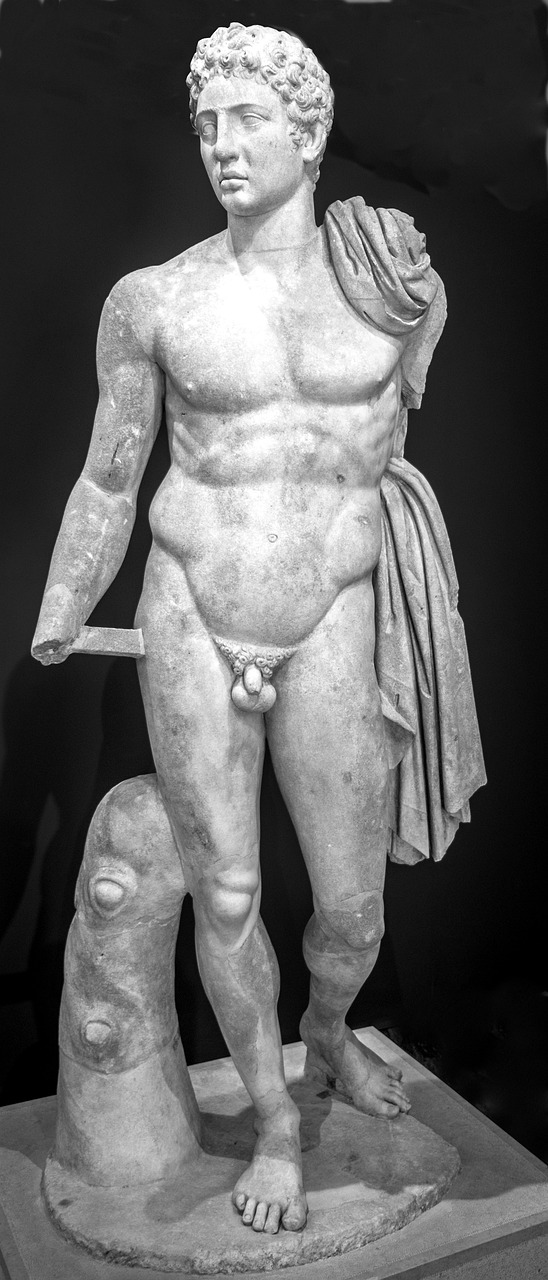
The Multifaceted Role of Hermes in Greek Mythology Hermes, a prominent figure in Greek mythology, served as the Olympian god associated with several realms. He was revered as the deity of herds and flocks, travelers, hospitality, trade, thievery, cunning, heraldry, language, athletics, and even astrology. Acting as Zeus’s personal messenger, Hermes was also tasked with…
-
Tefnut: The Goddess of Water and Moisture in Egyptian Mythology Overview In the realm of Egyptian mythology, Tefnut stands out as the goddess associated with water, humidity, and sustenance. Often recognized alongside concepts of dryness and the sun, she is recognized as both a creative force and a nurturing presence, revered as the mother of…