-
Imhotep, known by the Greek name Imouthes and active around 2667-2600 BCE, is celebrated as an influential Egyptian polymath and the architect behind the iconic Step Pyramid of King Djoser at Saqqara. His name translates to “He Who Comes in Peace,” and he stands out as one of the few Egyptians, alongside Amenhotep, to have…
-
Understanding Ancient Egyptian Religion Ancient Egyptian religion encompasses the indigenous spiritual beliefs held in Egypt from the predynastic era, around the fourth millennium BCE, until the gradual decline of traditional practices in the early centuries CE. This religious framework was deeply embedded in the fabric of Egyptian society, particularly from around 3000 BCE onwards. While…
-
Background Bodhbh Dearg, also known as Bov The Red, was the esteemed ruler of Sídh ar Feimhim, which is situated on Slievenamon in County Tipperary. He ascended to the throne as the King of the Tuatha Dé Danann after their defeat by the Gaelic tribes. Tales of Bodhbh Dearg Following Bodhbh Dearg’s election as King,…
-

Greek mythology encompasses a vast collection of stories regarding the deities, heroes, and rituals of ancient Greece, deeply rooted in Classical antiquity. Even though philosophers like Plato acknowledged the fictional aspects of these myths during the 5th and 4th centuries BCE, many Greeks regarded these narratives as truthful representations of their beliefs and traditions. The…
-
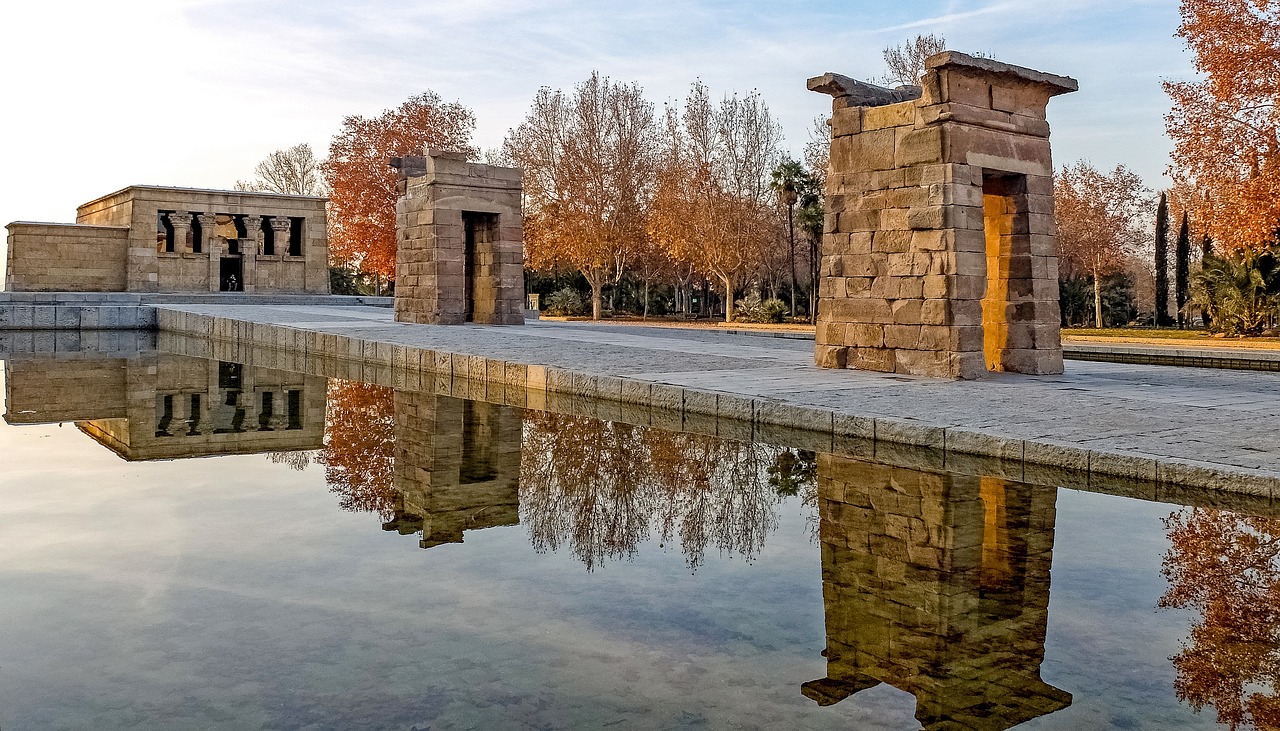
Amon, an Egyptian deity recognized as the sovereign of the gods, has his origins rooted in the Hermopolite creation narrative, where he was one of the eight primary deities. His worship gained prominence in Thebes, ultimately making him the divine protector of the pharaohs by the time of Mentuhotep I (2008–1957 BCE). During this period,…
-
Seshat: The Feminine Scribe of Ancient Egypt Seshat, revered as the feminine partner of Thoth the Scribe, embodies the essence of wisdom and creativity in Egyptian mythology. Known for intimately linking with the cosmic narrative of humanity’s journey through time, Seshat stands alongside other mystical figures like Isis and Hermes. Often referred to as the…
-

Aphrodite: The Goddess of Love and Beauty in Greek Mythology Aphrodite, known as the Olympian deity of love, beauty, and procreation, holds a significant position in ancient Greek mythology. Frequently depicted as an alluring woman, she is often shown alongside Eros, the god of love. Characteristic symbols associated with her include the dove, apple, mirror,…
-

The Janus Geminus, often interpreted as the embodiment of duality, housed an ancient bronze statue of the deity Janus, believed to have been established by Numa Pompilius, the second king of Rome, as recounted by Plutarch. According to Pliny the Elder, the sculpture featured fingers positioned to represent the 355 days of the year, while…
-
The Haunting Legend of La Llorona In the stillness of night by the Rio Grande river, a distressed figure can often be seen—a weeping woman, potentially La Llorona, a perilous spirit rooted in Mexican folklore. Local legends narrate her tragic story of despair, as she is condemned to remain in this realm due to the…
-
Apophis, alternatively known as Apep, embodies the archetype of the Great Serpent in ancient Egyptian mythology, often portrayed as the adversary of the sun god Ra. According to Egyptian belief, Ra navigated the heavens in a magnificent barge throughout the day, only to confront Apophis—an embodiment of chaos and darkness—during his nightly voyage through the…