-

Hephaestus holds a prominent position among the deities of ancient Greece, recognized primarily as the god of fire and craftsmanship. As one of the twelve Olympian gods, he is noted to be the offspring of Zeus and Hera, the sovereigns of Mount Olympus, and is married to the goddess of beauty, Aphrodite. Hephaestus: The Unique…
-
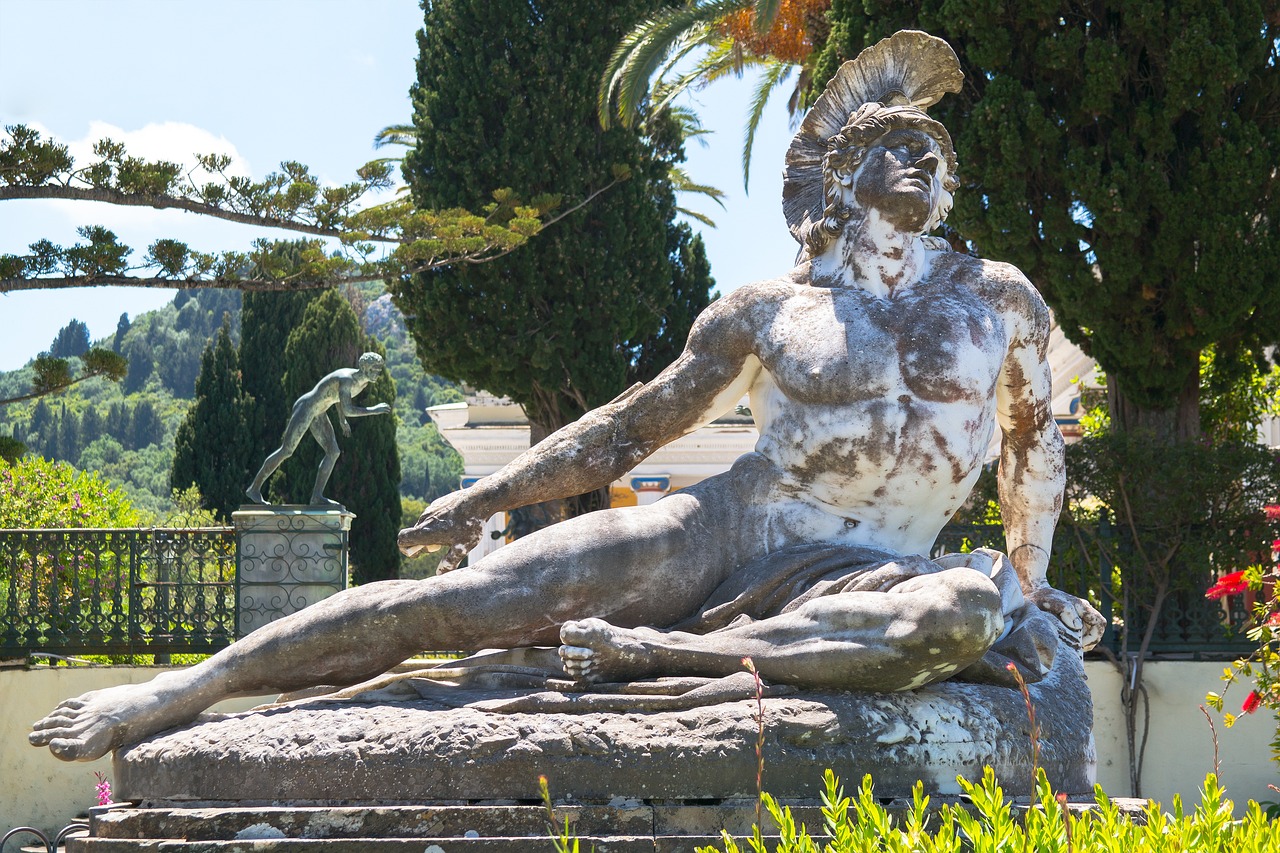
Achilles, the legendary warrior of ancient Greek lore, stands out as one of the most celebrated heroes of mythology. Renowned for his immense strength, bravery, and unwavering loyalty, he bore a singular vulnerability known as his “Achilles heel.” The epic narrative of his life, particularly during the final phase of the Trojan War, is vividly…
-

The question often arises: “What makes that person special enough to take a seat?” However, my focus lies on storytelling through radio, where I share narratives about design—a topic that encompasses everything from architecture to everyday items like toothbrushes, as well as symbols, signage, and typography. My goal is to encourage people to develop an…
-

In the realm of Greek mythology, the moon is represented by its own goddess, Selene. If you’re eager to delve into the stories, powers, and significance of this lunar deity, you’ve landed in the right spot. This article will navigate through the fascinating narratives surrounding Selene, the goddess of the moon. Understanding Selene’s Essence Selene…
-
Anhur, also referred to as Onuris in Greek nomenclature, was an ancient Egyptian deity representing war and hunting. Hailing from This, located in the Thinite region near Abydos, he played the pivotal role of defending his father, Ra, the sun god, against foes, earning him the title “slayer of enemies.” His duties often included standing…
-

Tefnut, also referred to as Tefenet or Tefnet, was a prominent goddess in ancient Egyptian mythology, embodying the duality of moisture and dryness, alongside connections to both the sun and the moon. Revered as one of the “Eyes of Ra,” she symbolized the lunar aspect of moisture and the solar aspect of dryness, mirroring the…
-

Tiger nuts, commonly referred to as chufa, yellow nutsedge, or earth almonds, are not true nuts but rather edible tubers. They resemble chickpeas in size, featuring a wrinkled shape and a chewy consistency, alongside a sweet, nutty flavor reminiscent of coconut. Historically, tiger nuts were among the earliest cultivated plants in Egypt and have been…
-

Measuring under eight inches tall, this bronze figure of Venus is smaller than a standard Barbie doll. Unlike the widely recognized fashion doll, the proportions and relaxed pose of Venus convey a realistic feminine form. Adorned solely with a diadem or crown on her head, she stands in a complete nude state, distributing her weight…
-
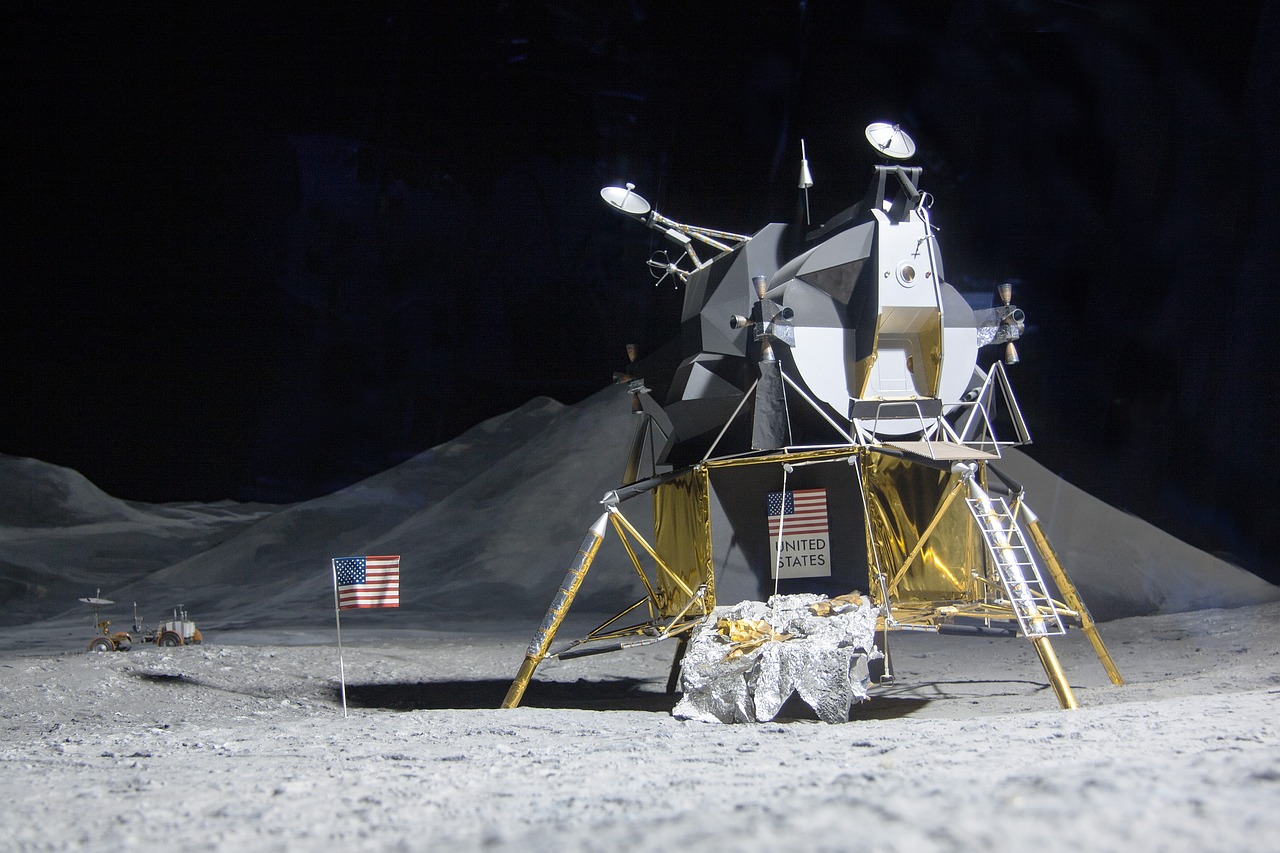
Apollo, the illustrious son of Zeus and Leto (Latona), is a highly revered figure in mythology, notable for his dual aspect as both the god of light and a powerful deity associated with various facets of human experience. Acclaimed legends claim that he was born alongside his twin sister Artemis (Diana) on the island of…
-

Floralias: A Celebration of Flora’s Bounty Floralias, a vibrant festival, pays tribute to Flora, the goddess associated with flowers and floral growth, while embracing a spirit of revelry and joy. This festival intertwines both sacred and profane elements, showcasing the complex nature of Roman celebrations. In contrast to the singular worship of one deity found…