-

Medb: The Enigmatic Queen of Connacht Overview In the realm of Celtic mythology, Medb stands as the formidable Queen of Connacht, characterized as a central antagonist in the Ulster Cycle. With her extraordinary cunning and strength, she reigned over Western Ireland, exerting considerable influence over the island. Her tumultuous interactions with her former spouse, Conchobar…
-
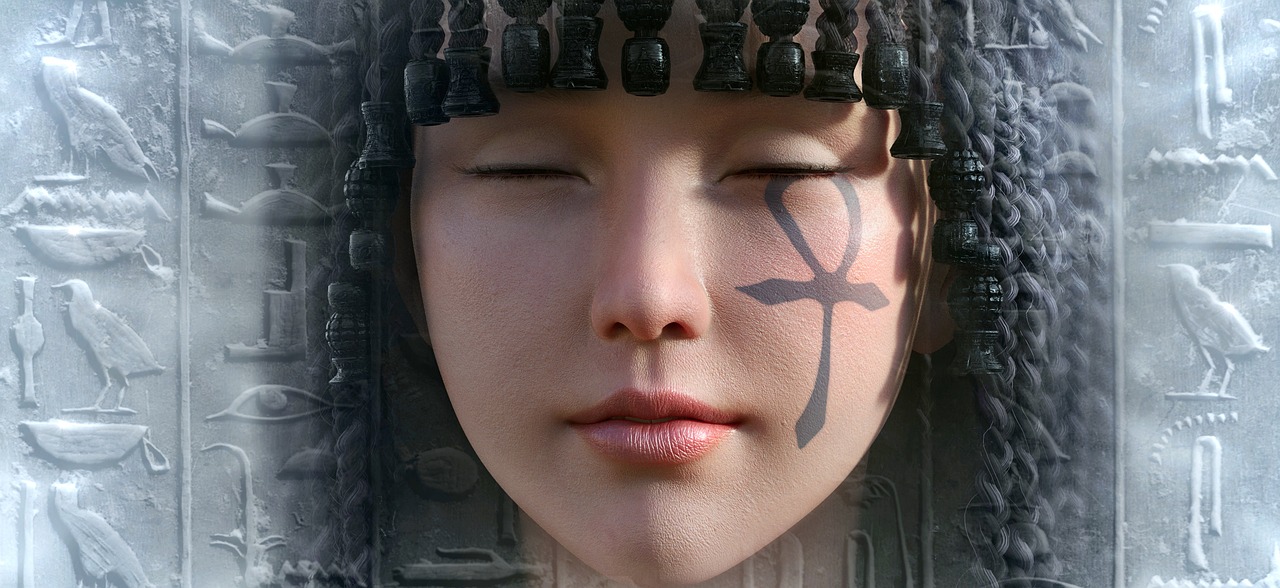
Ancient Egyptian religion encompasses the indigenous beliefs practiced in Egypt, spanning from the predynastic period (around the 4th millennium BCE) to the decline of traditional religious culture in the early centuries CE. For a comprehensive understanding of the historical context and timelines, one can refer to the broader history of Egypt. Nature and Importance of…
-
Danu, a revered triple goddess in ancient Irish mythology, is celebrated as the “Great Mother” of Ireland. She is regarded as the matriarch of the Tuatha Dé Danann, a lineage that translates to “People of the Goddess Danu.” Danu signifies wisdom, abundance, and prosperity, yet her name also aligns with the concept of water, suggesting…
-
Exploring Ancient Egyptian Religion: An Overview Ancient Egyptian religion encompasses the indigenous beliefs that flourished in Egypt from pre-dynastic times (around the 4th millennium BCE) until the gradual decline of its traditional culture in the early centuries CE. This system of faith and worship is integral to understanding the fabric of Egyptian civilization, particularly throughout…
-
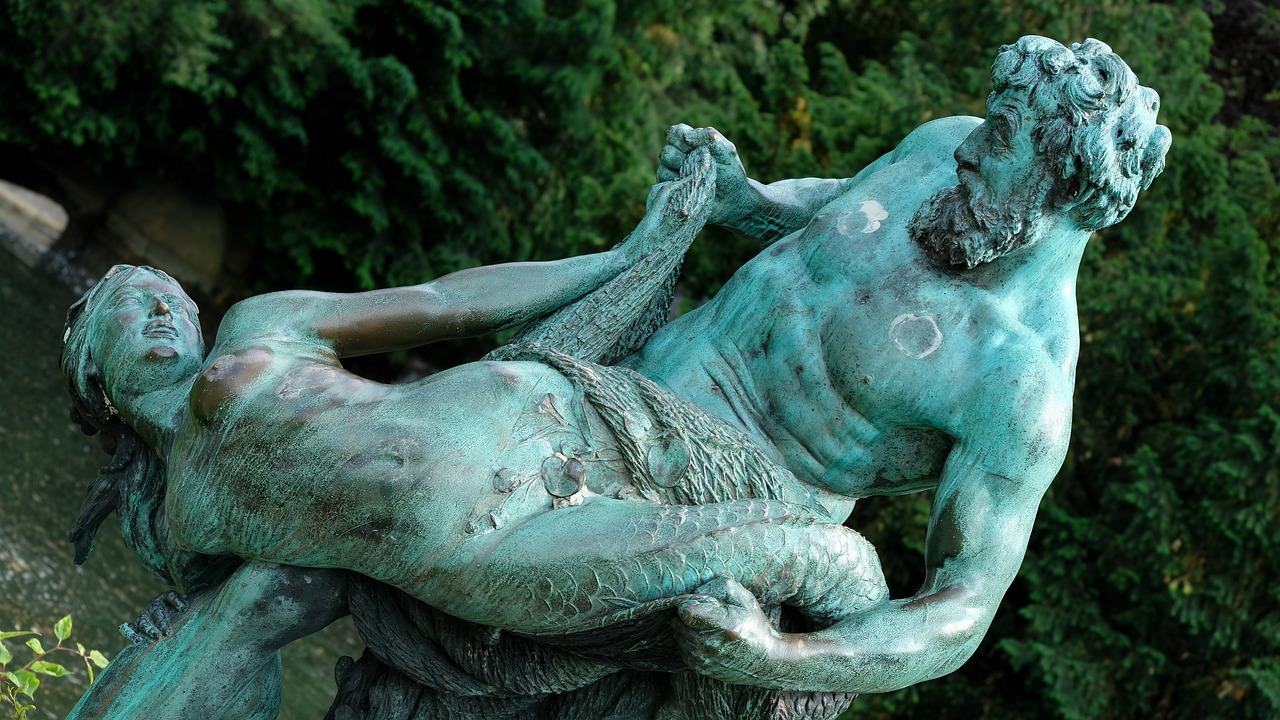
Poseidon: The God of Sea, Earthquakes, and Horses Poseidon was one of the key gods in Greek mythology, revered as the divine authority of the sea, earthquakes, floods, and droughts, as well as horses. He is often illustrated as a robust, mature man with a dark beard and holds a trident, symbolizing his power over…
-
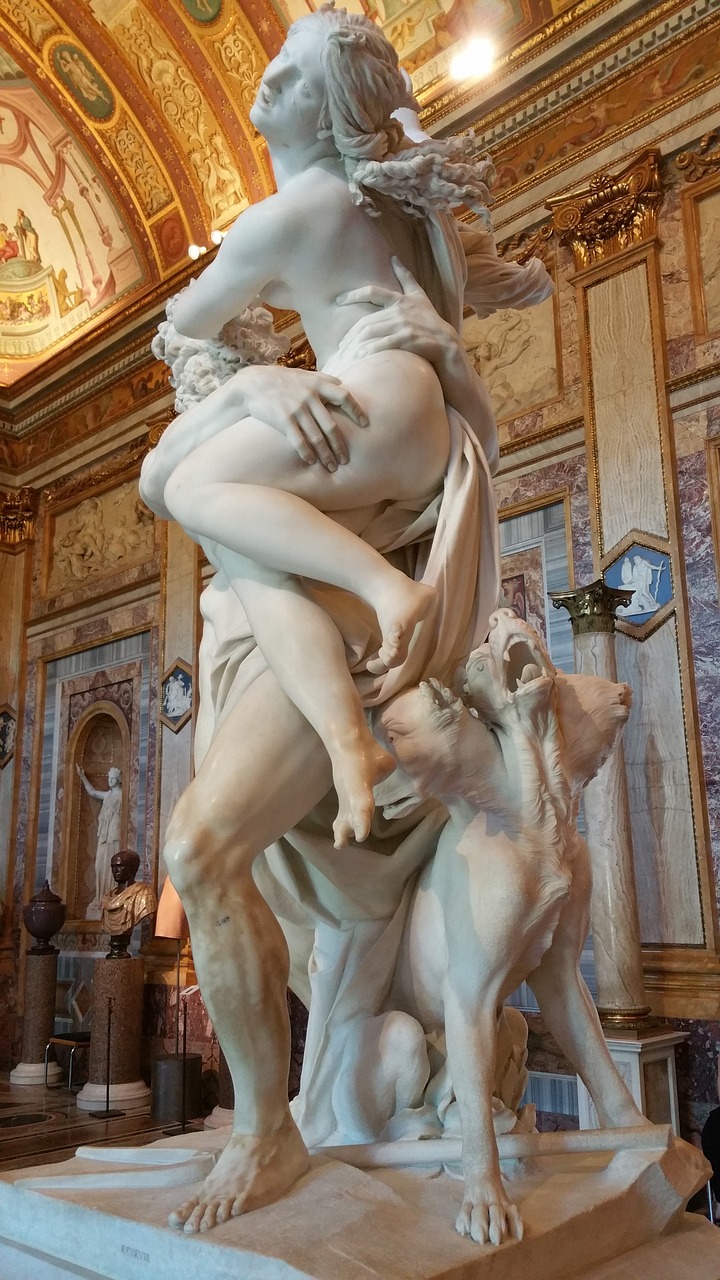
The story of Proserpina and Pluto, found in Ovid’s “Metamorphoses,” narrates a troubling tale of the god of the Underworld seizing the harvest goddess Ceres’ daughter in a non-consensual act. This event was initiated when Cupid, fulfilling Venus’s orders, struck Pluto with a golden arrow, creating an irresistible attraction. Venus, believing in her ability to…
-

The term ‘Odyssey’ has evolved to symbolize a grand journey, drawing its origins from Homer’s epic poem titled The Odyssey, composed in the 8th century BC. This poem is a continuation of The Iliad, which illustrates the concluding moments of the Trojan War. The Odyssey recounts the adventures of Odysseus as he faces numerous challenges…
-
Goibniu, associated with the Tuatha Dé Danann, stands as one of the trio of deities renowned for craft, known collectively as na trídé dána. Alongside Credne and Luchta, he exemplifies exceptional smithing skills. His most prominent appearance is in the tale of Cath Maige Tuired, where he is depicted as a relentless armorer, equipping Lug…
-
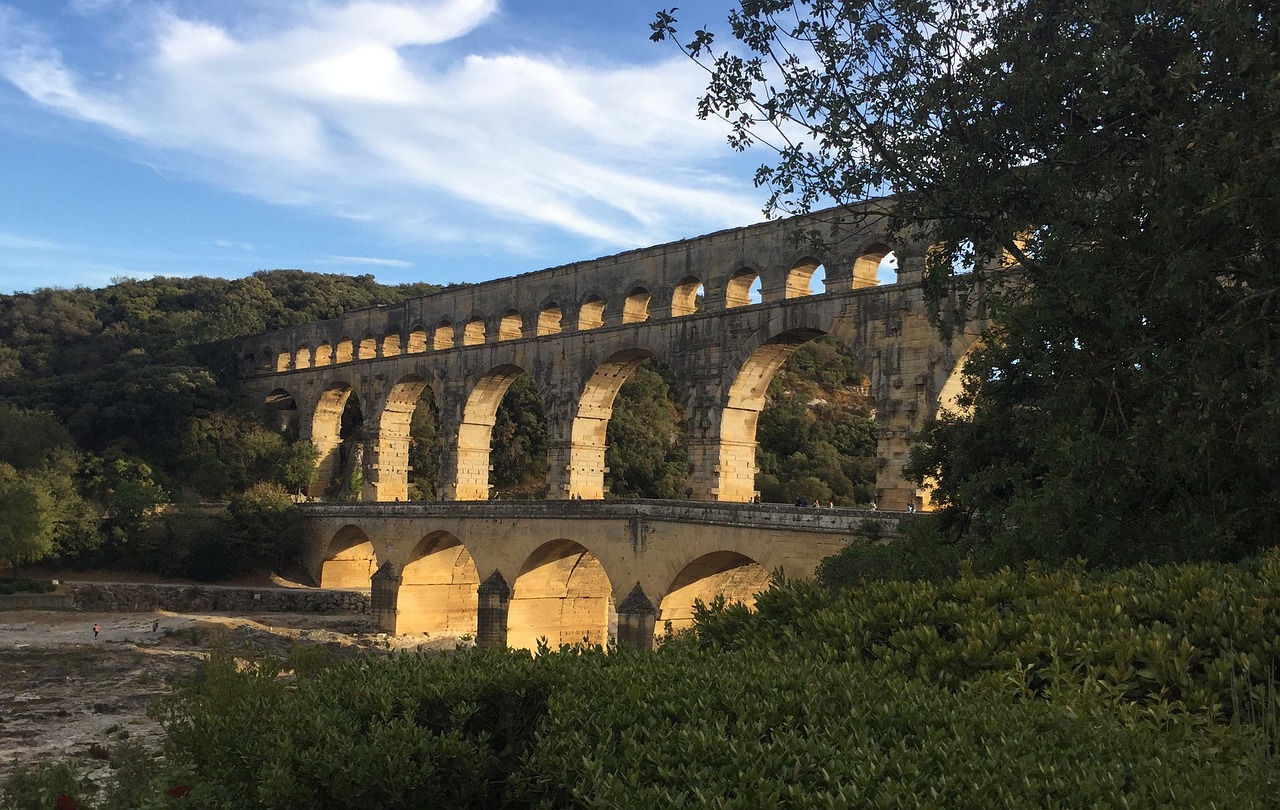
The Roman Empire, an ancient civilization that emerged from the city of Rome, arose in 27 BCE after the fall of the Roman Republic and persisted until the eventual decline of the Western Empire in the 5th century CE. This overview provides a succinct account of the Roman Empire’s history, with a more in-depth exploration…
-

Sobek, a unique deity in ancient Egyptian mythology, is often recognized for his fierce appearance characterized by a crocodile head. This narrative delves into the captivating stories, beliefs, and roles associated with Sobek, enriching our understanding of the profound nature of ancient Egyptian spirituality. Who is Sobek? Sobek, known variously as Sebek, Sochet, or Suchos,…