Tag: Mythology
-

Zhu Ba Jie: The Endearing Pig Demon of Legend Name Meaning and Origin Zhu Ba Jie is a character featuring a name steeped in meaning. “Zhu” translates to “pig,” while “Ba” represents the number eight, and “Jie” refers to prohibitions. This name was conferred upon him by Tang San Zang once he became his second…
-
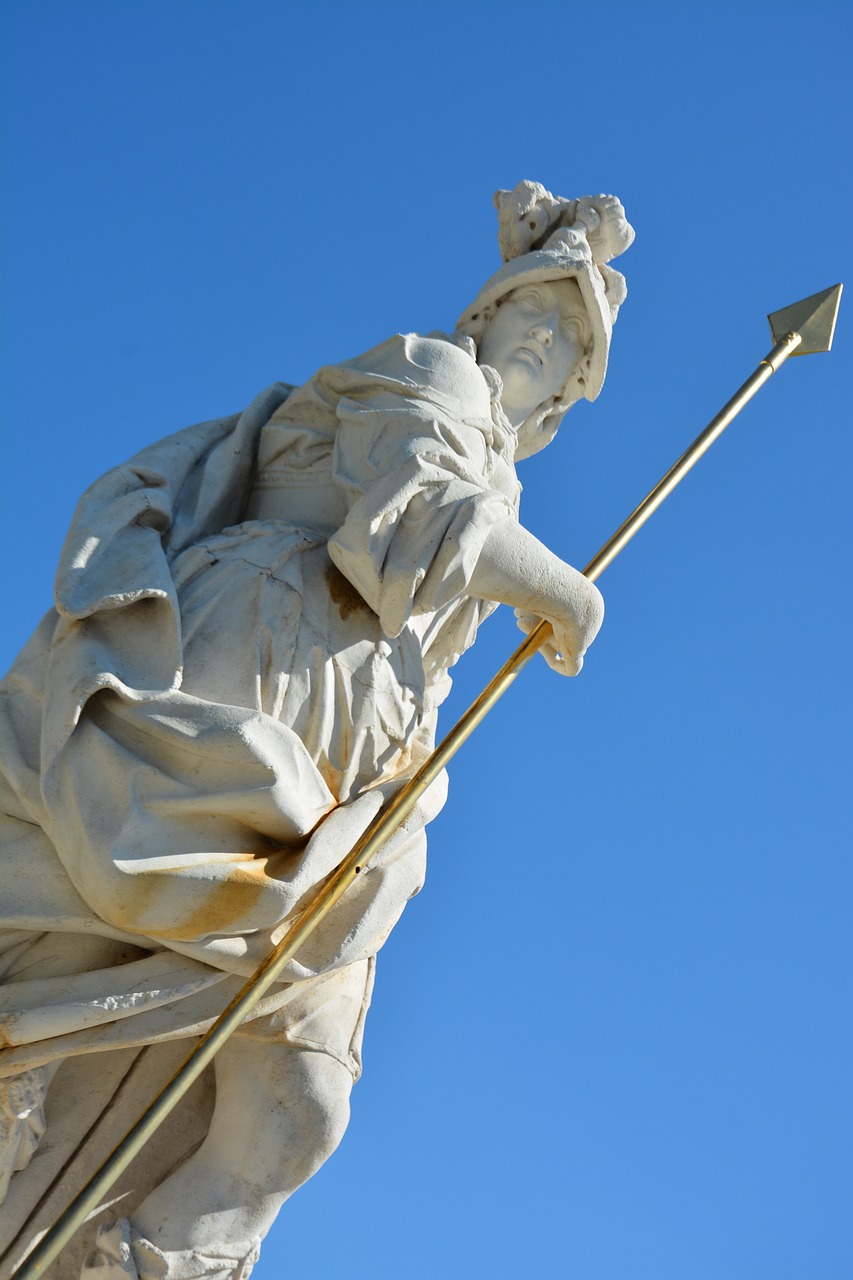
Greek mythology encompasses a rich tapestry of narratives revolving around deities, heroic figures, and ancient rituals practiced by the Greeks during Classical antiquity. Despite some acknowledgment among more analytical thinkers like Plato regarding the fictional nature embedded in these myths, they were widely accepted as truth by the general populace of the time. The enduring…
-
Anhur, also known as Onuris in Greek, is an ancient Egyptian deity associated with warfare and hunting. Hailing from This, located in the Thinite region close to Abydos, he was a protector and defender of his father, Ra, the sun god, earning him the moniker “slayer of enemies.” Anhur played a crucial role in safeguarding…
-
There are numerous legendary narratives woven into Ireland’s enchanting history, yet among the most captivating and formidable figures that emerge is Manannán Mac Lir. The Son of the Sea Manannán, referred to as ‘Mac Lir’, translates to ‘son of the sea’, aptly reflecting his essence. Throughout various tales, he is depicted traversing the ocean’s surface—whether…
-

Hephaestus stands out as an intriguing figure in Greek mythology, embodying the essence of fire, craftsmanship, and resilience. Unlike many gods who are often portrayed as immensely powerful and charismatic, Hephaestus’s narrative revolves around themes of determination, creativity, and the acceptance of imperfection. For those passionate about mythology or simply intrigued by ancient tales, the…
-
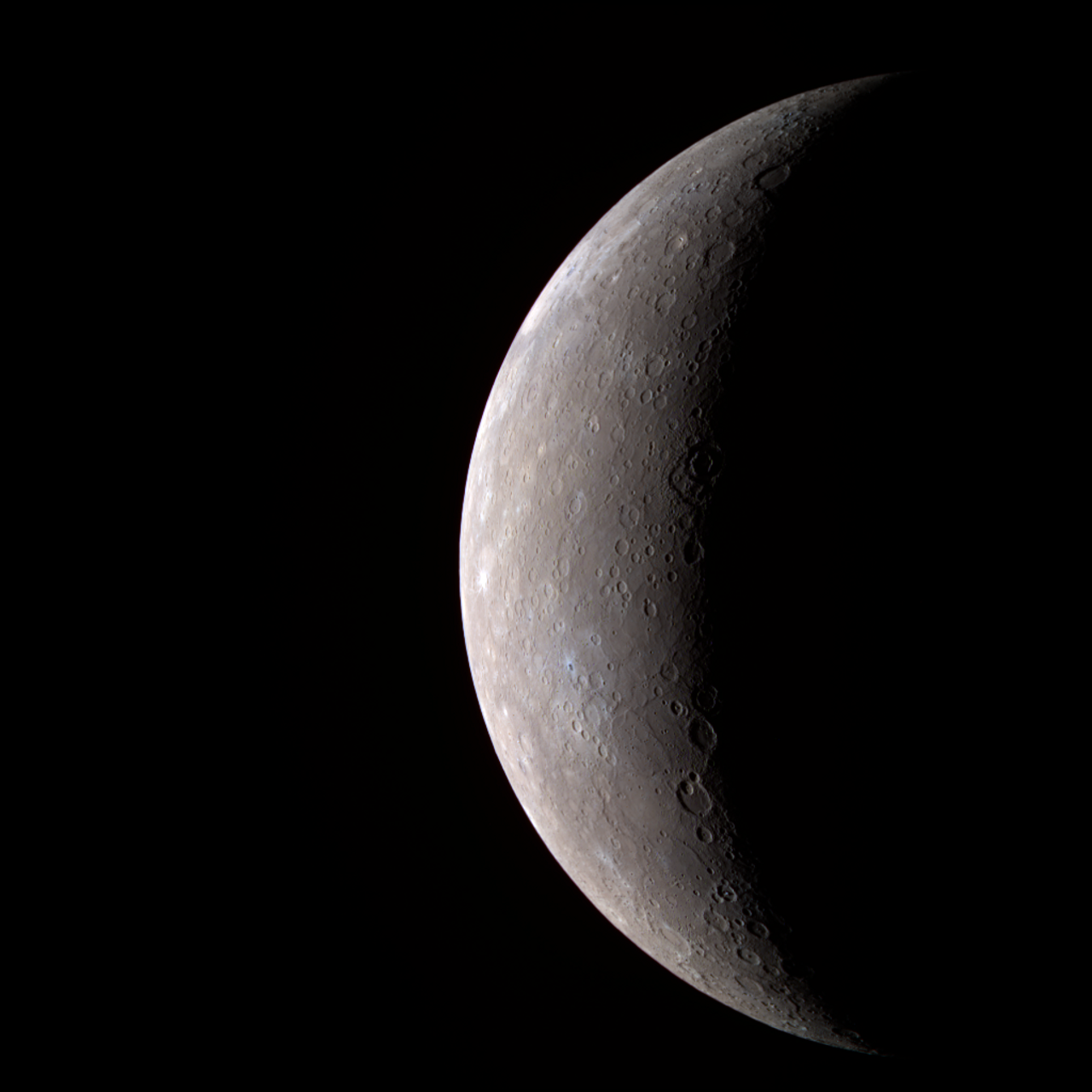
Mercury and Its Mythological Significance Mercury stands out as the smallest planet in our solar system and also holds the distinction of being the closest planet to the Sun. Its orbital revolution around the Sun takes merely 88 days, which makes it the fastest-moving planet in our celestial neighborhood. Its visibility as a bright object…
-
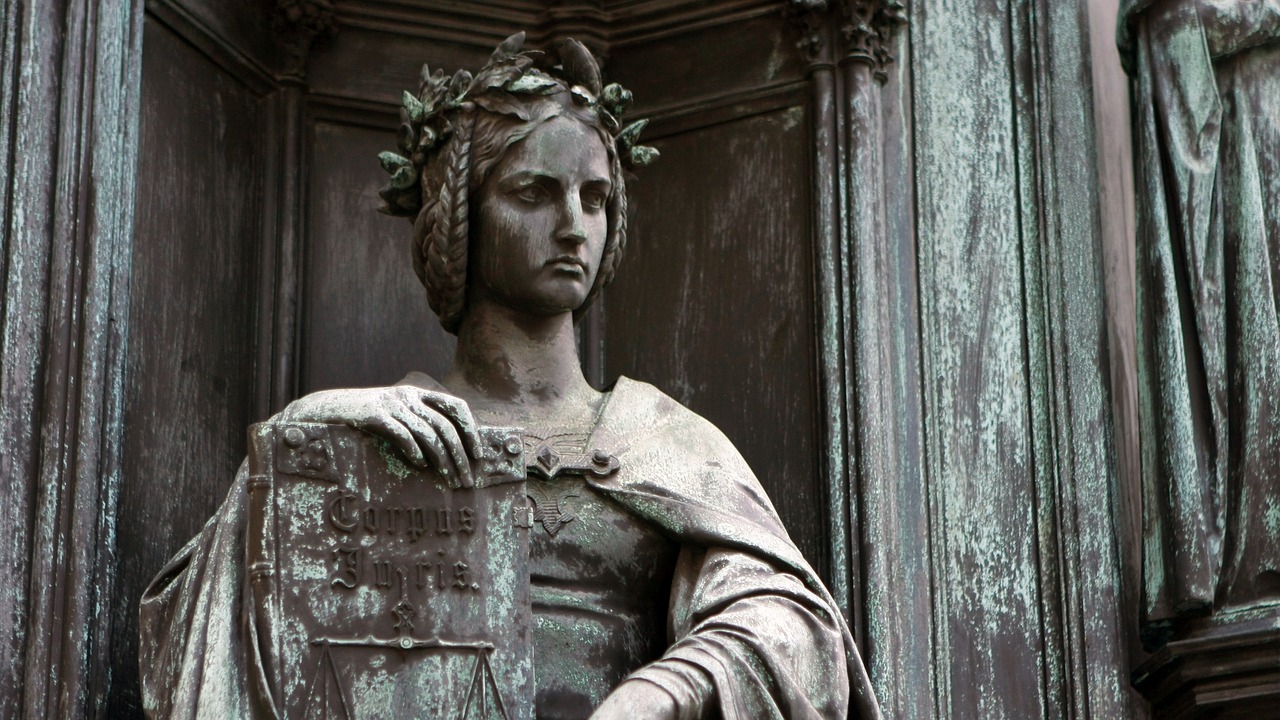
In Greek mythology, Cronus, also referred to as Kronos, is considered a Titan and the youngest offspring of Uranus (the sky) and Gaia (the earth). He famously ousted Uranus to ascend as the world’s inaugural king, reigning alongside his fellow Titans. Cronus entered into marriage with his sister, Rhea, but ultimately faced insurrection from his…
-
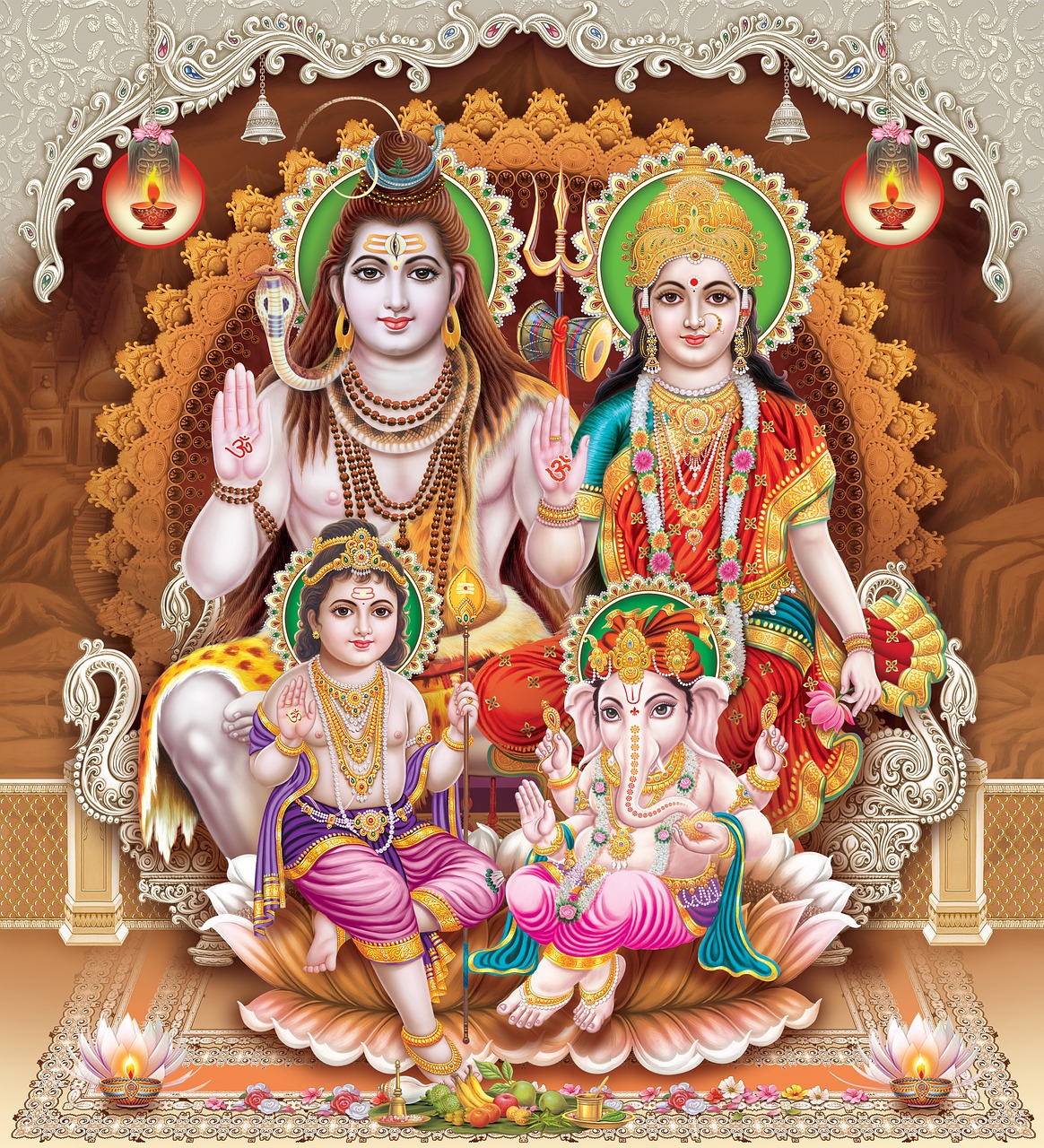
Zeus, the chief deity of ancient Greek religion, is a figure deeply rooted in myth and culture, synonymous with the Roman god Jupiter. His name likely has its origins in the sky god Dyaus, found in ancient texts like the Rigveda. Revered as the overseer of thunder, lightning, rain, and winds, Zeus wielded the thunderbolt…
-
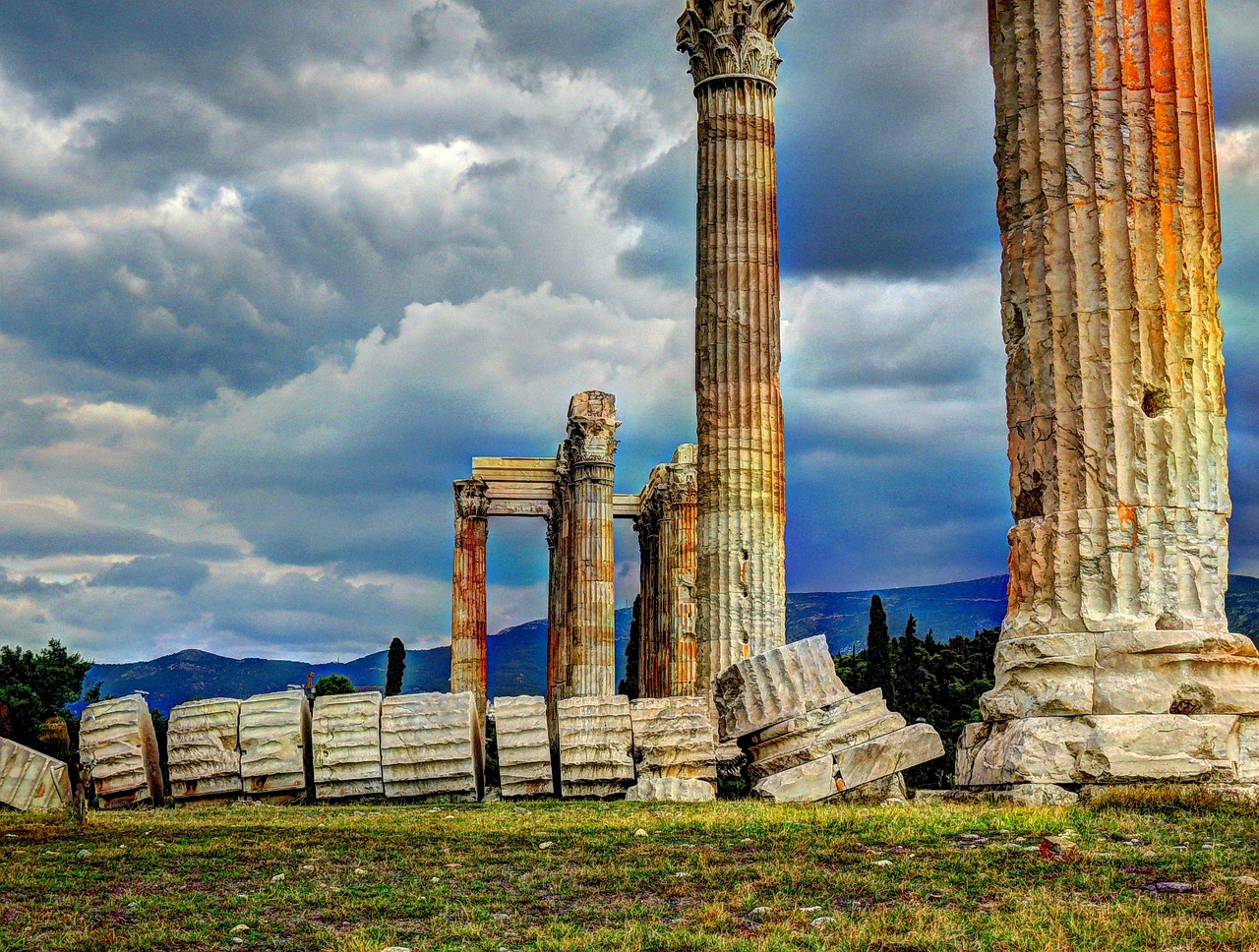
Understanding Zeus: The Reigning Olympian Zeus, known as Jupiter or Jove, occupies the esteemed position as the King of the Gods within Greek mythology. He symbolizes power over the sky, weather, law, destiny, and kingship. He is traditionally portrayed as an imposing, dignified figure adorned with a dark beard. His quintessential symbols include the lightning…
-

In ancient Greece, mythology served as both a historical record and a framework for shaping political ideologies. Unlike the contemporary understanding of the term “myth,” which often implies fiction, ancient myths were considered an alternate reality. The emergence of Theseus as a prominent national figure in Athens can be traced to various historical and political…