Author: Sun WuKong
-

Hestia: The Virgin Goddess of the Hearth and Home Hestia, representing the essence of home and hearth, played a pivotal role in Greek mythology as the virgin goddess governing both domestic and civic fire. The sector of community meals and bread-making fell under her purview, as she oversaw the preparation of family feasts. As the…
-
In this work, Goldsworthy aims to explore why certain Roman generals achieved remarkable success and what insights can be gleaned from their experiences. He examines a variety of commanders, spanning from the Punic Wars in the 3rd century BCE, critical to Rome’s continuity and future direction, to Belisarius, the last eminent general who endeavored to…
-
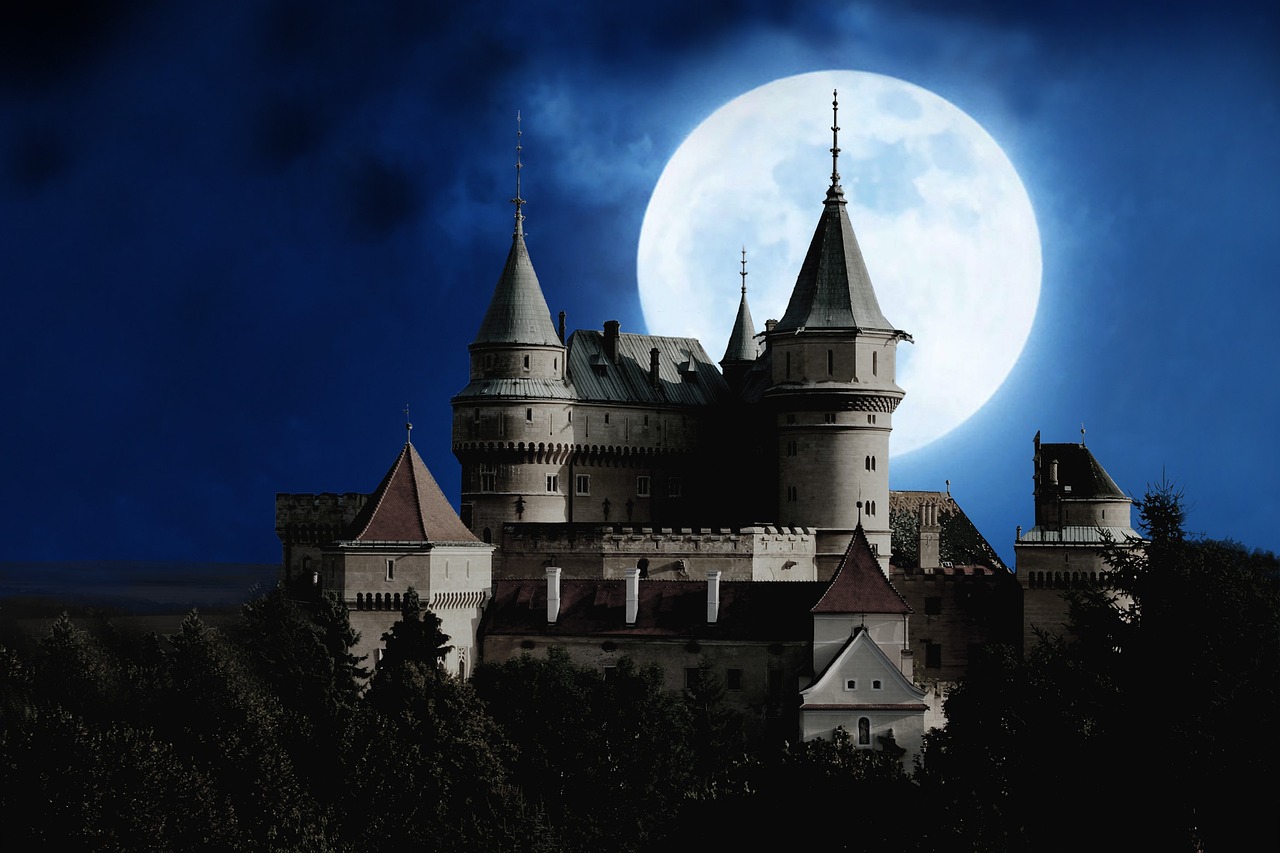
Selene: The Titan Goddess of the Moon Selene, known as the Titan goddess of the moon, is often depicted riding a horse or steering a chariot pulled by winged horses across the night sky. The representation of Selene includes a crescent moon atop her head or as part of her shining garment. In some stories,…
-

Uranus: The Primordial Sky God in Greek Mythology Uranus (Ouranos) is recognized as the primordial deity of the sky in Greek mythology. The ancient Greeks conceptualized the sky as a vast dome of solid brass adorned with stars, its edges resting upon the farther extremities of the flat earth below. Thus, Uranus personifies the sky…
-
Hades, the Overlord of the Underworld Hades, known as Haides in Greek mythology, stands as the sovereign of the underworld and the deity of the dead. He was central to the funerary customs and guaranteed the deceased their right to burial. Besides ruling the shadows of the deceased, Hades represented the concealed riches of the…
-

Overview Arawn is recognized as the Welsh sovereign of Annwn, the Otherworld featured prominently in the Mabinogi tales. Renowned for his prowess in hunting and magic, particularly shapeshifting, his significance is largely associated with Pwyll, the Lord of Dyfed. Etymology The name Arawn is thought to stem from a Welsh variation of the Hebrew name…
-

The Legendary Cú Chulainn: Myths and Landscapes of the Great Irish Hero The captivating nature of oral traditions ensures that stories evolve over time, with various interpretations illuminating mythic figures. Among these significant heroes in Irish folklore is Cú Chulainn, a figure steeped in legend and renowned for his extraordinary feats. This article presents an…
-
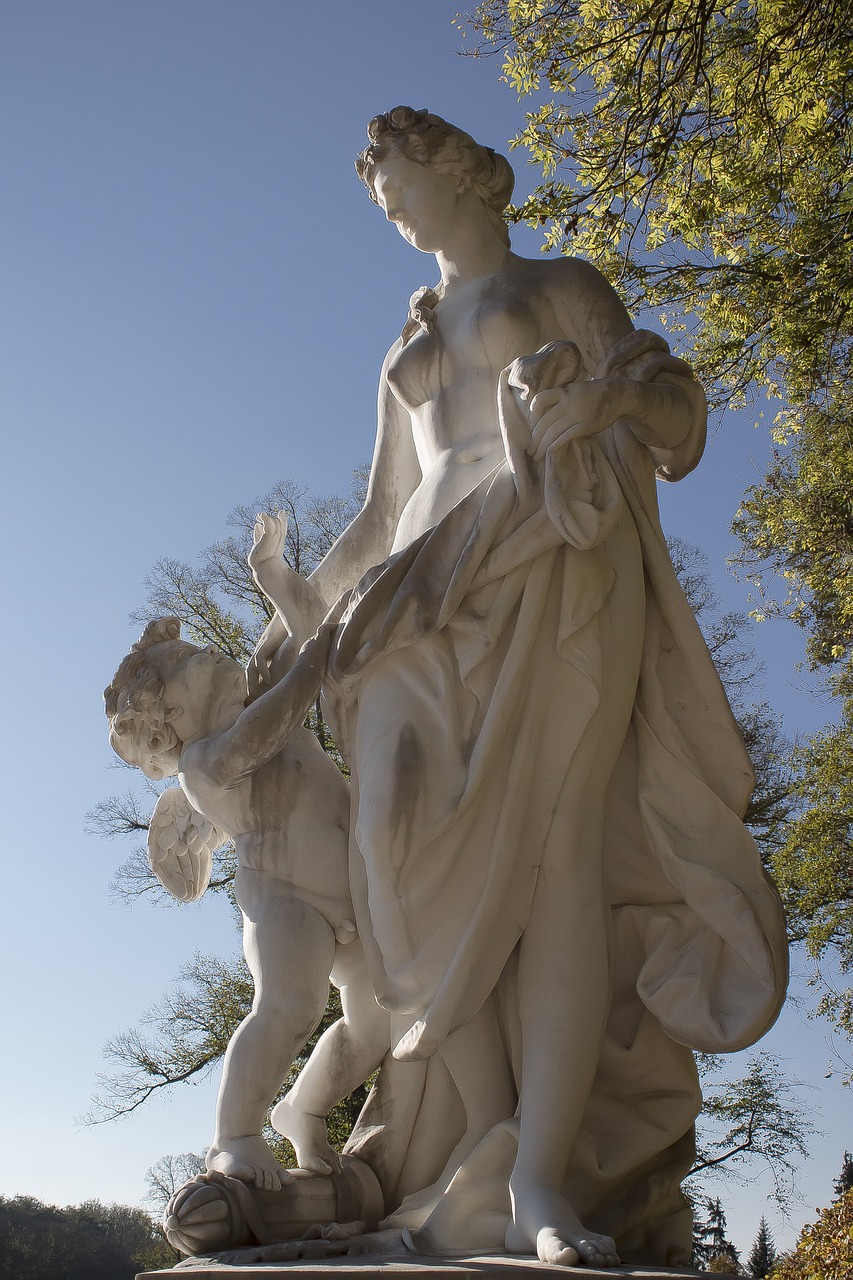
Overview of Venus: The Roman Goddess of Love Venus, the Roman embodiment of love, maternal care, sexual reproduction, and desire, was revered as one of the most beautiful deities in the Roman pantheon. Renowned for her ability to attract both mortals and gods, she exhibited a fluid approach to sexuality, captivating both male and female…
-

Selene: The Moon Goddess of Greek Mythology Selene, known in Greek mythology as the Titan goddess of the moon, is a captivating figure often depicted gracefully riding sidesaddle on a horse or controlling a chariot pulled by two winged horses. Her head often features a radiant crown that embodies her lunar essence or a crescent…