Author: Sun WuKong
-
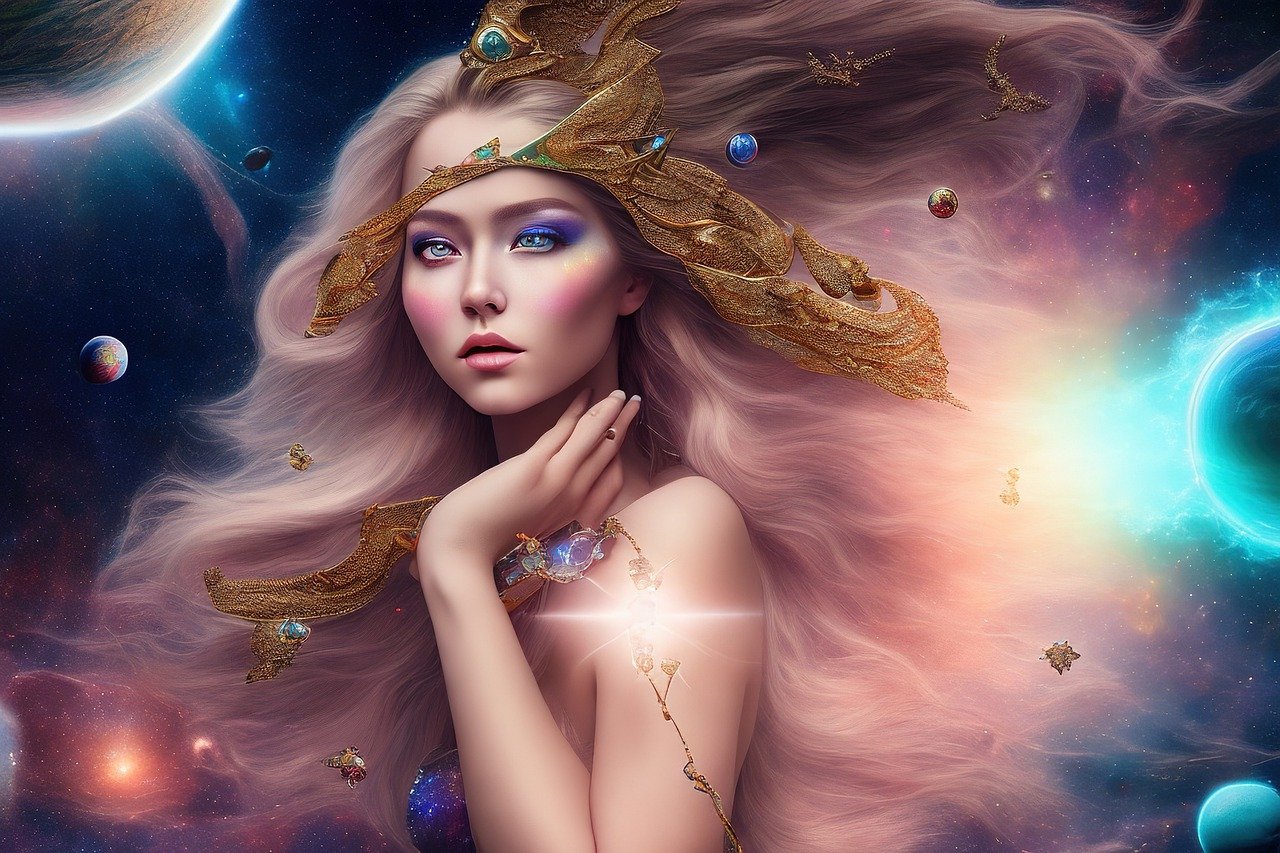
Sulis stands out as one of the more notable goddesses of the Celtic pantheon, predominantly worshipped at her solitary shrine located at a thermal spring in the southwest of England. Known to the Romans as Aquae Sulis, this site served as both a spa and a temple dedicated to Sulis Minerva, her Romano-Celtic incarnation. The…
-
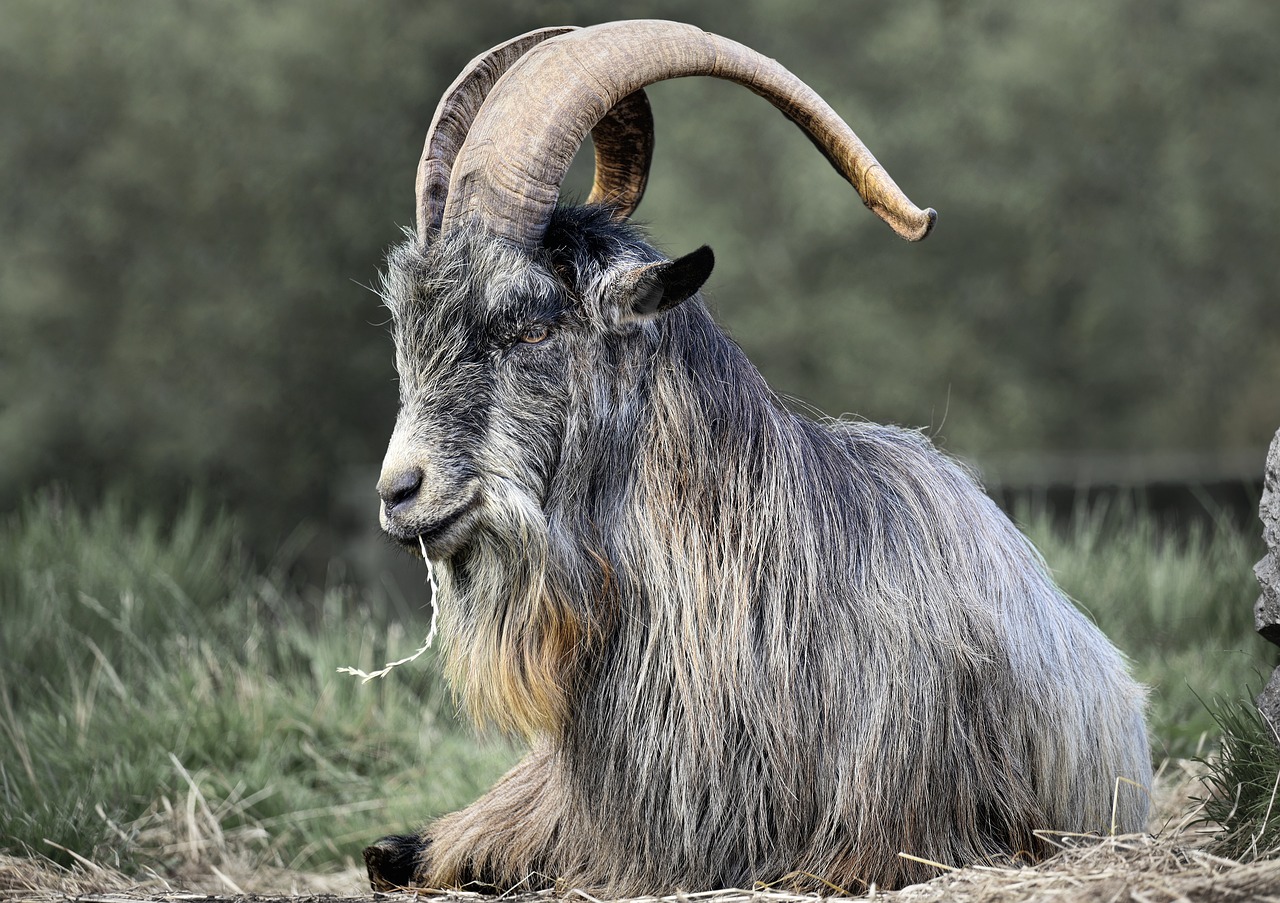
In Irish folklore, Bodb Derg, also known as Bodhbh Dearg, stands out as a significant figure, being either the son of Eochaid Garb or the Dagda himself, and later taking on the mantle as King of the Tuatha Dé Danann. His name, potentially stemming from a cognate of “bádhbh,” translates to “Red Crow,” showcasing a…
-
The God Montu and the Theban Palladium Montu was a significant solar deity from the Theban region, with a worship tradition extending until the close of ancient Egyptian civilization. In the Late Period, as various animal deities flourished, Montu’s veneration became particularly focused on the earthly manifestation represented by the Bukhis bull. Montu is primarily…
-
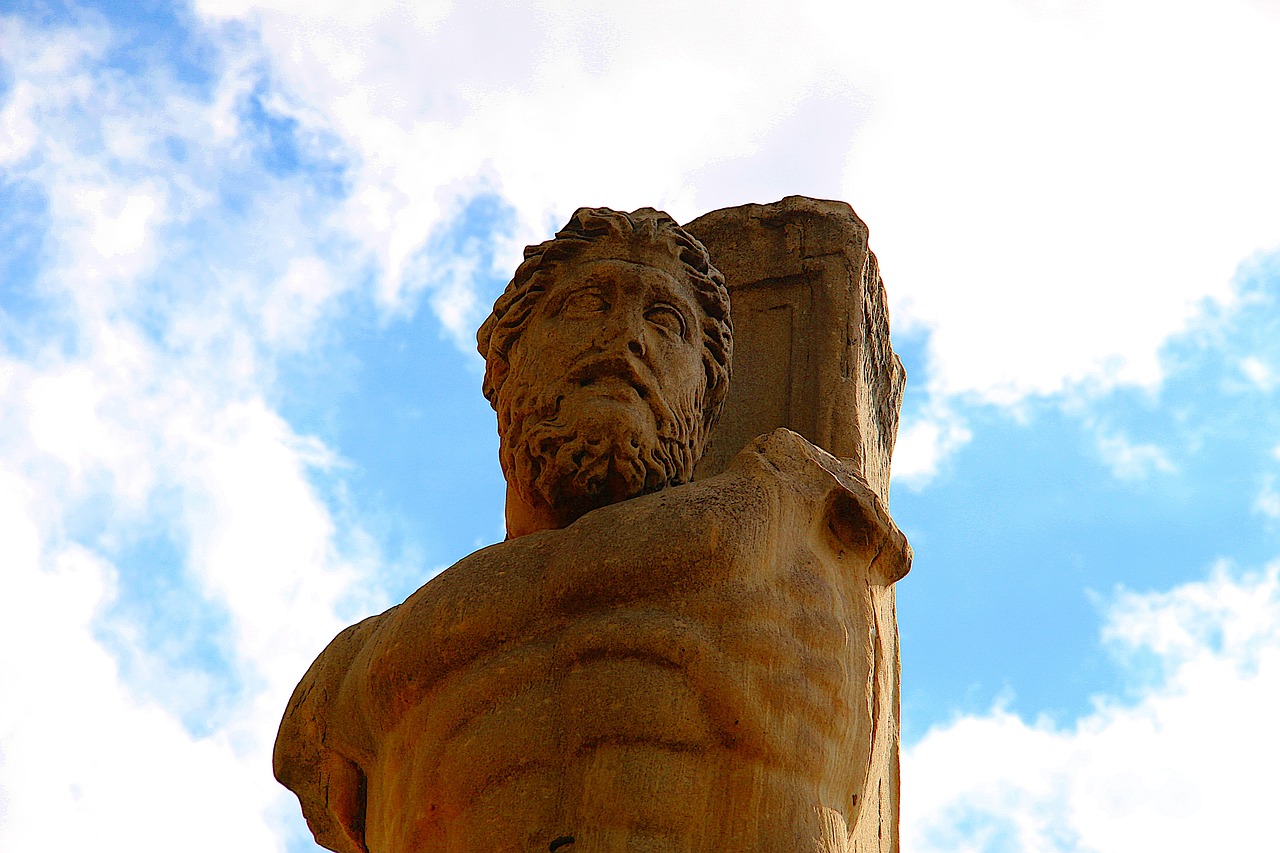
Zeus, the predominant deity in ancient Greek mythology, is a sky and weather god and is synonymous with the Roman god Jupiter. His name likely shares roots with the ancient Hindu sky god Dyaus, as found in the Rigveda. Known as a formidable figure who wielded thunder and lightning, Zeus’s primary weapon was the thunderbolt,…
-

Manannán mac Lir: The Enigmatic Sea God of Irish Mythology Manannán mac Lir, often referred to simply as Manann, is a prominent figure in Irish mythology and also has a presence in Welsh traditions, where he is known as Manawydan. Renowned as the “son of the sea,” Manannán mac Lir embodies numerous attributes, including being…
-
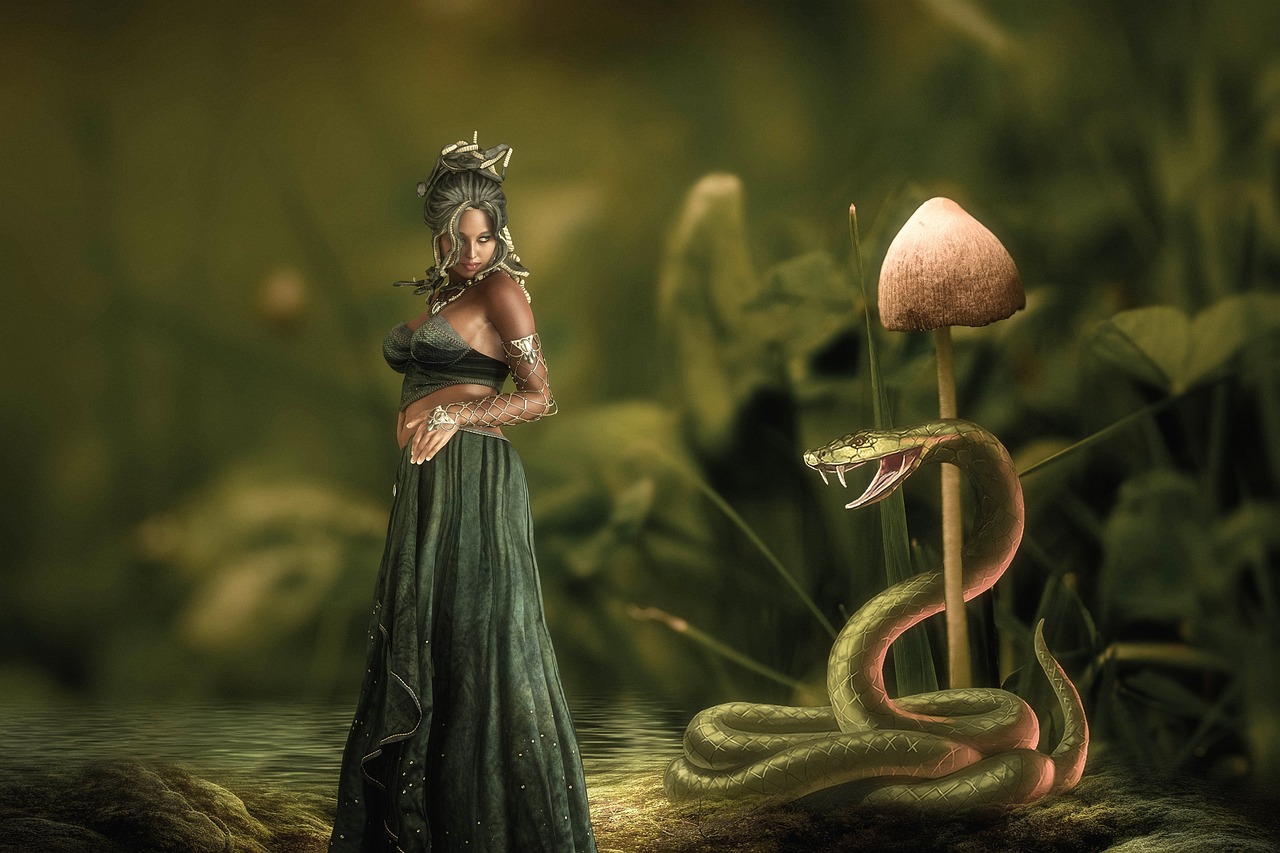
Medusa, a prominent figure in Greek mythology, stands out as the sole mortal among the trio of Gorgons, which also includes her immortal sisters Stheno and Euryale. These three were offspring of Phorcys, the sea deity associated with hidden dangers of the abyss, and Ceto, the goddess embodying sea monsters and threats of the ocean.…
-

The Burning Shepherd: A Tale of Fate and Greed Deep in the plains of Strijbeek in Noord-Brabant, a chilling sight emerges at night – the spectral figure of a burning shepherd. This eerie figure is the unfortunate Ward, a shepherd whose tale is steeped in local folklore. On one sweltering day, as the sun beat…
-
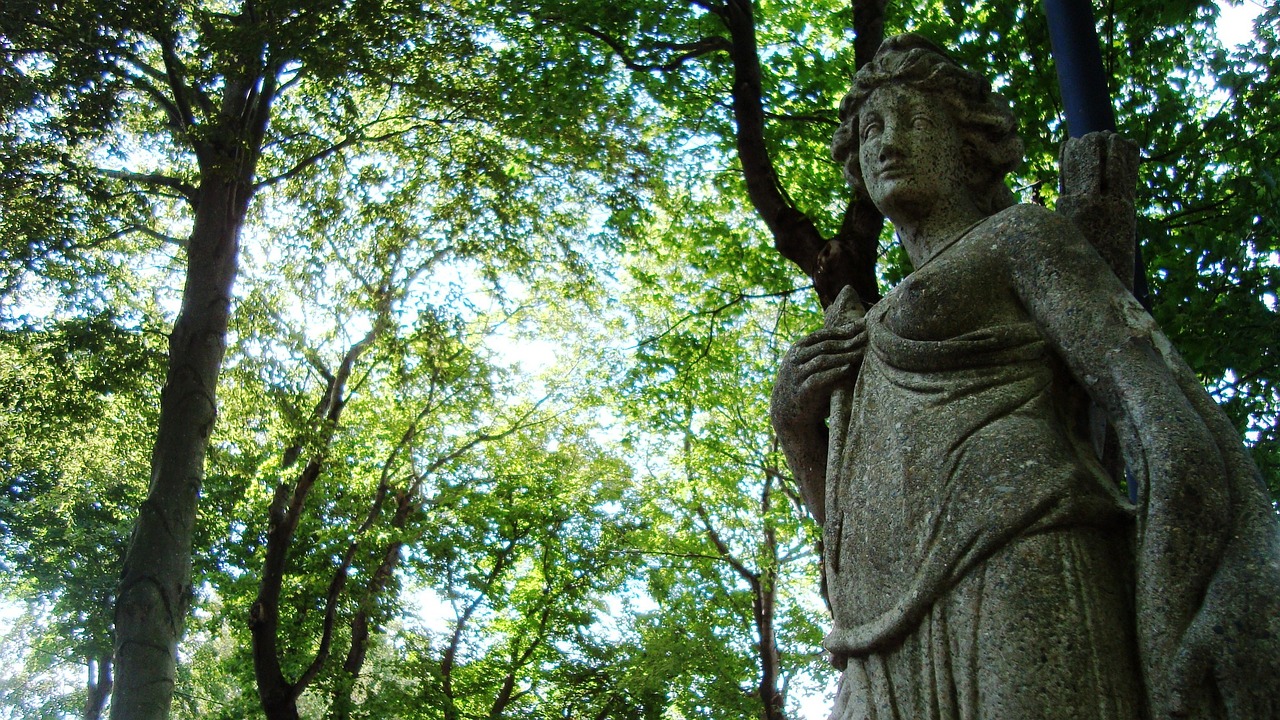
Greek mythology encompasses a rich tapestry of narratives surrounding the gods, heroes, and rituals that characterized the beliefs of the ancient Greeks during Classical antiquity. Although some critical thinkers, notably the philosopher Plato in the 5th-4th centuries BCE, recognized that myths included elements of fiction, they were generally accepted as truth among the populace. Greek…
-
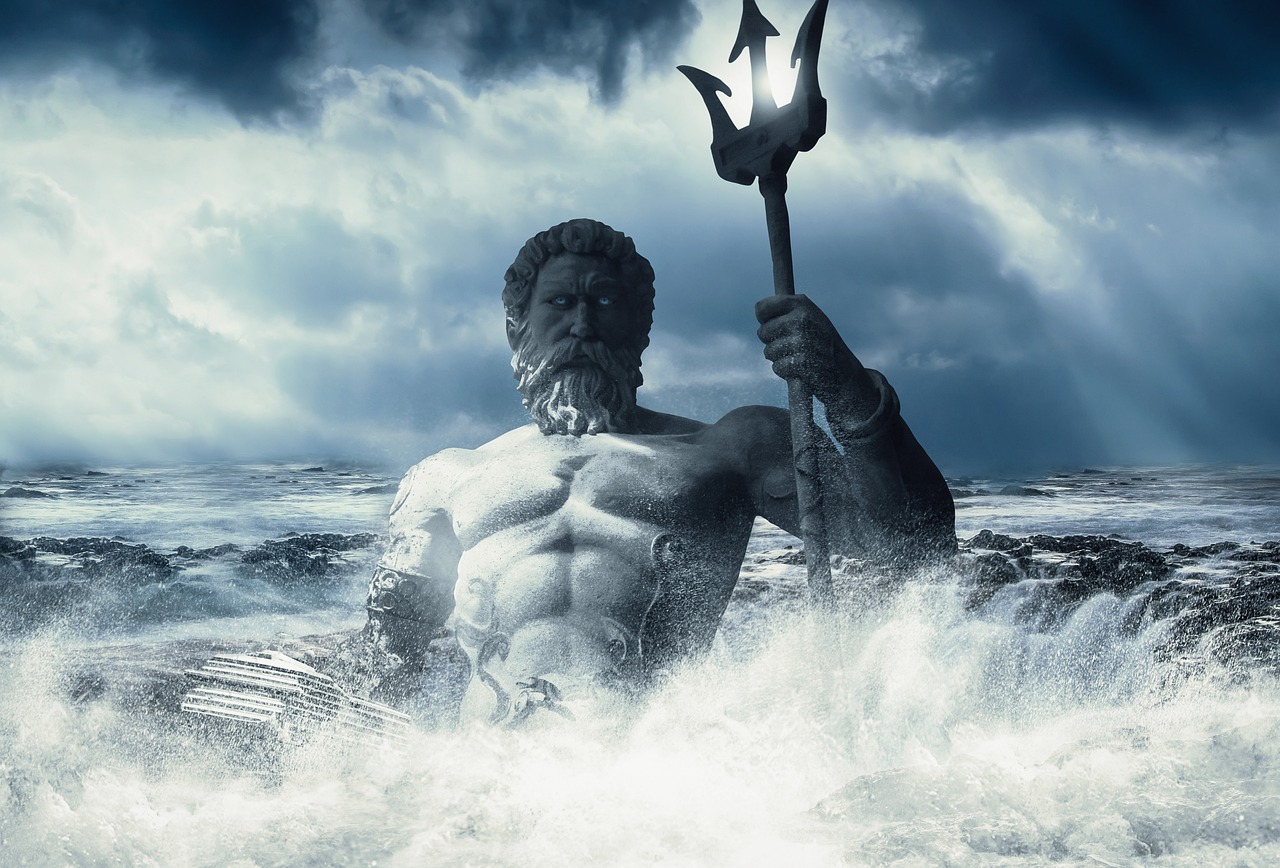
Lugh, known also as Lug or Luga, stands as a central figure among Celtic deities, especially in Irish traditions, where he embodies the sun and illumination. Originally perceived as an all-knowing and all-seeing god, Lugh later evolved into a renowned warrior and a significant cultural icon for the Irish. He is often referred to by…
-
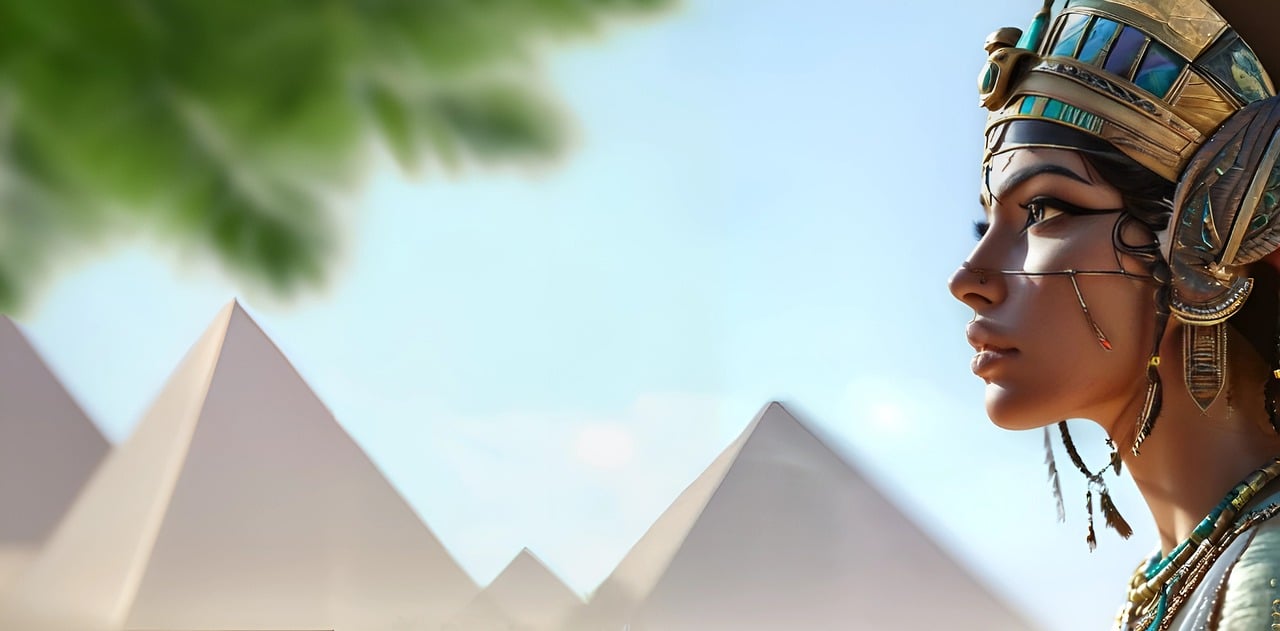
Apollo, the famed son of Zeus and Leto, is a revered figure in mythology, best known for his dual character embodying light and illumination in various forms. His birth is said to have taken place on the island of Delos, alongside his twin sister Artemis (Diana). Initially seen as a god of light, Apollo was…