Author: Erlang Shen
-
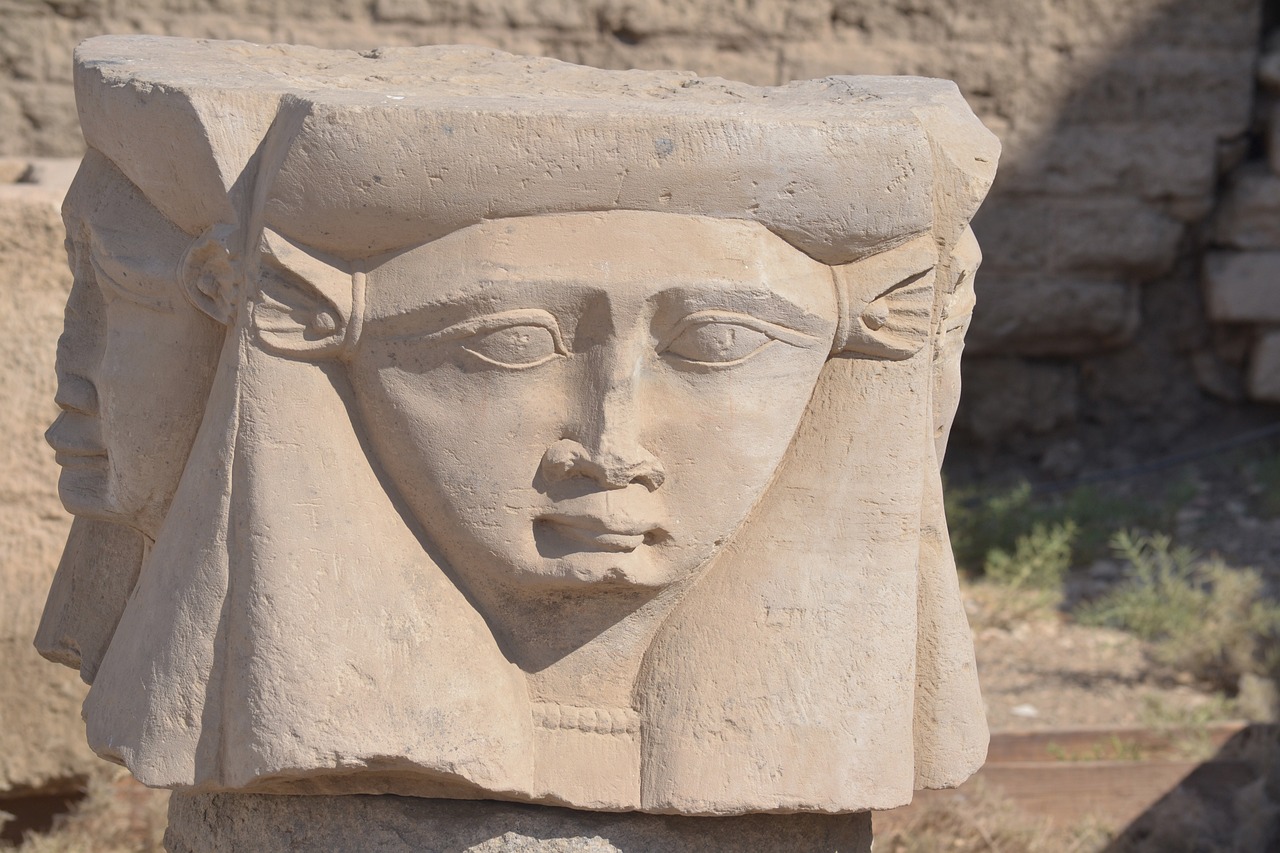
Hathor, an ancient Egyptian goddess known as ‘the great one of many names,’ was cherished for her multifaceted nature and diverse roles. Often portrayed as a cow or a woman adorned with cow’s ears, Hathor embodied maternal care and nurturing qualities. Her associations extended to the heavens, as well as love, beauty, music, dance, fertility,…
-
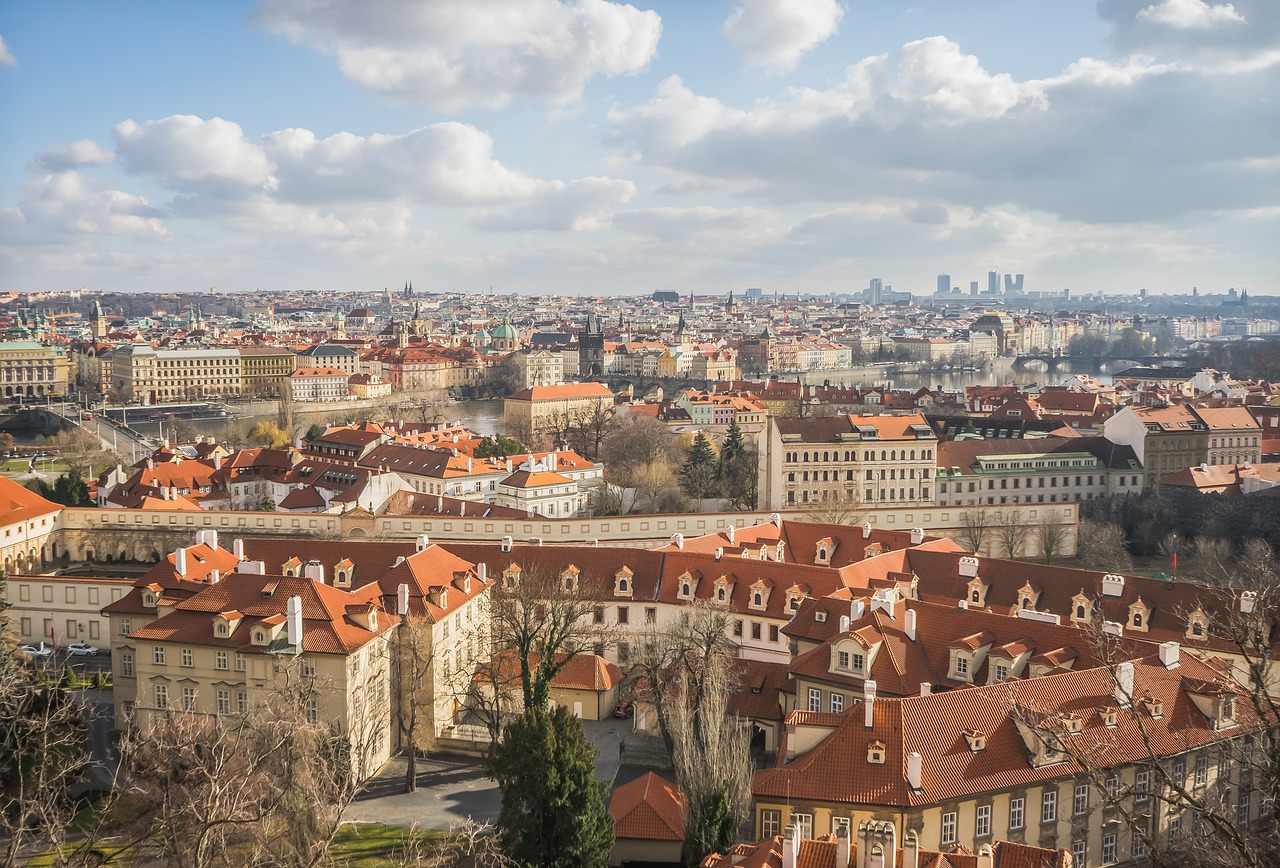
When visiting Rome City Centre, a plethora of sightseeing options awaits. Starting with Casino dell Aurora a Pallavicini, you will find numerous attractions within reach. Notable sites such as St. Peter’s Basilica, the Roman Forum, and Piazza Navona are just a stone’s throw away, ensuring a fulfilling day of exploration. For those interested in accommodations,…
-
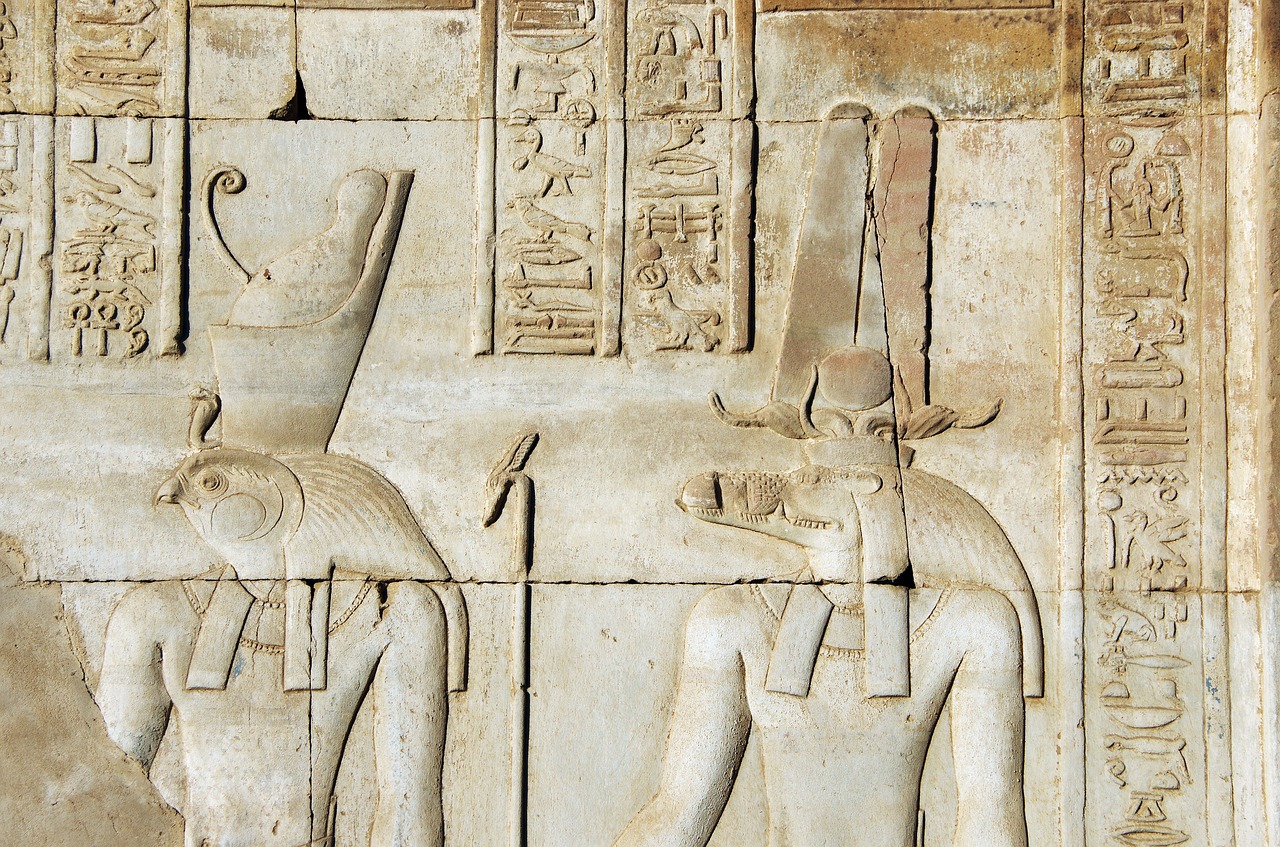
Sobek is a fascinating figure among the deities of ancient Egypt, renowned for his distinct crocodile head and the significant strength he embodies. This exploration delves into Sobek’s myths, his revered place in the religion of ancient Egypt, and the vital roles he played in their culture. Who is Sobek? Sobek, also referred to as…
-

Lugh holds a vital position in Irish mythology, embodying multiple identities such as a sun god, master artisan, king, and warrior. His significance in Celtic lore is profound, making him one of the most formidable deities. Scholars often debate whether Lugh was purely mythical or rooted in a historical figure who was later venerated. Understanding…
-

Selene, also known as Mene, is a significant figure in Greek mythology, embodying the essence of the moon. By night, she traverses the heavens in a grand chariot, pulling the moon along with her. Selene is the offspring of the Titans Hyperion and Theia, sharing familial ties with her siblings—Helios, the sun god, and Eos,…
-
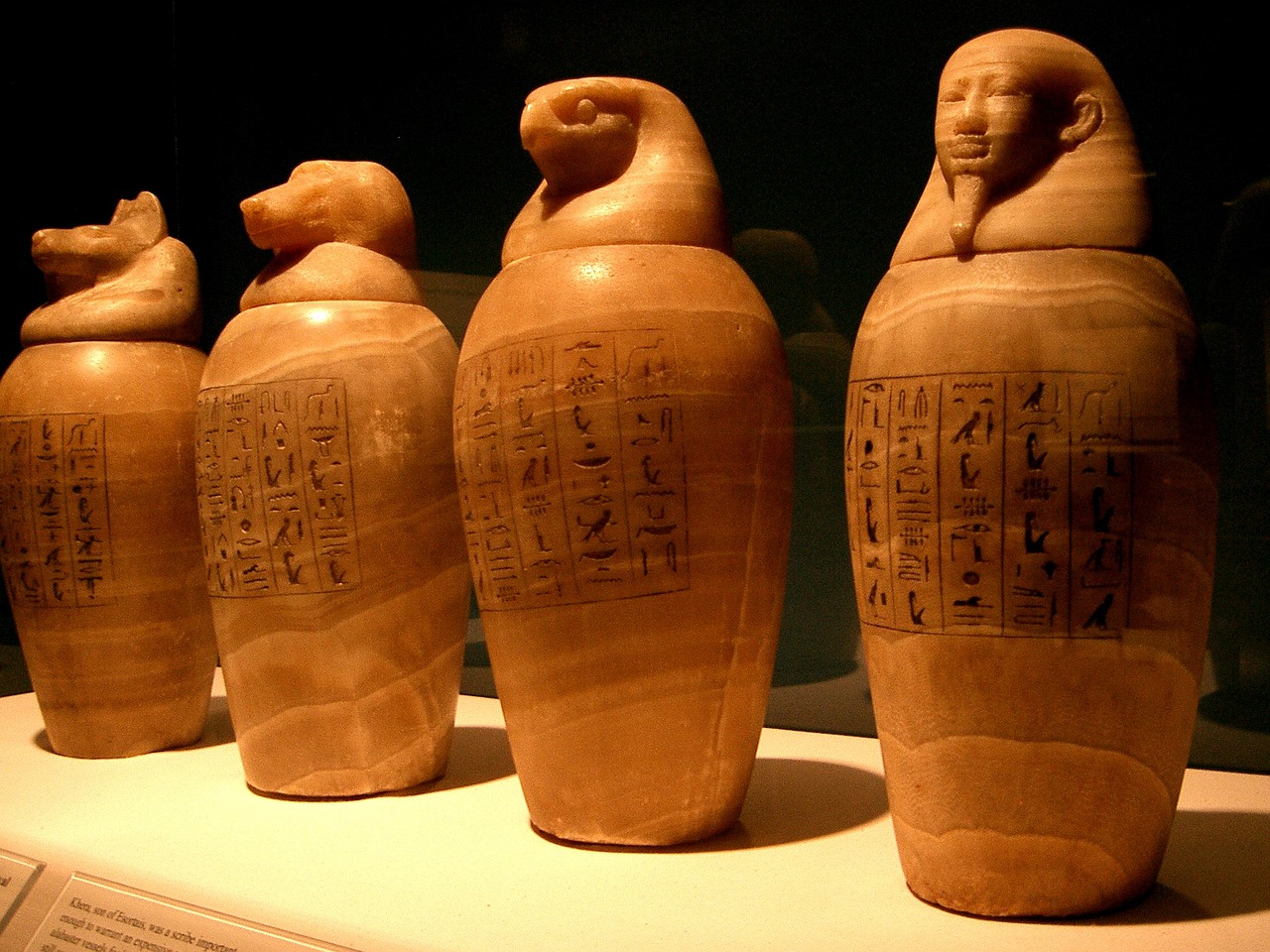
The Book of the Dead of Hunefer presents a fascinating insight into the role of Anubis, the ancient Egyptian deity associated with death and the afterlife. Anubis, typically represented with the head of a jackal, was revered for guiding souls through the transition to the afterlife. His duties included mummification and protecting the deceased from…
-

In the localized practice of Celtic polytheism found in Great Britain, Sulis was a revered deity associated with the thermal springs at Bath, now part of Somerset. The Romano-British worshipped her under the name Sulis Minerva, indicating a dual persona; she was seen both as a nurturing mother goddess and a formidable force for delivering…
-
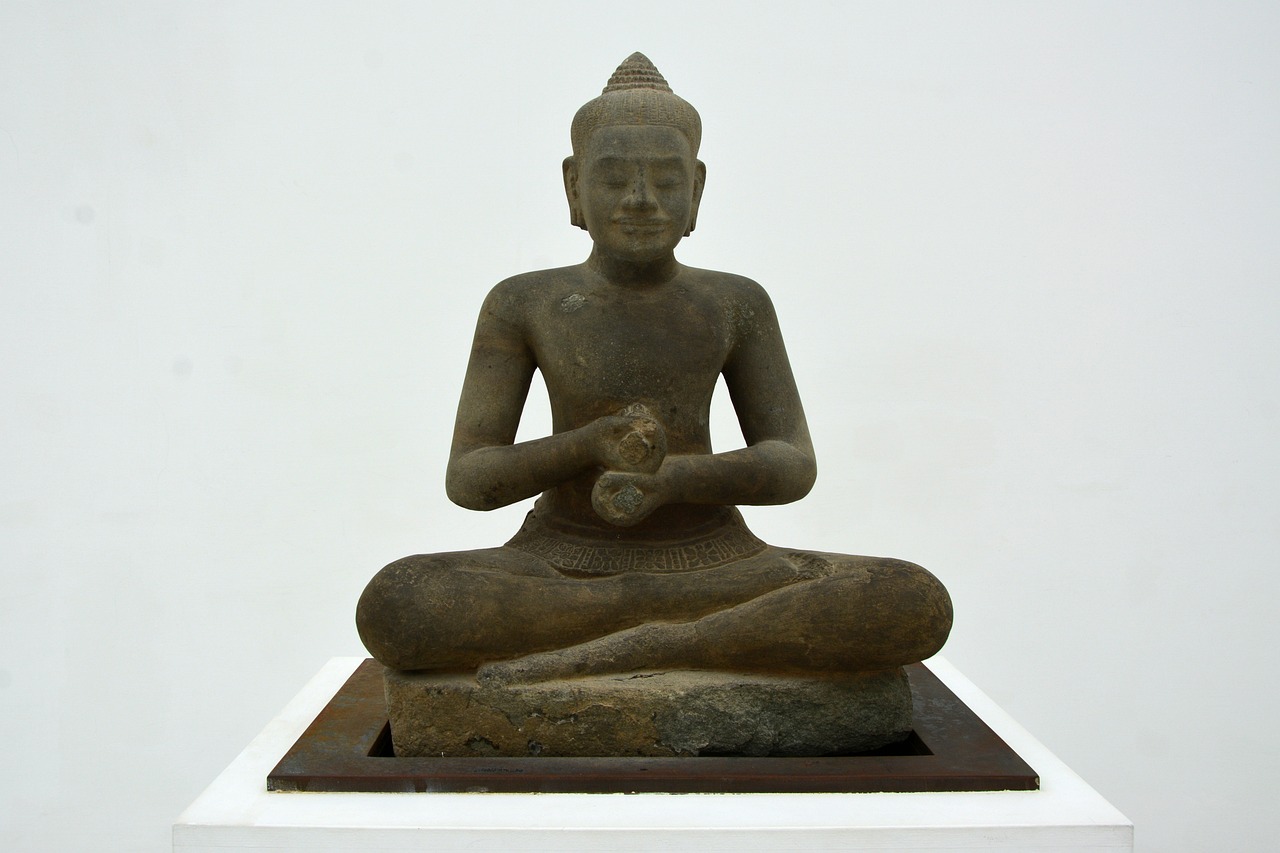
The Metropolitan Museum of Art houses an extensive collection of ancient Egyptian art, totaling around 26,000 items rich in artistic, historical, and cultural significance, ranging from the Paleolithic era to the Roman period (approximately 300,000 B.C. to the 4th century A.D.). Artifacts and Culture The collection serves as a testament to the diverse aspects of…
-
The multifaceted figure of the Morrigan weaves a rich tapestry of myths and symbols within Irish mythology. As we delve into her intricate symbolism and the narratives that surround her, we embark on a journey towards a deeper appreciation of this remarkable deity. The Morrigan is not just associated with war and death; she embodies…
-
The Ancient Goddess Bellona: A Complex Persona of War In the polytheistic society that characterized Rome before the official embrace of Christianity in the mid-4th century, the Romans engaged in the worship of numerous deities, celebrating various festivals and making sacrifices throughout the year. This rich tapestry of worship was hierarchical; important gods such as…