-

Aphrodite, the Olympian goddess of love and beauty, represents the essence of attraction and desire. Often depicted as a stunning woman in classical art, she is frequently accompanied by Eros, the winged deity of love. Key symbols associated with her include the dove, an apple, a scalloped shell, and a mirror, with many works of…
-

Hieroglyphic writing is a system that utilizes visual characters, often in the form of images. These symbols, termed hieroglyphs, can be interpreted as direct images, representations of objects, or phonetic sounds. The term “hieroglyphic,” derived from the Greek word meaning “sacred carving,” first appeared in the texts of Diodorus Siculus in the 1st century BCE.…
-
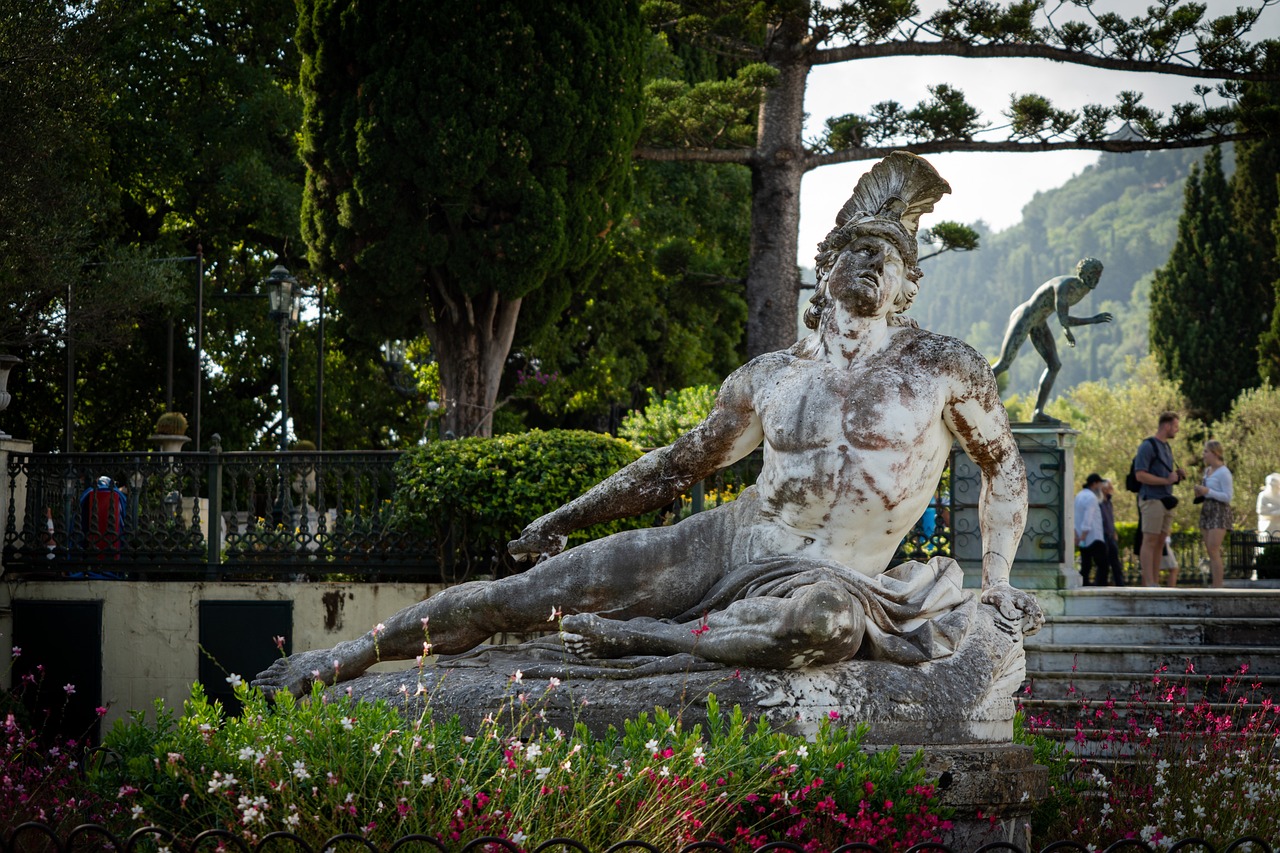
The Trojan War: The Clash of Achilles and Hector When Helen was taken to Troy by Paris, her husband Menelaus summoned the Greek leaders to help him reclaim her. This call to action ignited a war that many were hesitant to join, not wanting to sacrifice their lives or those of their soldiers for such…
-
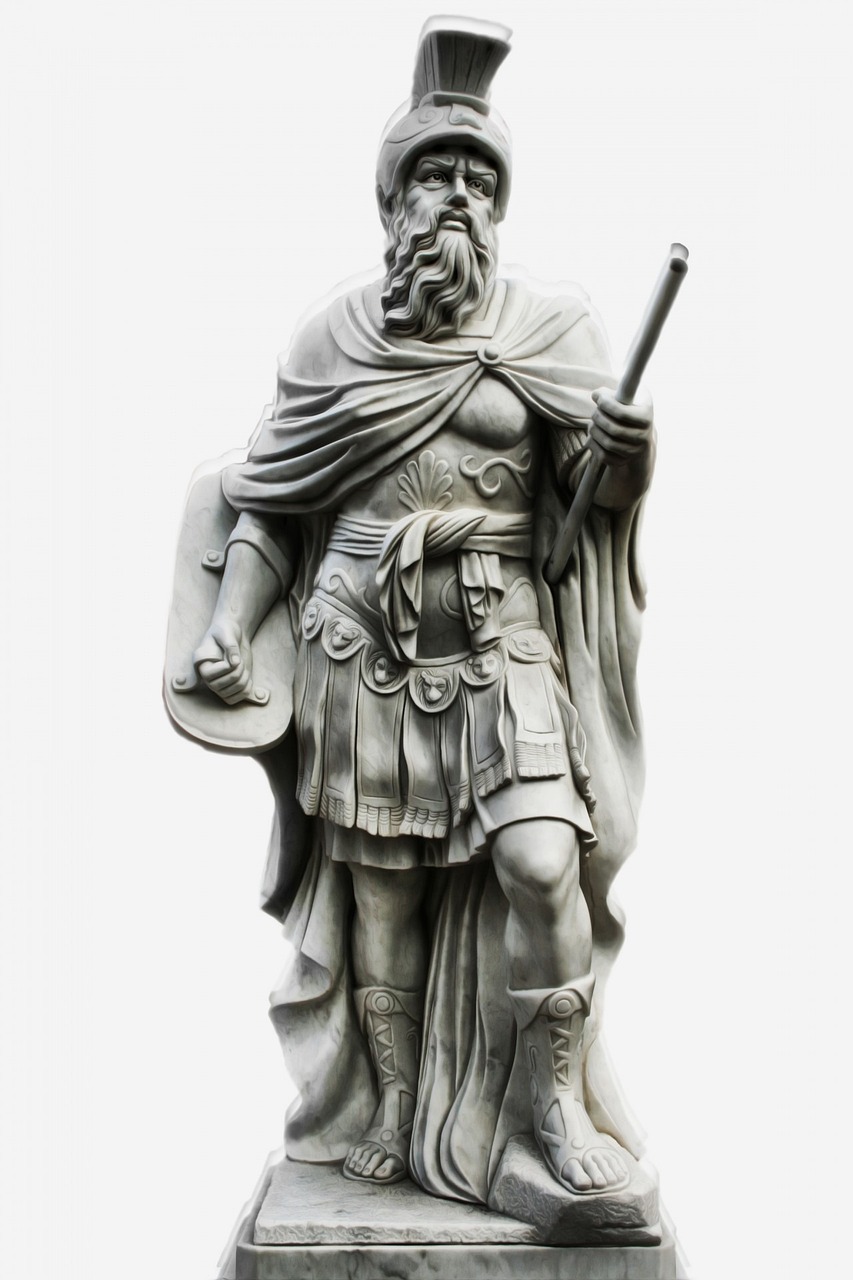
Roman Religion: Beliefs and Practices through Time Roman religion, spanning from ancient times to the rise of Christianity in the 4th century CE, encompasses the beliefs and rituals practiced by the inhabitants of the Italian peninsula during Classical antiquity. Renowned orator Cicero remarked on the Romans’ exceptional wisdom in recognizing that all things exist under…
-
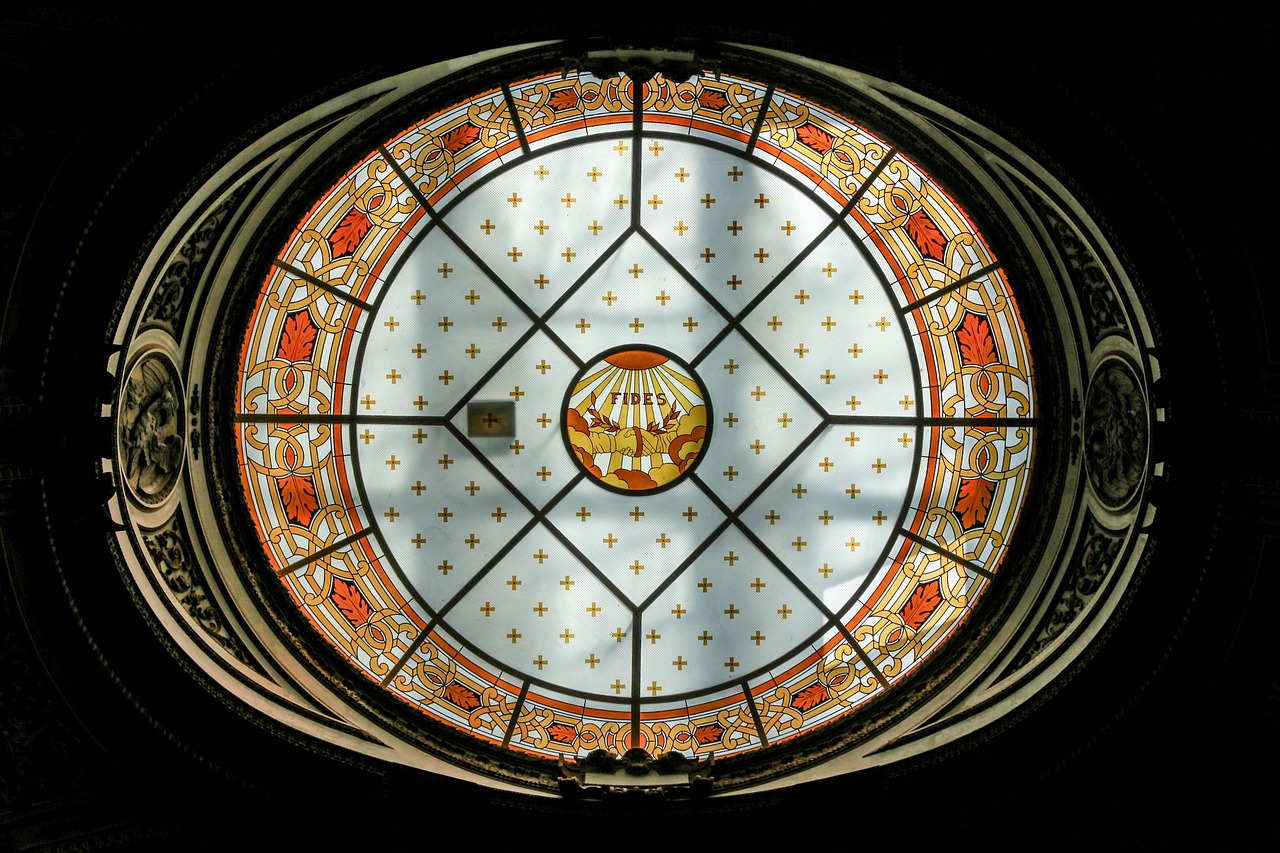
Understanding Fides: A Key Concept in Ancient Roman Culture Fides, deeply ingrained in ancient Roman society, signifies the ideals of trust, loyalty, and steadfastness. This principle was essential not only in personal relationships but also in the overarching fabric of societal interactions. It represents a commitment to honor relationships with family, friends, and the state,…
-

In the rich tapestry of Egyptian mythology and religion, Mut, sometimes referred to as Maut, is revered as a mother goddess with the distinctive head of a vulture. She is the wife of the prominent god Amon and the mother of Khons, forming a significant divine triad alongside Amon in Thebes. Depictions of Amon frequently…
-
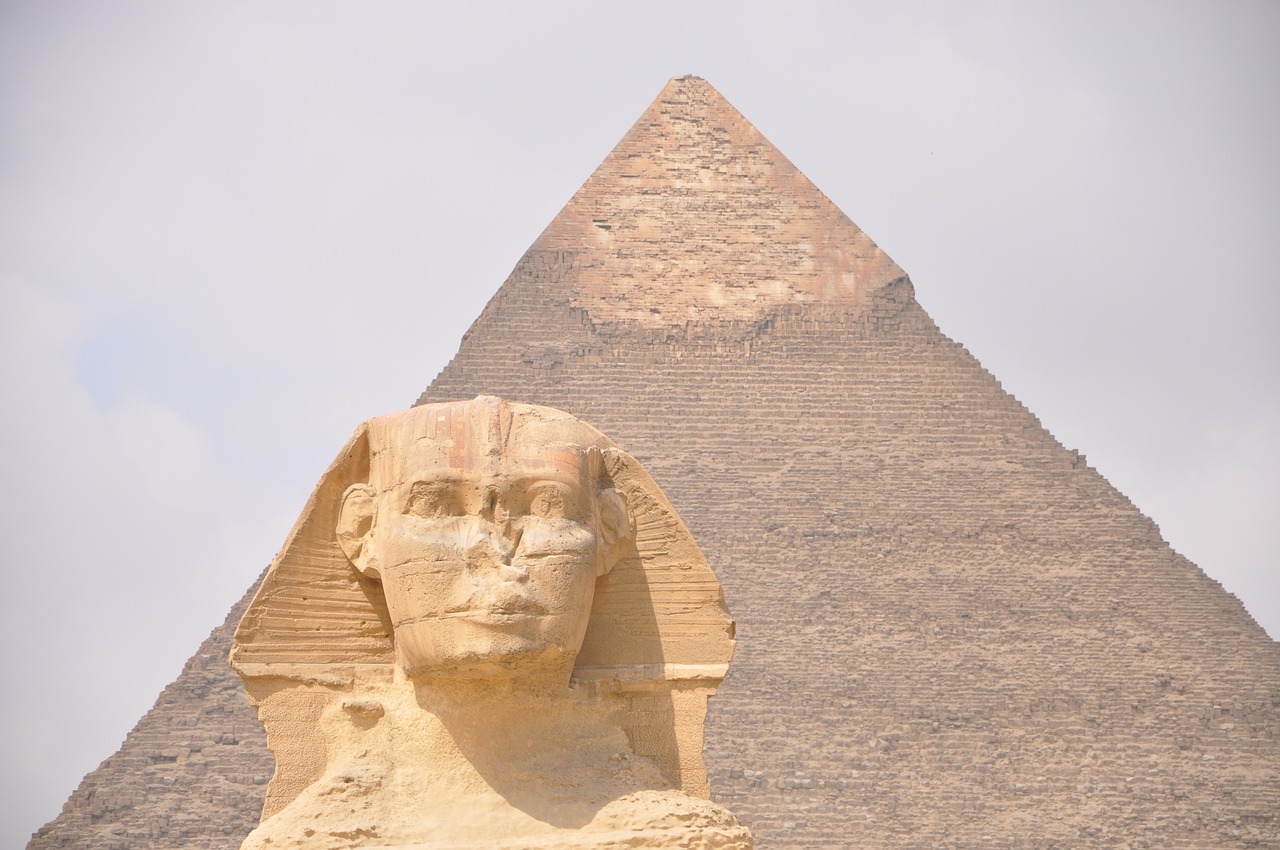
Hathor, an ancient Egyptian goddess, has long been admired as a complex figure in mythology. She is sometimes linked to other deities, including Isis, and even Sekhmet, but ultimately emerged as a principal goddess from whom other figures derived. Visually, Hathor is often represented as a woman with cow features, such as a cow’s head…
-
The Enigmatic Goddess Clíodhna Among the captivating figures of Irish mythology, Goddess Clíodhna stands out uniquely, ensnaring one’s imagination. Celebrated as the most stunning woman in the world, Clíodhna is revered as a deity of love and holds the title of Queen of the Banshees in Ireland. Her legend is particularly significant in South Munster,…
-

Amun, known also as Amon, Ammon, Amen, and Amun-Ra, stands as a pivotal deity in ancient Egyptian mythology, representing the sun and air. Emerging prominently during the New Kingdom period (around 1570-1069 BCE) in Thebes, Amun’s worship became deeply entrenched in the cultural and religious life of Egypt, proving to be one of the most…
-
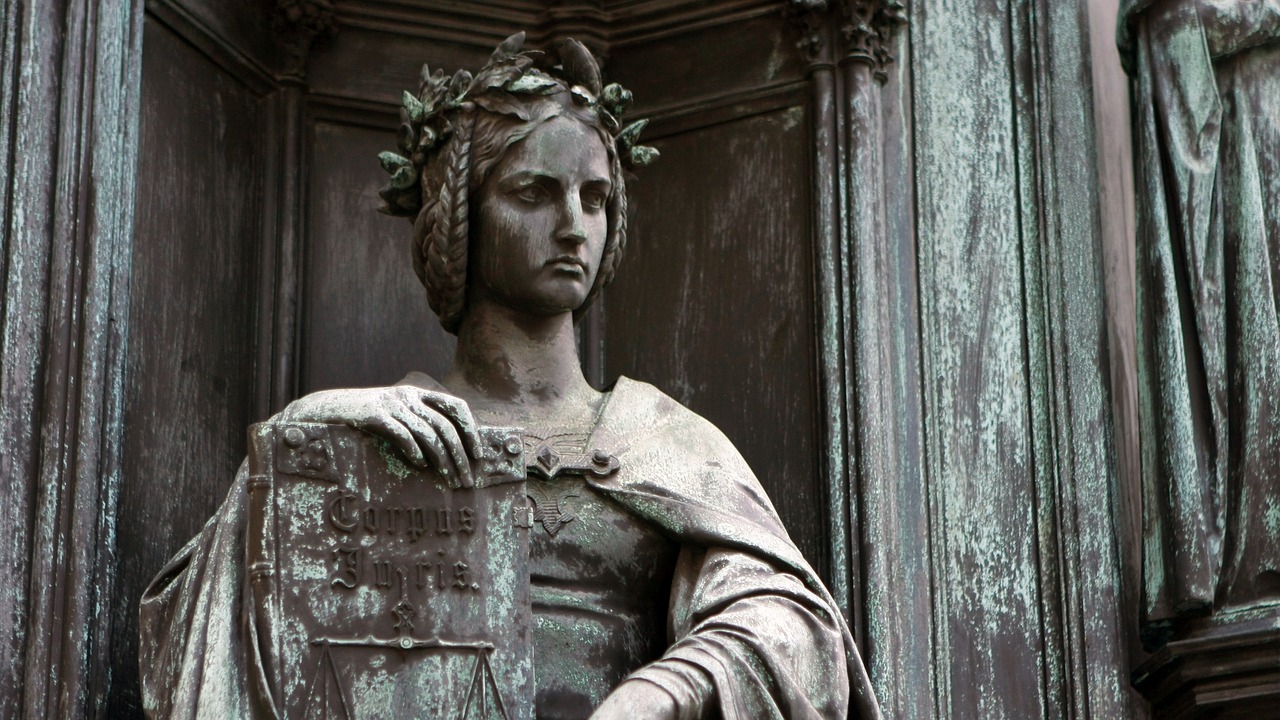
In Greek mythology, Cronus, also referred to as Kronos, is considered a Titan and the youngest offspring of Uranus (the sky) and Gaia (the earth). He famously ousted Uranus to ascend as the world’s inaugural king, reigning alongside his fellow Titans. Cronus entered into marriage with his sister, Rhea, but ultimately faced insurrection from his…