-

Roman Mars serves as the host and producer of 99% Invisible, a groundbreaking radio program that explores design and its influence on our surroundings. Mars is an exceptional keynote speaker for UX Week, paralleling the essence of his show by emphasizing not merely the act of design but understanding its existence in the world and…
-
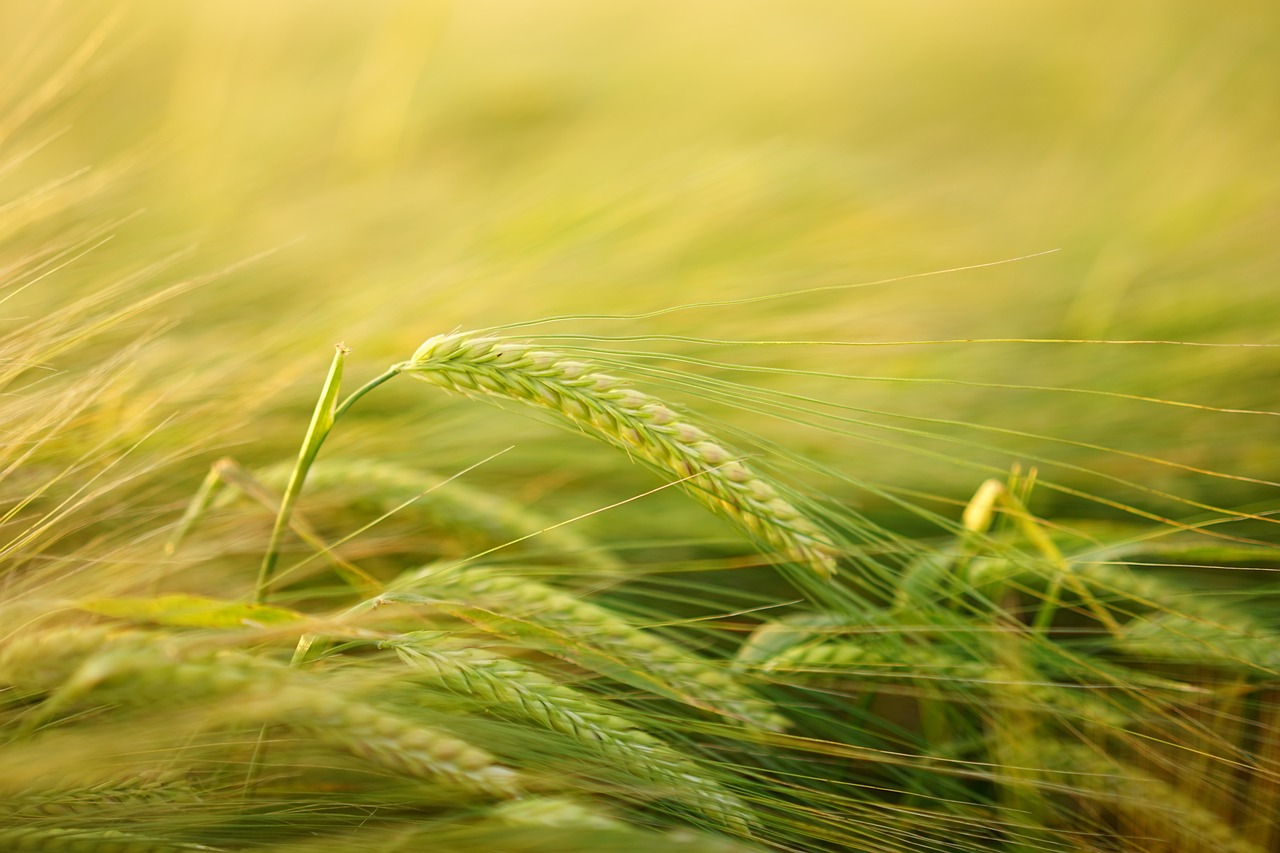
Demeter: The Goddess of Agriculture and Abundance Overview of Demeter’s Realm Demeter stands as the revered goddess of agriculture, encompassing the growth of grains such as wheat and barley. She serves as the protector of farmers, overseeing the processes of ploughing, sowing, and harvesting. Her presence is synonymous with fertile lands and generous harvests, while…
-
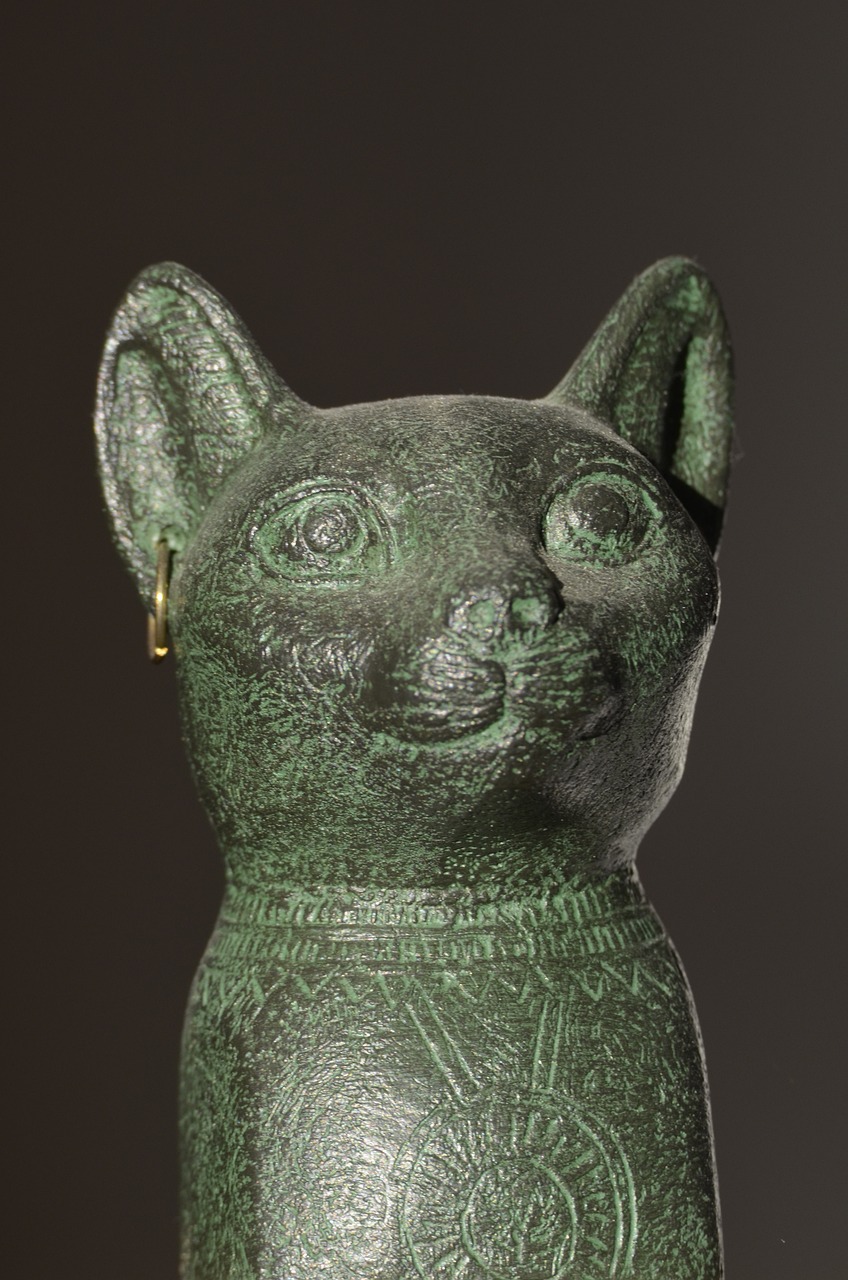
Bastet: The Egyptian Goddess of Home and Protection Bastet is recognized as the Egyptian goddess associated with various aspects such as domesticity, women’s secrets, fertility, childbirth, and notably, cats. Her role was to shield the household from malevolent spirits and diseases, particularly those affecting women and children. In addition to her protective duties, Bastet was…
-
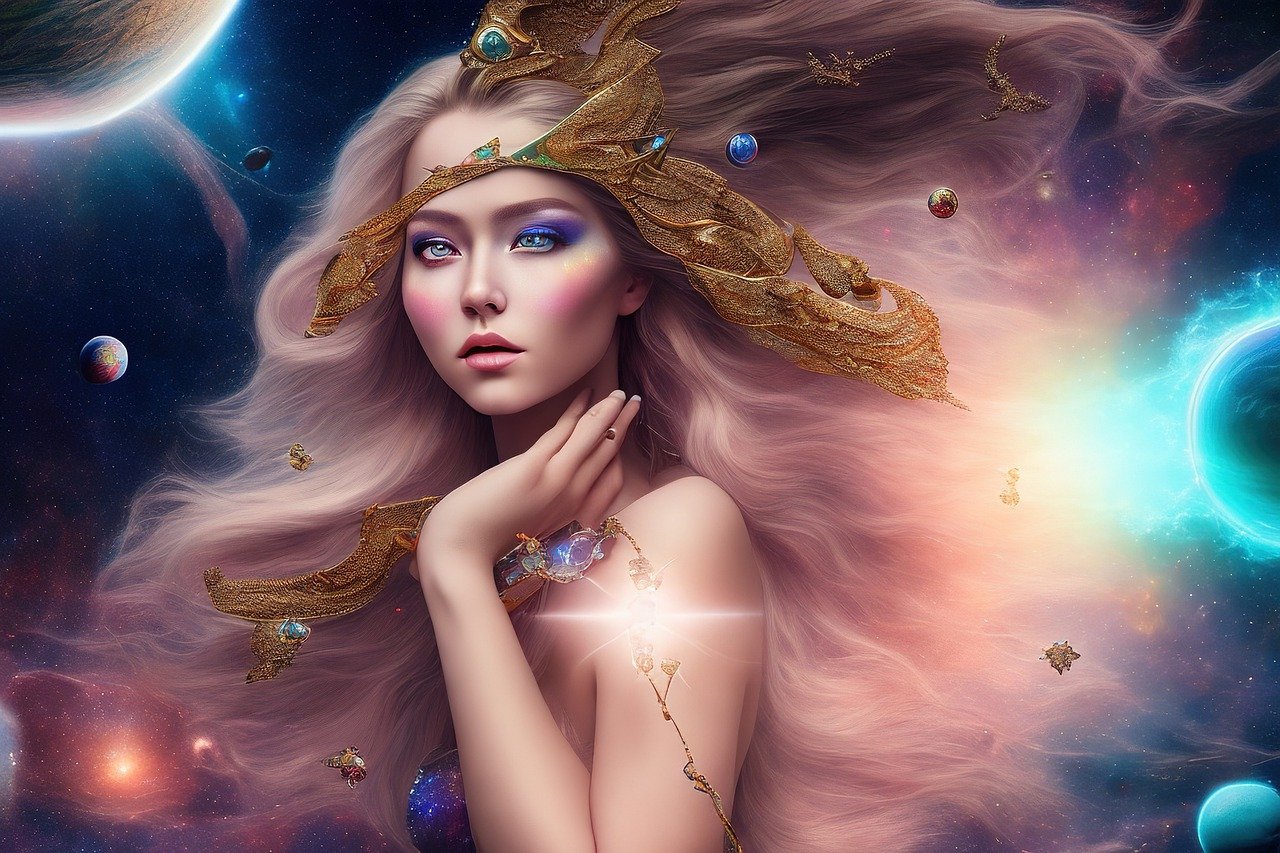
Sulis stands out as one of the more notable goddesses of the Celtic pantheon, predominantly worshipped at her solitary shrine located at a thermal spring in the southwest of England. Known to the Romans as Aquae Sulis, this site served as both a spa and a temple dedicated to Sulis Minerva, her Romano-Celtic incarnation. The…
-
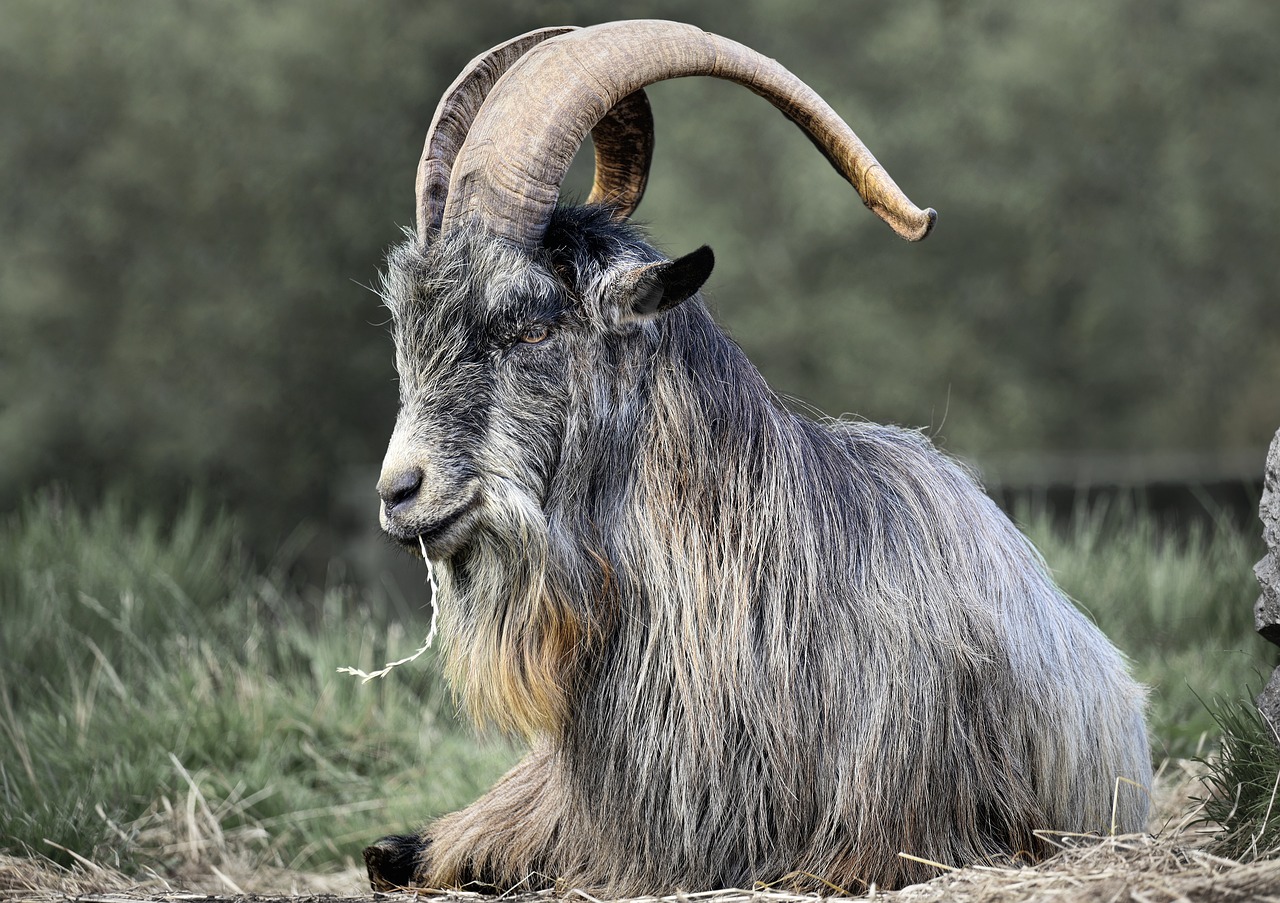
In Irish folklore, Bodb Derg, also known as Bodhbh Dearg, stands out as a significant figure, being either the son of Eochaid Garb or the Dagda himself, and later taking on the mantle as King of the Tuatha Dé Danann. His name, potentially stemming from a cognate of “bádhbh,” translates to “Red Crow,” showcasing a…
-
The God Montu and the Theban Palladium Montu was a significant solar deity from the Theban region, with a worship tradition extending until the close of ancient Egyptian civilization. In the Late Period, as various animal deities flourished, Montu’s veneration became particularly focused on the earthly manifestation represented by the Bukhis bull. Montu is primarily…
-
Epona, a revered goddess in Celtic mythology, is intrinsically linked to horses, as her name suggests; “epos” translates to “horse” in Celtic, while the suffix “-ona” implies “on.” She serves as the protector of mares and their foals. The earliest references to this Gallic equine deity can be traced back to the writings of Juvenal…
-
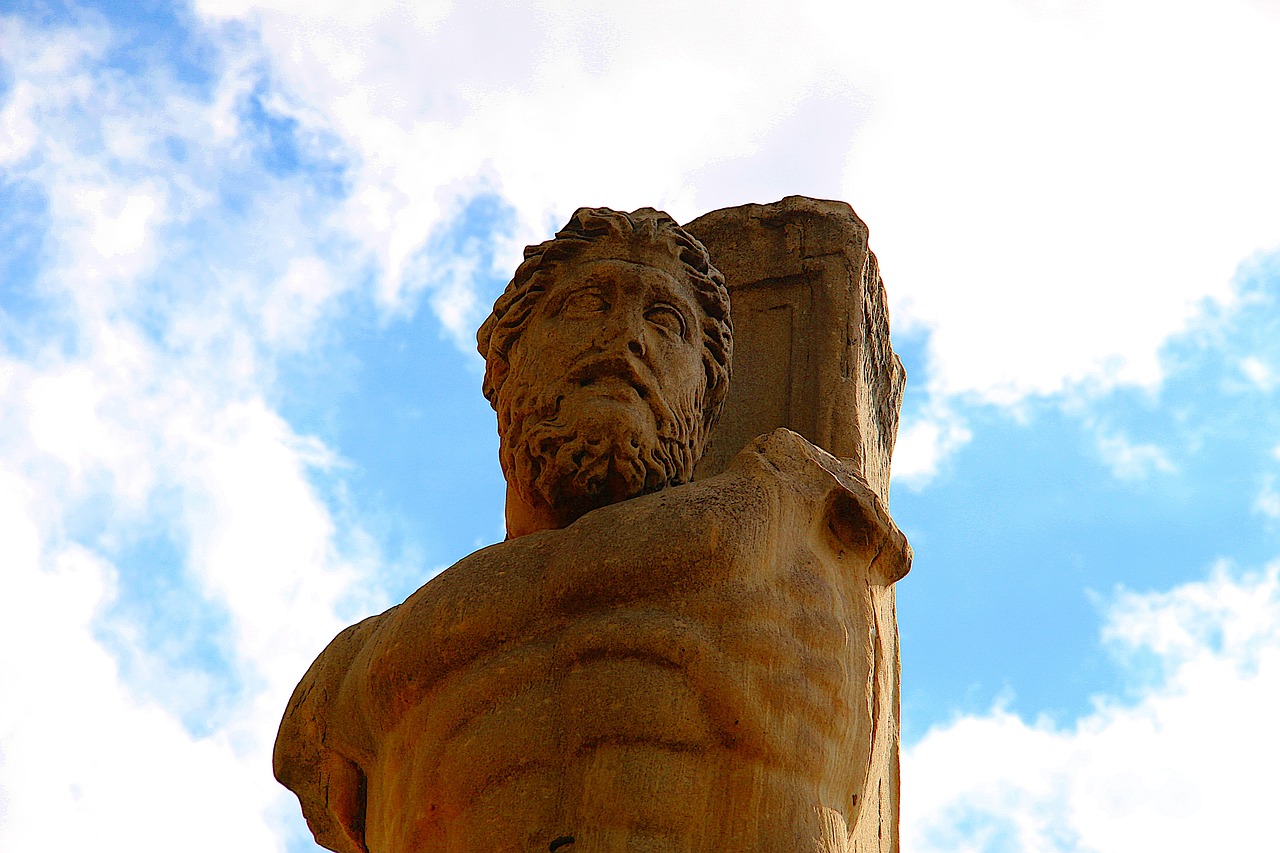
Zeus, the predominant deity in ancient Greek mythology, is a sky and weather god and is synonymous with the Roman god Jupiter. His name likely shares roots with the ancient Hindu sky god Dyaus, as found in the Rigveda. Known as a formidable figure who wielded thunder and lightning, Zeus’s primary weapon was the thunderbolt,…
-
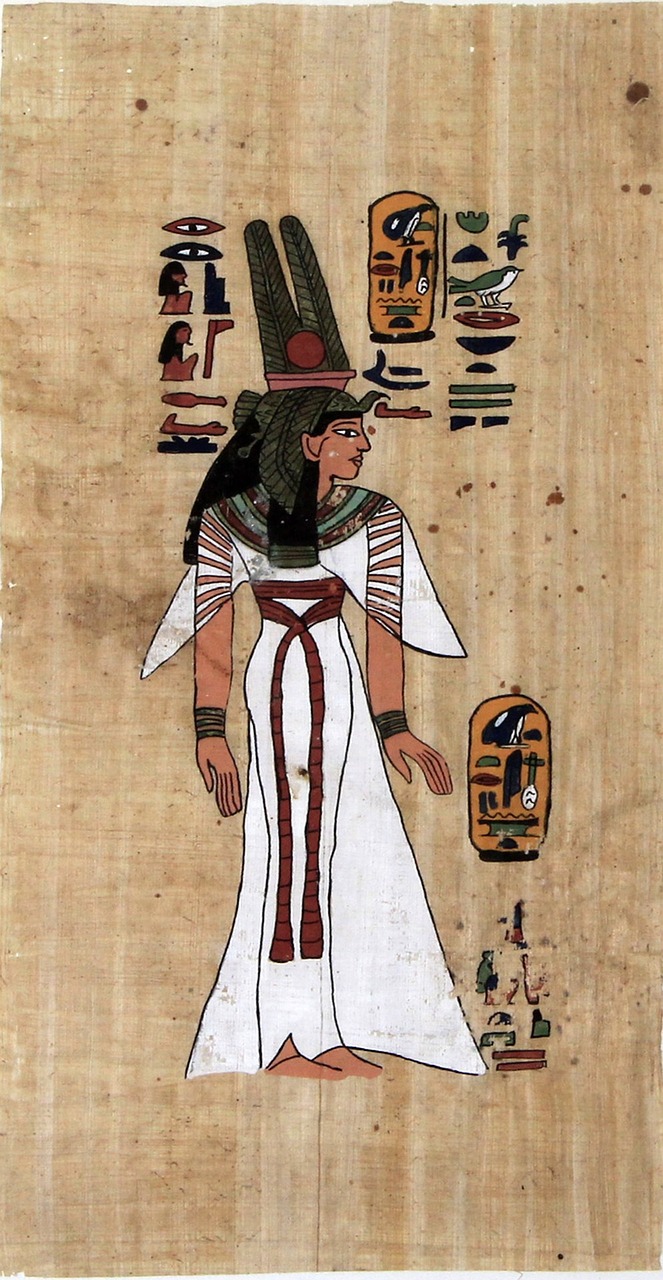
Understanding Ancient Egyptian Religion Ancient Egyptian religion encompasses the rich tapestry of indigenous beliefs that evolved from the pre-dynastic era (4th millennium BCE) until the decline of traditional practices in the early centuries CE. This religion is inextricably woven into the fabric of Egyptian society throughout its historical development, which can be traced back to…
-
Glencairn Museum’s Collection of Taweret and Its Significance in Ancient Egyptian Family Life The Glencairn Museum proudly showcases a diverse collection of over forty magical amulets dedicated to the hippopotamus goddess Taweret, a figure who held immense significance in the homes of ancient Egyptian families. Taweret, which translates to “The Great (Female) One,” played a…