-
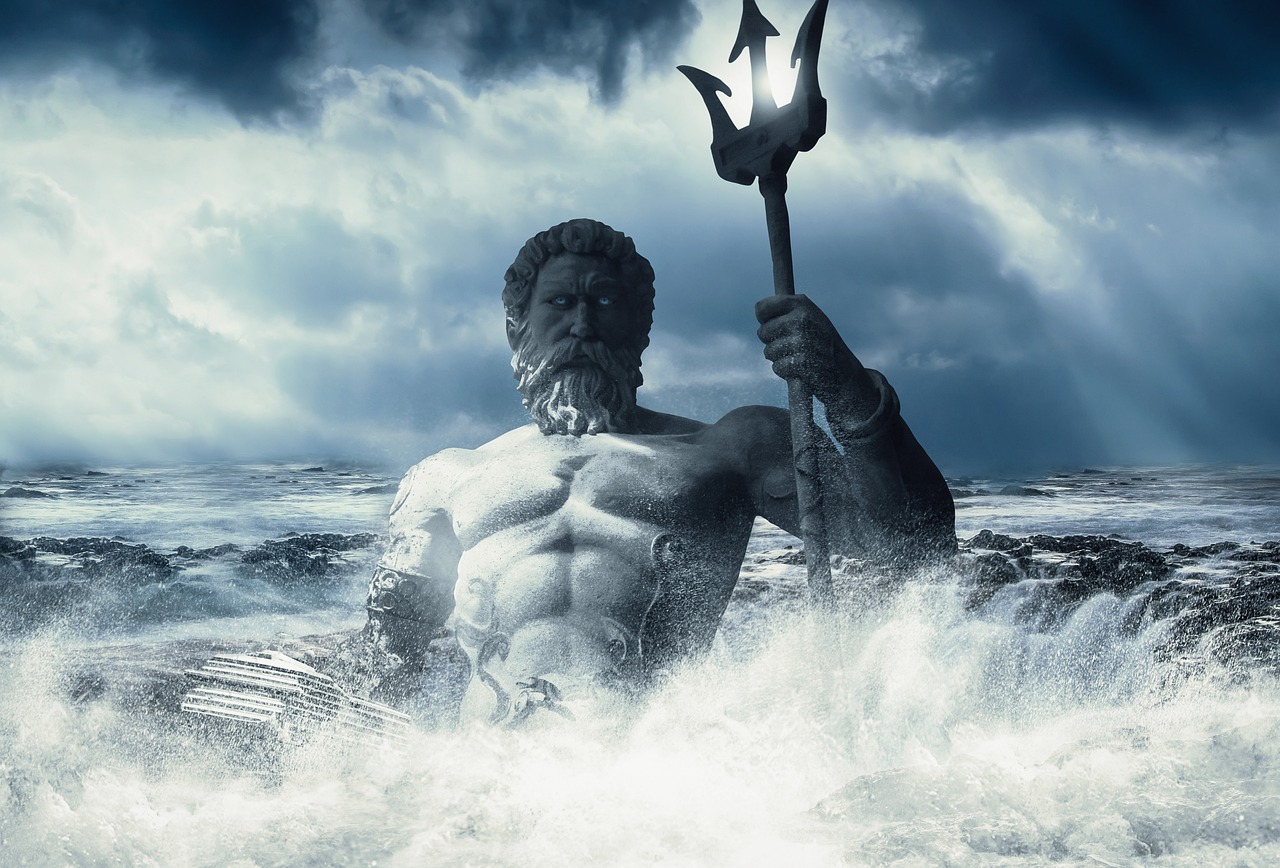
Neptune, the Roman deity governing the sea, parallels the Greek god Poseidon. Initially venerated as a freshwater god, he later became associated with Poseidon early in Rome’s history. He resides in a magnificent palace beneath the ocean’s surface, presiding over divine beings linked to the sea, including nymphs and various aquatic creatures. As the offspring…
-
In Scotland, if you happen upon a notably large bird, it may be a heron or a capercaillie, both prominent species in the nation’s vibrant wildlife. However, it might also be the elusive Boobrie. The Boobrie is a legendary creature originating from the lochs along Scotland’s western shores. Its name is believed to derive from…
-

The tale of legendary heroes in mythology has captivated audiences for centuries. In Britain, the figure of King Arthur is renowned, awaiting the moment when he is most needed. In Ireland, this role is filled by Fionn mac Cumhaill, a hero steeped in folklore, also in a state of eternal slumber until his people summon…
-

Greek mythology encompasses a rich tapestry of narratives surrounding the gods, heroes, and rituals that characterized the beliefs of the ancient Greeks during Classical antiquity. Although some critical thinkers, notably the philosopher Plato in the 5th-4th centuries BCE, recognized that myths included elements of fiction, they were generally accepted as truth among the populace. Greek…
-
Lugh, known also as Lug or Luga, stands as a central figure among Celtic deities, especially in Irish traditions, where he embodies the sun and illumination. Originally perceived as an all-knowing and all-seeing god, Lugh later evolved into a renowned warrior and a significant cultural icon for the Irish. He is often referred to by…
-
Maxfield Parrish embarked on his artistic journey at the age of 25, initially working as an illustrator, where he was responsible for magazine covers, advertisements, posters, and various book illustrations. By 1917, he had already established himself as a prominent commercial artist when he was commissioned by General Electric to create a series of illustrations…
-
Apollo, the famed son of Zeus and Leto, is a revered figure in mythology, best known for his dual character embodying light and illumination in various forms. His birth is said to have taken place on the island of Delos, alongside his twin sister Artemis (Diana). Initially seen as a god of light, Apollo was…
-
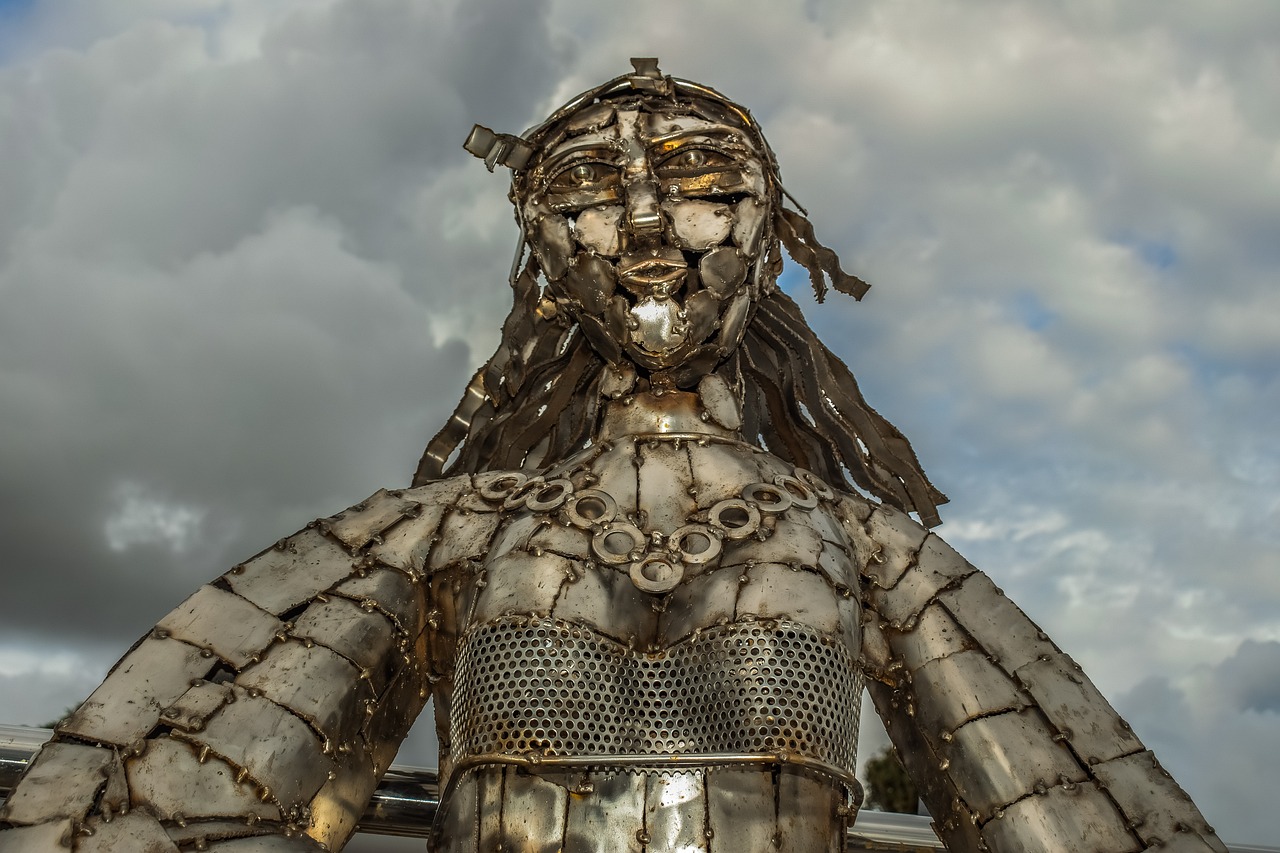
Hera, the revered queen of the Olympian gods, embodies the divine aspects of marriage, women, the heavens, and the celestial stars. Often depicted as an exquisitely beautiful figure wearing a regal crown and clutching a scepter adorned with lotus motifs, she is sometimes seen alongside symbols such as a lion, a cuckoo, or a hawk.…
-
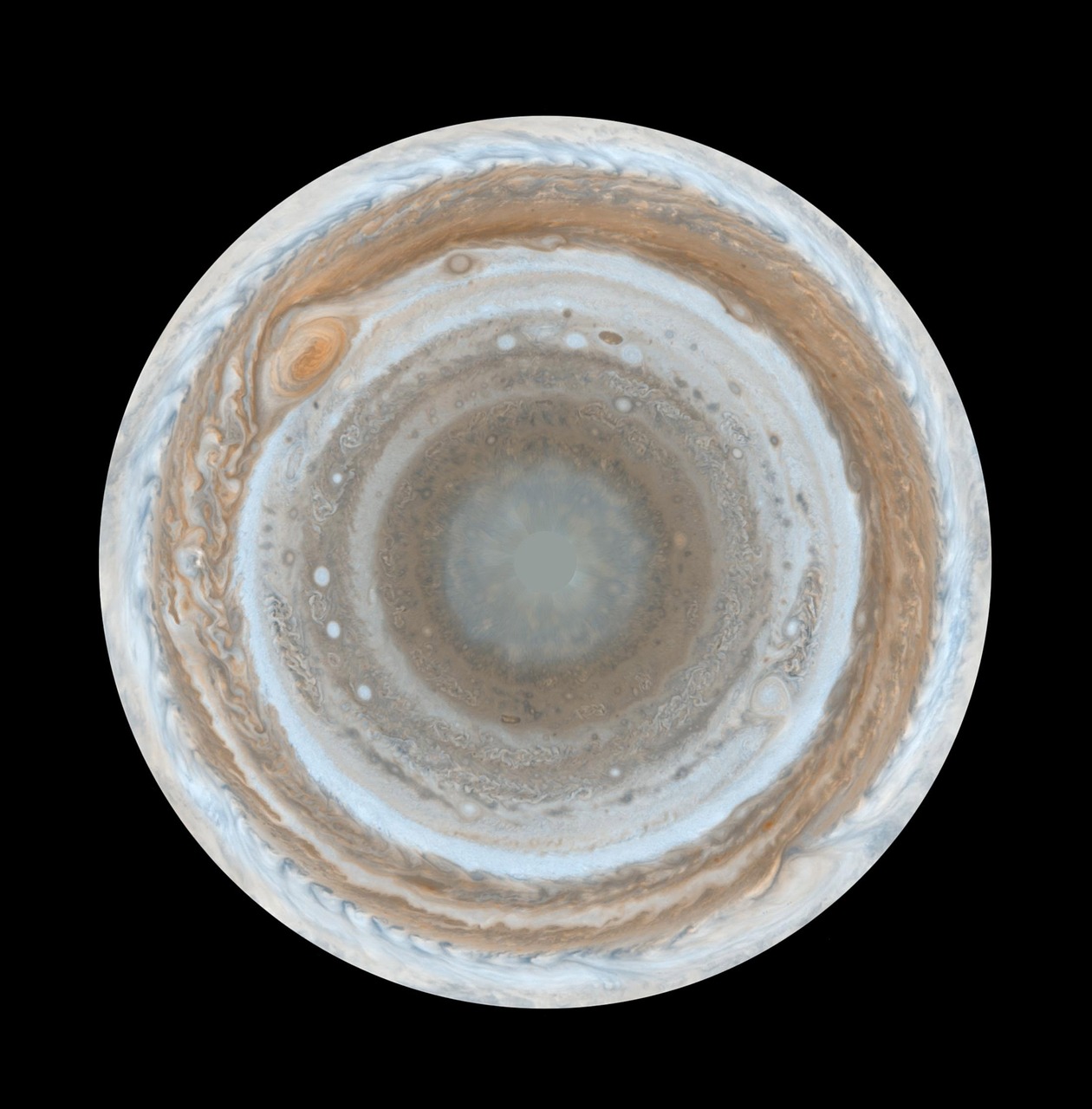
The Mighty Jupiter: King of the Roman Gods Jupiter, known as the god of sky and thunder, is significant in Roman mythology. He is the equivalent of the Greek god Zeus and is sometimes referred to as Jove. Being the chief deity, his influence extends to various aspects of Roman culture and religion. Jupiter is…
-

The Titaness Rhea in Greek Mythology Overview Rhea, also known as Rheia, is a prominent Titaness in ancient Greek mythology, recognized as the matron of the gods and a deity symbolizing fertility, motherhood, and generational continuity. Her name, signifying “flow” and “ease,” reflects her embodiment of the natural cycles of life, such as menstruation, childbirth,…