-

Overview Cronus, a significant figure in Greek mythology, served as the second ruler of the cosmos and belonged to the Titans. Renowned for his tyranny, he overthrew his father Uranus and sired the first generation of Olympian deities, including Demeter, Hades, Hera, Hestia, Poseidon, and Zeus. Driven by an insatiable thirst for dominance, Cronus eventually…
-

Cerberus: The Guardian of the Underworld Cerberus, known in Greek mythology as Kerberos, takes the form of a colossal, three-headed canine stationed at the gates of Hades. His primary role was to safeguard the underworld from the souls of the deceased, ensuring that they could not escape back to the land of the living. Descriptions…
-
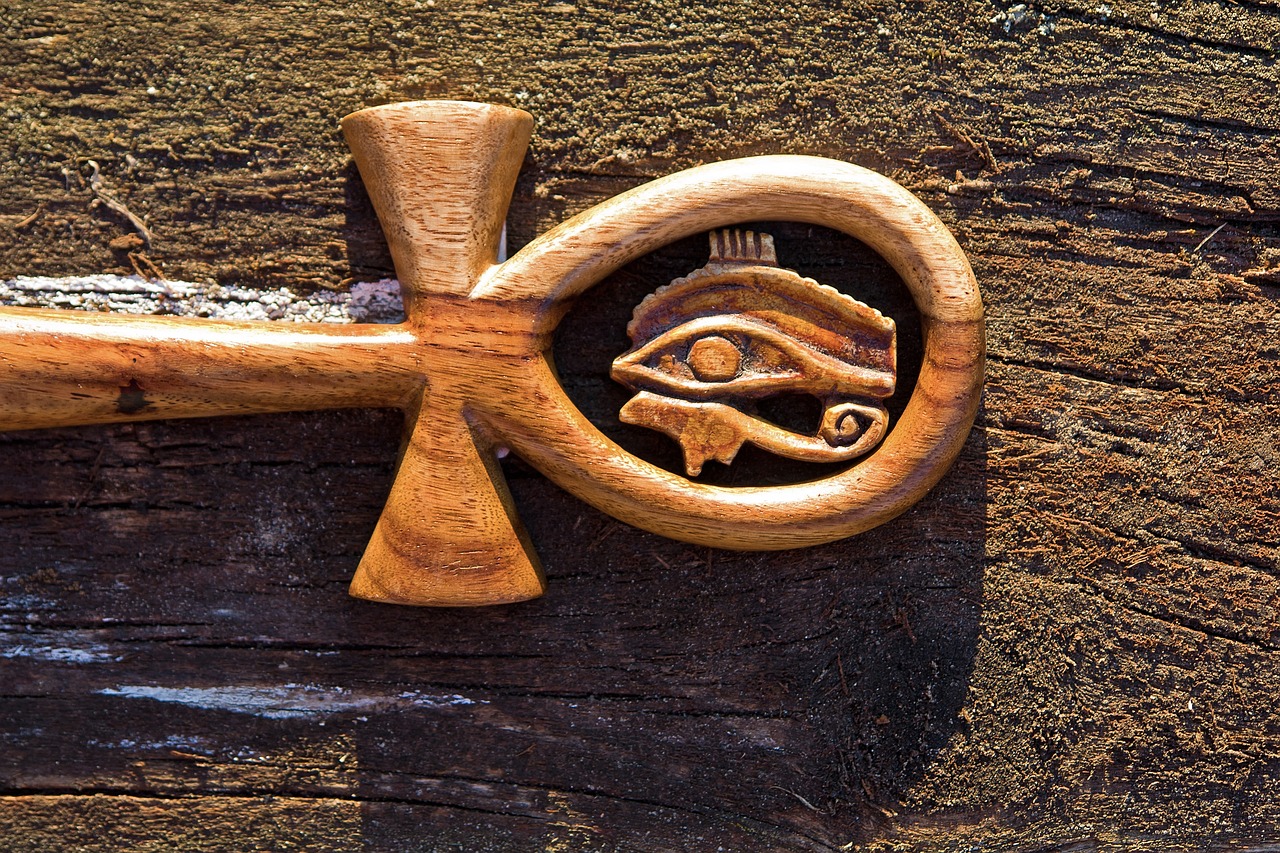
Horus, revered in ancient Egyptian mythology, is depicted as a falcon deity whose right eye symbolizes the sun or morning star, embodying authority and essence, while his left eye signifies the moon or evening star, representing healing properties. Falcon worship has roots stretching back to late predynastic times and became prevalent throughout Egypt. Horus was…
-
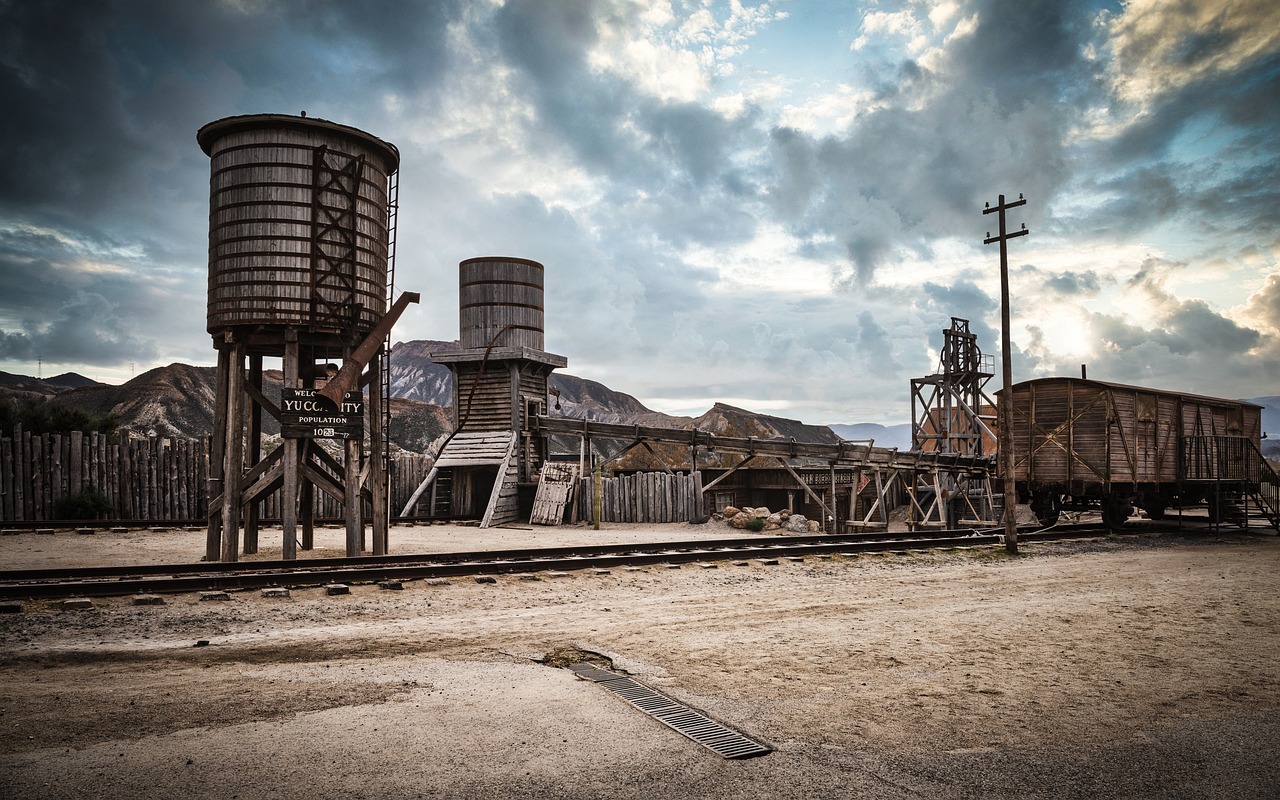
The animated series “Journey to the West” was a significant part of my childhood experience, and it continues to captivate me even today. This show, adapted from the classic novel of the same name, offers an enduring blend of entertainment and cultural reference. For a brief overview of the series: Tang Seng, a Buddhist monk,…
-

In the early light of dawn, an ancient entity captures our imagination, once resonating deeply within the Roman Empire: Sol, the revered sun god. We are not merely perusing the age-worn records of Rome; rather, we embark on an exploration of a vibrant sphere of mythology that continues to illuminate the arc of human history,…
-
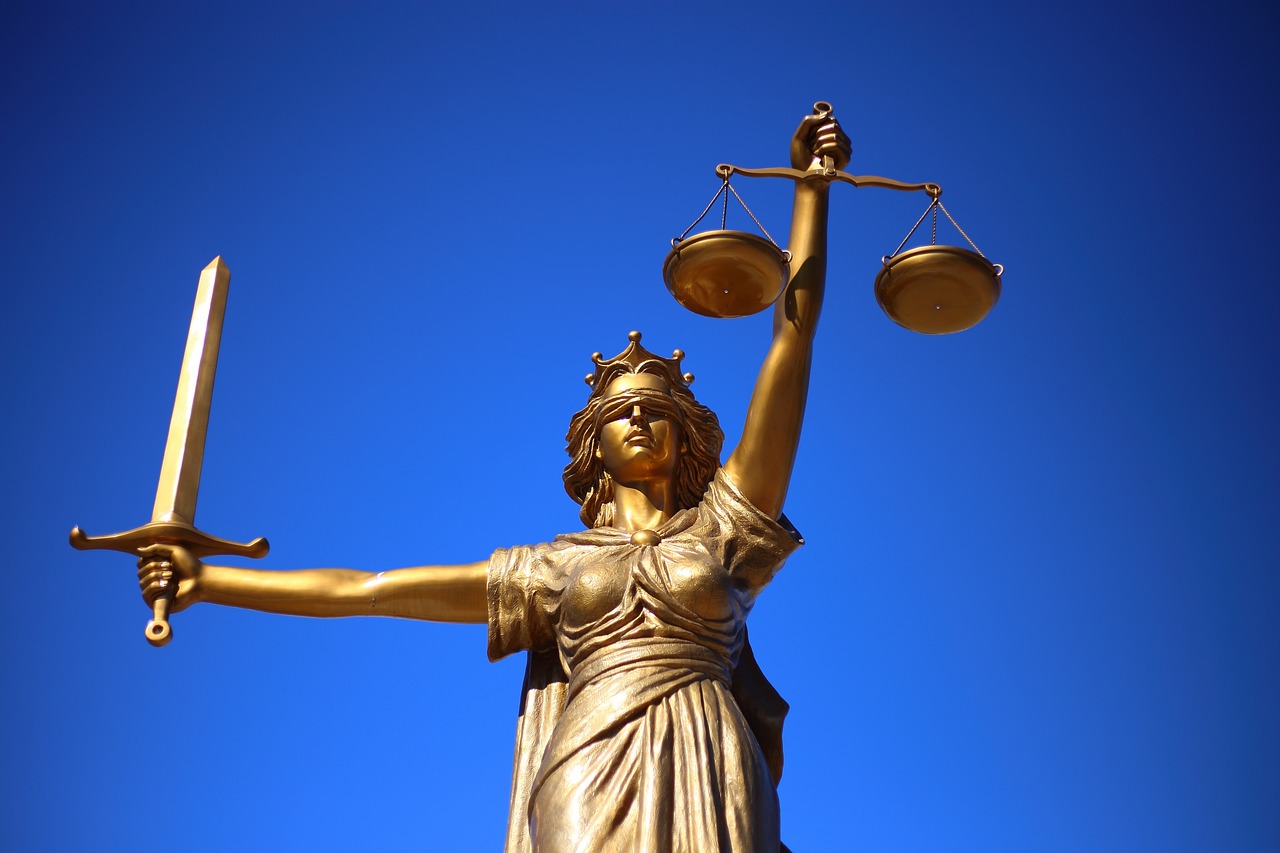
Greek mythology represents a fascinating tapestry of stories encompassing the deities, heroes, and rituals integral to the lives of the ancient Greeks and the broader Classical world. Though thinkers like Plato in the 5th–4th century BCE recognized that these myths contained fictitious elements, they were largely viewed as factual narratives by the average Greek populace.…
-

In ancient Greek mythology, Selene stood as the goddess of the moon, distinctively personifying the moon itself rather than merely being associated with it. Her role as the luminary in the night sky highlights her importance in various myths, powers, and symbols that define her character and legacy. Selene: The Moon Goddess Selene is recognized…
-
Embark on a journey into antiquity as you explore the works of Baroque artist Gian Lorenzo Bernini. In Rome’s Borghese Gallery lies the profound sculpture, Rape of Proserpina, created in the 17th century. This masterpiece not only highlights Bernini’s unparalleled skill but also tells a poignant mythological tale relevant to the audience during the Counter-Reformation…
-
The Bacchanalia occupies an intriguing and enigmatic role in the annals of ancient Rome. These festivals, initially sacred rites dedicated to Bacchus—the deity representing wine, liberty, and ecstasy—can be traced back to as early as 200 BC in Italy. The Bacchanalia served as a venue for Romans to engage in merrymaking, dramatic exhibitions, and ecstatic…
-

The Role of Janus: A Symbol of Change and Transformation Janus, the ancient Roman god, epitomizes the spirit of transformations, transitions, and the relentless flow of time. Known as the Gatekeeper, he is the overseer of the dividing lines marking the end of one era and the start of another, heralding both fresh chapters and…