Tag: Mythology
-

Overview of Eros: The God of Love Eros embodies love, desire, and procreation, initially conceived in ancient mythology as a primordial entity birthed alongside other primordial beings like Chaos and Gaia. However, over time, he became widely recognized as the son of Aphrodite, the goddess associated with love, often depicted as her inseparable companion. Some…
-
Overview Hypnos, the gentle offspring of Nyx, represents the Greek deity of sleep. Frequently envisioned as a caring god, he brings serene slumber to all living creatures. However, there exists a more somber aspect to Hypnos, as he is also linked to death; his twin brother Thanatos embodies this personification. Throughout history, poets and artists…
-
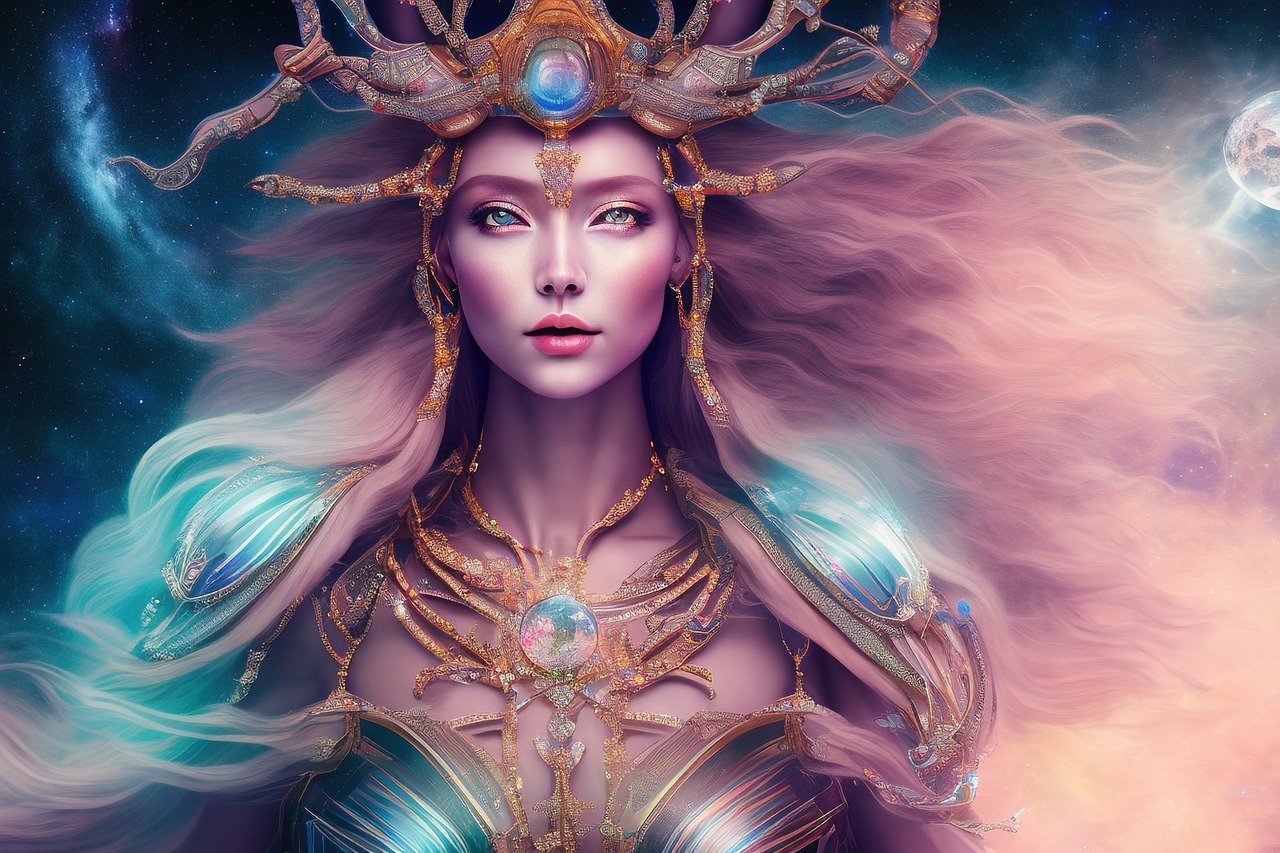
Diana, revered as the goddess of childbirth, fertility, the moon, and wild creatures in Roman mythology, is most renowned for her association with hunting, her sacred animal being the deer. She parallels the Greek goddess Artemis. Like many myths involving the deities of antiquity, the stories concerning Diana differ across various sources and occasionally present…
-

Exploring Aker: The Egyptian God of the Horizon Aker holds a prominent position in the mythology of ancient Egypt, characterized as the solar god of the horizon and a key guardian of the Underworld. This article delves into the fascinating legends and beliefs that surround this deity, as well as provides engaging facts that are…
-
Cernunnos, an emblematic figure in ancient Celtic mythology, embodies the essence of nature, animal life, and fertility. Often portrayed in Celtic art donning stag antlers or horns, he typically wears a torc around his neck. Though sparse in documentation, significant artistic representations of Cernunnos can be found in various artifacts, including the Val Camonica rock…
-

When the Nile River comes to mind, it’s often accompanied by thoughts of Egypt, and rightfully so, given its immense historical and cultural importance. Ancient Greek historian Herodotus famously declared Egypt to be “the gift of the Nile,” highlighting the river’s critical role in the life and prosperity of the Egyptian civilization. For the Ancient…
-

When one thinks of the Nile, Egypt undoubtedly springs to mind, primarily due to the river’s colossal significance throughout history. The esteemed ancient Greek historian Herodotus famously remarked that Egypt is a gift of the Nile, a statement highlighting the river’s vital role in the Egyptian civilization. To the ancient Egyptians, the Nile was perceived…
-

Nyx – The Goddess of Night Nyx stands as one of the primordial deities in Greek mythology, embodying the essence of the night. Originating from Chaos, she formed a union with Erebos, the personification of darkness, birthing Aether, representing light, and Hemera, the goddess of day. Nyx is often depicted as the very fabric of…
-

Eros, the Greek deity of love, embodies passionate desire in all its complexities. He strikes unexpectedly, inducing a whirlwind of emotions that confound and overwhelm those he targets. Hesiod’s portrayal of Eros in “Theogony” characterizes him as a force that “loosens the limbs and weakens the mind.” In ancient Greek art, Eros is frequently depicted…
-

Uranus, known in Greek mythology as Ouranos, embodies the heavens and sky. His Roman equivalent is Caelus. Born from Gaia, the Earth, he was deemed her equal. Their union brought forth twelve Titans, three Cyclopes, and three Hecatoncheires. However, Uranus despised his offspring and concealed them deep within the earth, prompting Gaia and their son…