
Author: Sun WuKong
-
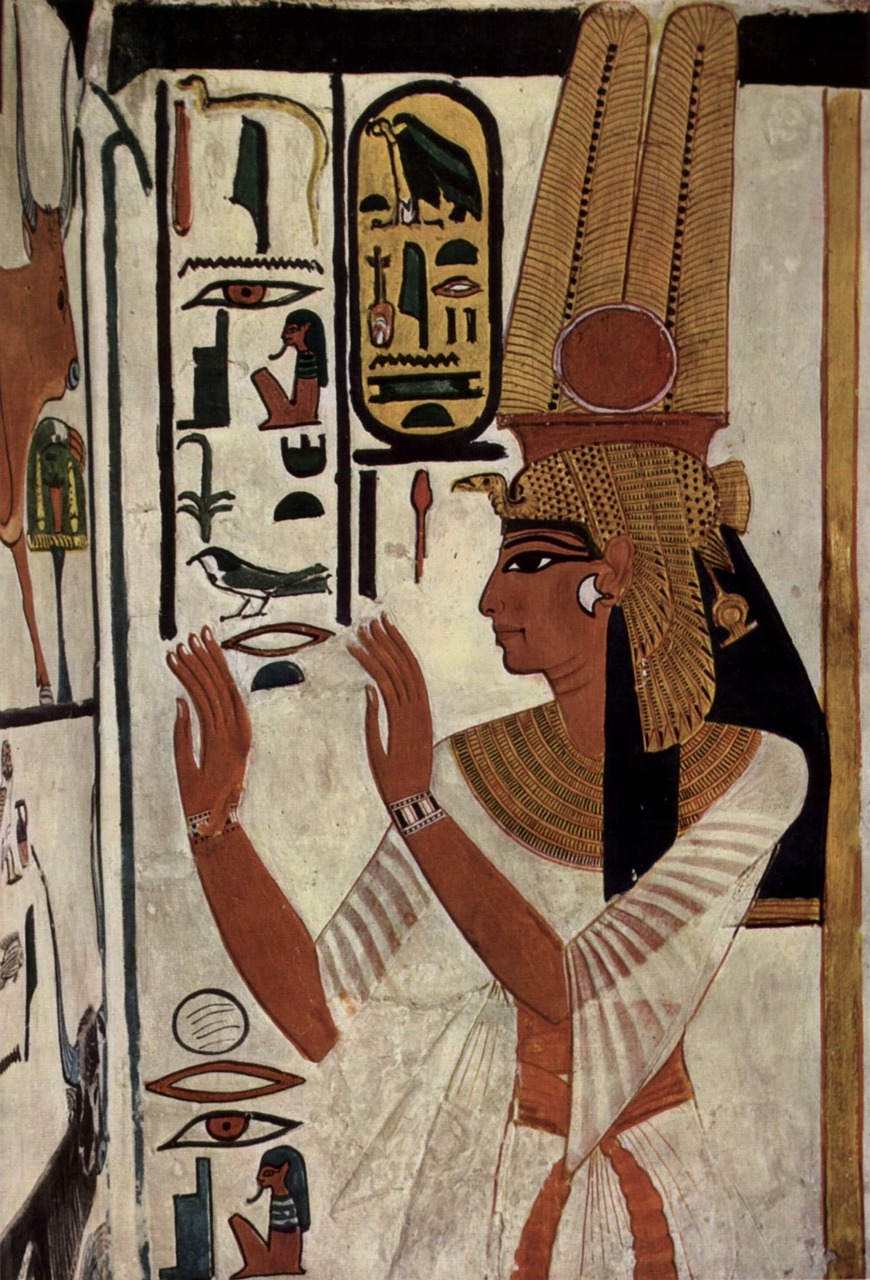
Ancient Egyptian religion encompasses the indigenous beliefs and practices of ancient Egypt, spanning from predynastic times in the 4th millennium BCE until the gradual decline of traditional culture in the early centuries CE. Understanding the historical context and timeline is essential when discussing these religious practices. Nature and Significance Egyptian religious beliefs were deeply embedded…
-
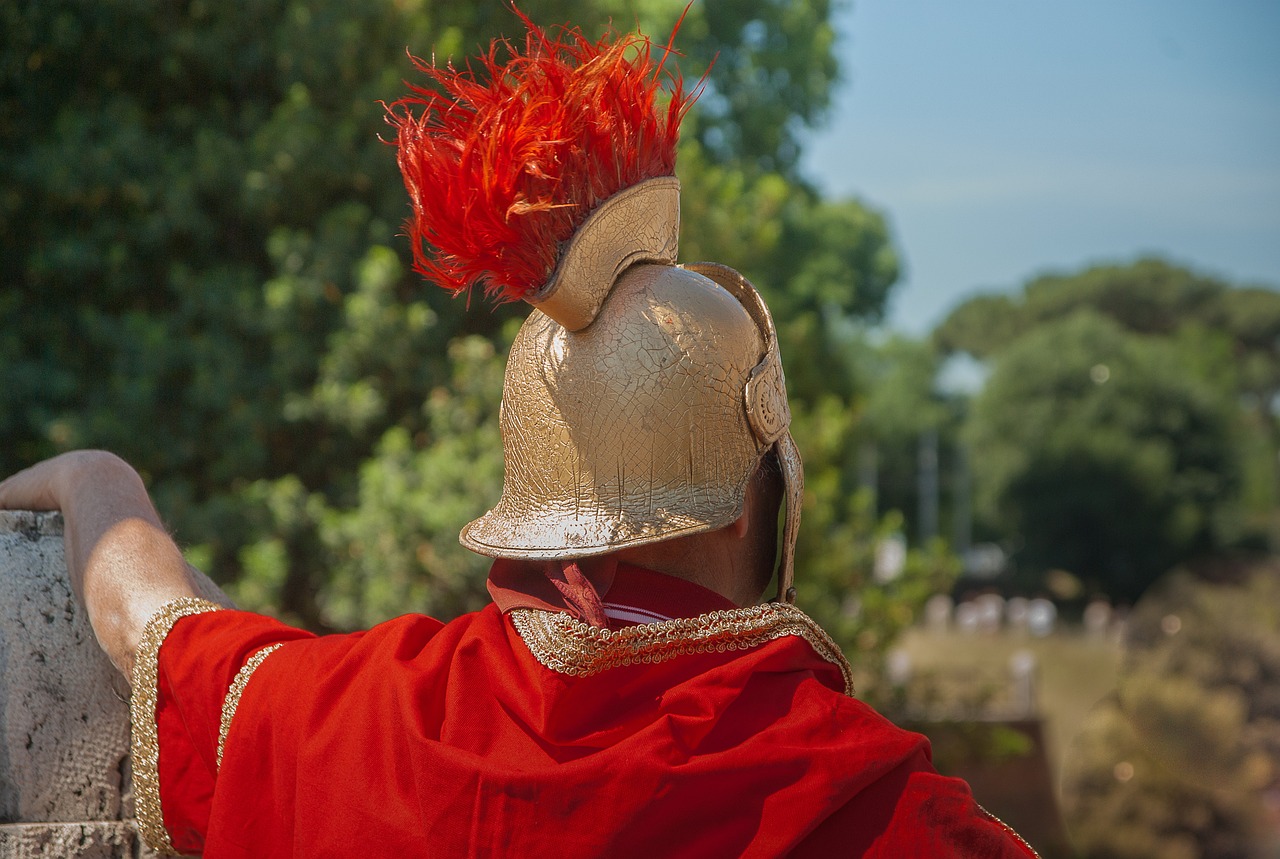
Roman Religion: An Overview of Beliefs and Practices Roman religion encompasses the beliefs and rituals practiced by the inhabitants of the Italian peninsula from antiquity until Christianity’s rise in the 4th century CE, a period often referred to as Classical antiquity. The Roman orator Cicero noted that Romans held a unique understanding of their world,…
-
Overview Arawn is recognized as the Welsh sovereign of Annwn, the Otherworld depicted in the Mabinogi. Renowned as a masterful hunter and magician, his shapeshifting abilities are particularly celebrated in his interactions with Pwyll, the Lord of Dyfed. Etymology The name Arawn is believed to relate to the Hebrew name Aaron, denoting “exalted.” However, it…
-
The Enduring Legacy of Imhotep Imhotep, an iconic figure in Egyptian history, is most commonly linked to the groundbreaking step pyramid of King Djoser, known by his divine title Netjerkhet. The precise details of Imhotep’s life remain obscure, largely due to the limited number of ancient sources available from his era. The scanty references that…
-
Irish and Welsh mythology is a treasure trove of enigmatic and captivating characters. Regrettably, the passage of time has obscured many of these narratives, often lost through oral traditions that changed as they were recounted across generations. Yet, one tale has managed to partially withstand this temporal erosion, centering on Arawn, the sovereign of the…
-
Tyche: The Goddess of Fortune in Greek Mythology Overview Tyche (or Tykhe) represents the divine concepts of fortune, chance, fate, and providence in ancient Greek belief. Often depicted positively, she was also known as Eutykhia, the goddess associated with good fortunes such as luck and prosperity. Traditionally, Tyche is illustrated with various symbols, such as…
-
Background Bodhbh Dearg, also known as Bov The Red, was the appointed King of the Tuatha Dé Danann, residing in Sídh ar Feimhim (Slievenamon, County Tipperary). His reign commenced after the Tuatha Dé Danann suffered a defeat at the hands of the Gaelic tribes. Stories of Bodhbh Dearg Upon his ascension to kingship, Bodhbh Dearg…
-
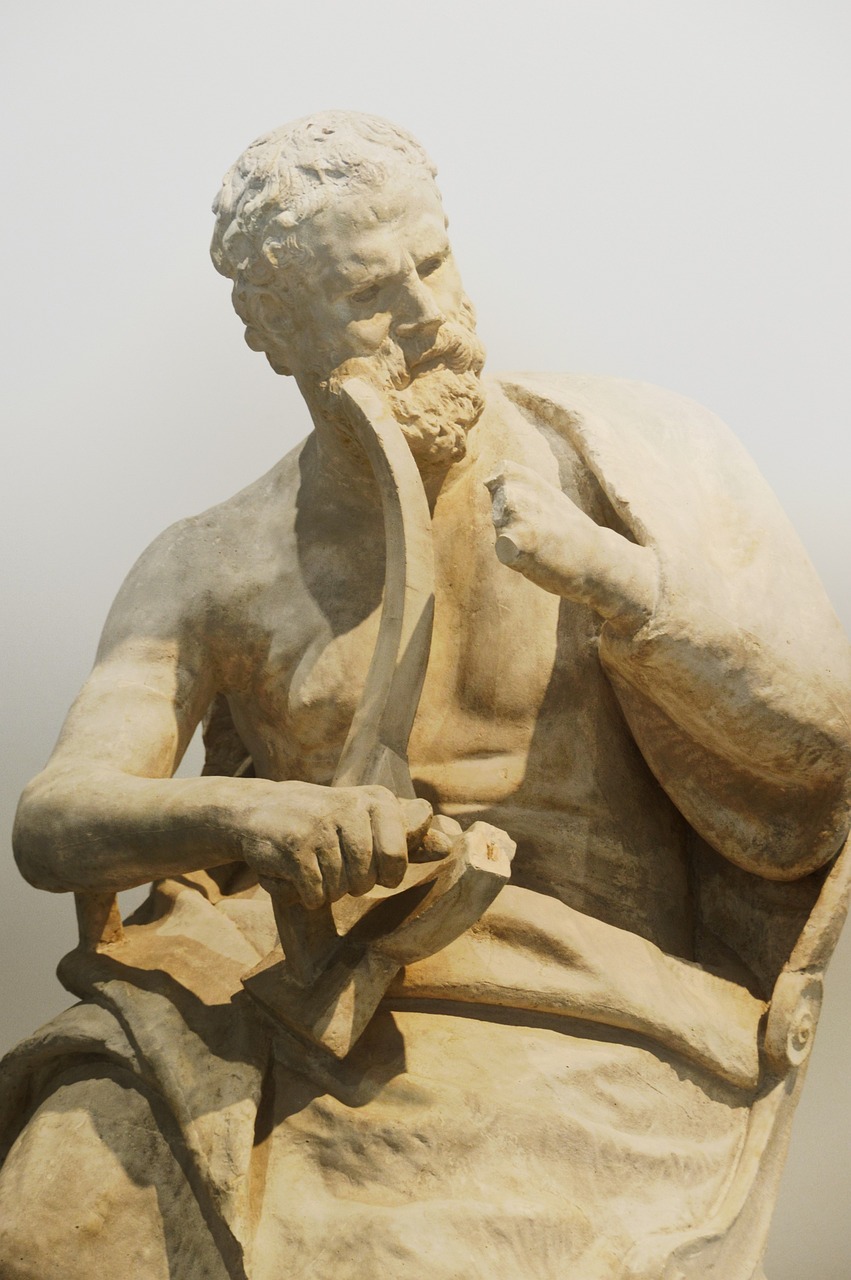
The term “Odyssey” has evolved to signify a grand adventure or journey. This concept originates from Homer’s epic narrative, The Odyssey, composed in the 8th century BC, which serves as a continuation of his earlier work, The Iliad. While The Iliad chronicles the climactic moments of the Trojan War, The Odyssey depicts the extensive trials…
-
Hypnos: The Personification of Sleep in Greek Mythology Hypnos, the embodiment of sleep, occupied an essential role in Greek mythology as both a deity and a spirit. Residing in Erebos, a place shrouded in perpetual darkness beyond the sun’s ascendancy, he ascended to the sky nightly, accompanied by his mother Nyx, the goddess of night.…
-
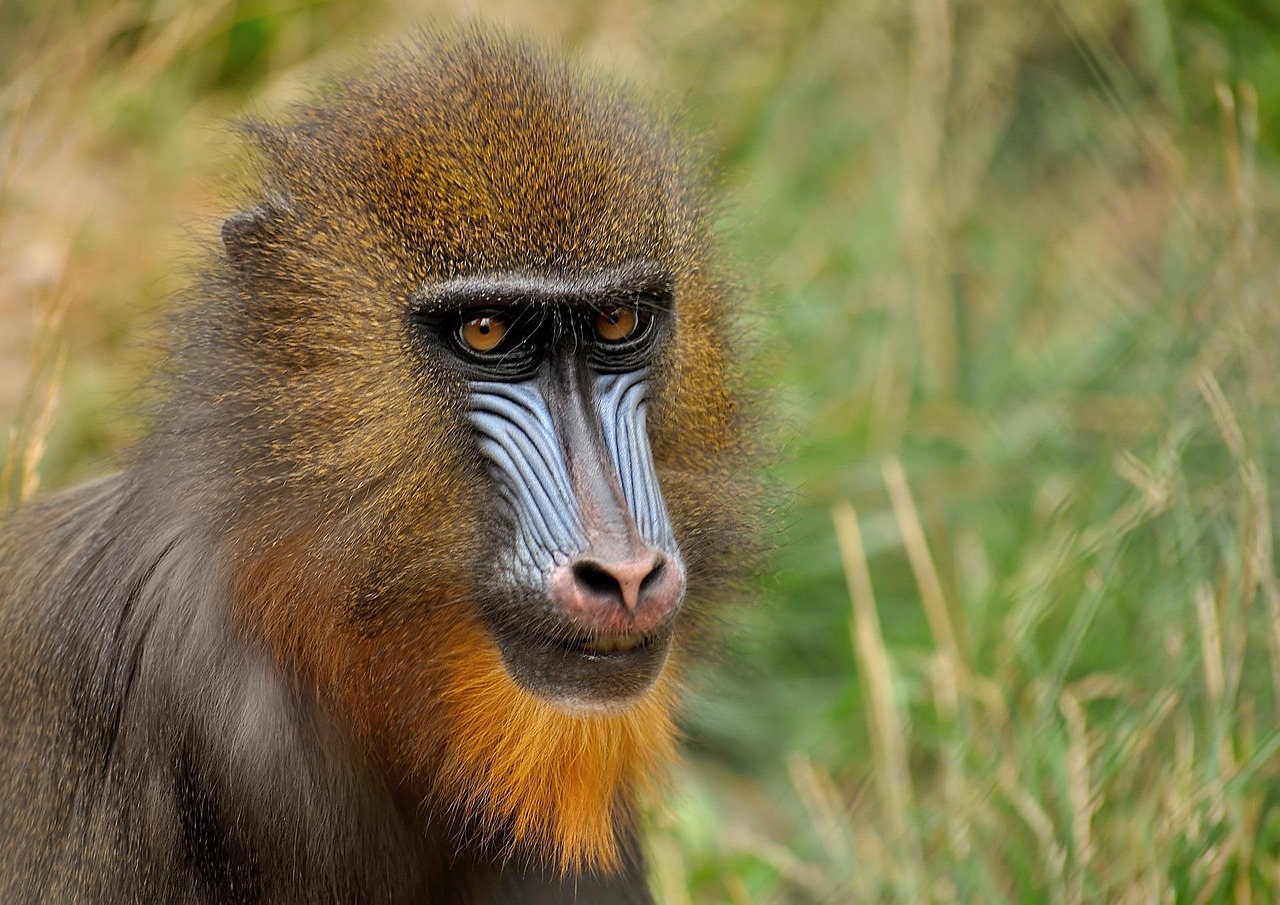
The Legend of Sun Wukong: The Monkey King Overview Sun Wukong, often referred to as the Monkey King in Chinese mythology, is a prominent trickster deity, notably featured in Wu Cheng’en’s classic novel Journey to the West. Wukong boasts incredible superhuman strength and possesses the extraordinary ability to transform into 72 different creatures and items.…